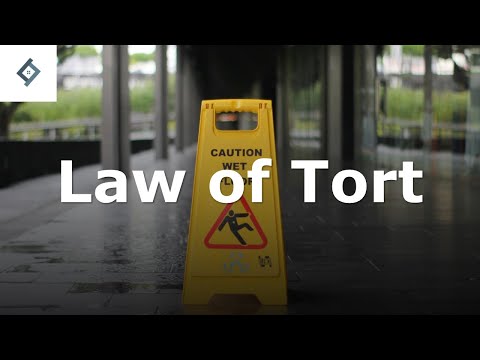
You know what’s wild? Just the other day, my mate slipped on a wet floor at a café. Like, he was totally fine, but it got me thinking about how often we ignore tort law in our daily lives. Seriously, it’s everywhere!
Tort law is all about holding people accountable when they mess up and cause harm. But, it’s not just for big corporations or dramatic court cases. Real life examples pop up all the time around us.
The information on this site is provided for general informational and educational purposes only. It does not constitute legal advice and does not create a solicitor-client or barrister-client relationship. For specific legal guidance, you should consult with a qualified solicitor or barrister, or refer to official sources such as the UK Ministry of Justice. Use of this content is at your own risk. This website and its authors assume no responsibility or liability for any loss, damage, or consequences arising from the use or interpretation of the information provided, to the fullest extent permitted under UK law.
Ever had someone back into your car? Or maybe you’ve seen a story about a dodgy product hurting someone? Those annoying situations are classic examples of tort law in action.
So stick around! We’re diving into some real-life scenarios that show just how this legal stuff affects us everyday. You might just find out something you didn’t know!
Understanding Tort Law in the UK: Key Principles and Implications
Tort law in the UK is all about holding people or organizations accountable when they cause harm. You know, accidents happen, but when someone’s careless behavior leads to injury or loss, the law steps in. Think of it like a safety net for everyone.
What are Torts? Well, a tort is basically a civil wrong. It’s not a crime, but it can lead to someone paying for damages. There are three major types of torts: negligence, intentional torts, and strict liability. Let’s break them down a bit.
- Negligence: This is the most common type. It happens when someone fails to take reasonable care and that leads to someone getting hurt. For instance, imagine you slip on ice outside a shop because they didn’t put up any warning signs. If you can show they were negligent, you might be able to claim damages.
- Intentional Torts: These are when someone deliberately causes harm. Like if someone hits you during an argument—that’s not just bad manners; it could be battery under tort law.
- Strict Liability: This is about being responsible regardless of intention or negligence. For example, if a company’s defective product hurts you, they could be held liable even if they were careful in making it.
Now, let’s get into some real-life examples because that makes things clearer.
Imagine you’re shopping at your local supermarket. You’re minding your own business when suddenly—you slip on a spilled drink that wasn’t cleaned up properly! Ouch! If you get hurt and it turns out the store knew about the spill but did nothing, that’s negligence right there. You might have grounds to sue for your injuries.
Or picture this: you’re at a party and someone throws a drink at another guest out of anger—bam! That could be considered an intentional tort like assault or battery because they aimed to harm someone.
Then there’s strict liability, which often pops up in product cases. Let’s say you buy a toy that has small parts which aren’t properly labeled as choking hazards and your child ends up getting hurt. The manufacturer might face strict liability claims even if they thought their product was totally safe.
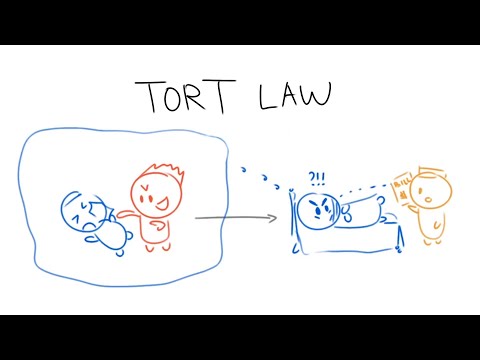
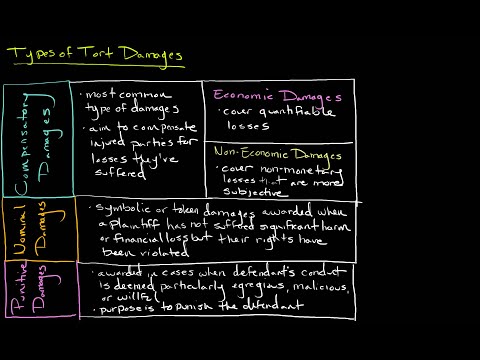
Tort law helps ensure that people take responsibility for their actions—so the person who caused harm has to compensate the victim for damages like medical bills or lost wages.
Now here’s where it gets interesting: proving these cases isn’t always straightforward. You need evidence! Sometimes it’s just not enough for something bad to have happened; you have to connect those dots back to negligence or harmful intent.
So what are the implications? Well, tort law isn’t just about money; it’s also about justice and accountability in society. When people know they could get sued for being careless or intentional wrongdoers? They often think twice before acting recklessly.
In short, understanding tort law gives us insight into how we navigate everyday life while protecting ourselves from the actions of others that could lead to harm—be it physical injury or financial loss—and encourages everyone to act responsibly!
Exploring the Most Notable Case in Tort Law: A Deep Dive into Legal History
Tort law is all about a wrong done to someone that isn’t covered by contract law. It could be anything from personal injury to defamation. One of the most notable cases in this area is the **Donoghue v. Stevenson** case from 1932. You might have heard of it, and for good reason! It’s like the foundation stone of modern tort law.
So, here’s the deal: The case revolved around a woman named May Donoghue who went to a café in Paisley, Scotland. She ordered a ginger beer which was served in an opaque bottle. After drinking some, she found a decomposed snail floating around in it! Yikes, right? Naturally, she fell ill and felt pretty miserable.
Now, what makes this case stand out is that Donoghue didn’t buy the drink herself; a friend did. So, she couldn’t sue the cafe owner for breach of contract because there wasn’t one directly between them. Instead, she took her claim against the manufacturer, Mr. Stevenson.
Here’s where things get interesting! The court had to figure out if there was a **duty of care** owed by Mr. Stevenson to Donoghue despite her not being the direct buyer. In essence, could someone be held responsible for not ensuring their product was safe for consumers?
The judges came up with what we might call “the neighbour principle.” Lord Atkin famously said you must take reasonable care to avoid acts or omissions which you can reasonably foresee would likely injure your neighbor—meaning anyone who might be directly affected by your actions.
This principle has shaped tort law ever since and laid down criteria for establishing negligence claims too! So if you’re ever wondering why companies need quality control or why you see those warning labels everywhere? Yup, this case played a huge role.
In terms of other notable tort cases that followed in its footsteps:
- Caparo Industries plc v. Dickman (1990): This case refined the concepts of duty of care even more.
- Bolam v. Friern Hospital Management Committee (1957): Here we saw how medical professionals are judged against standards commonly accepted in their field.
- Walters v. North Glamorgan NHS Trust (2002): This highlighted emotional distress as part of negligence claims.
The impact of Donoghue v. Stevenson really can’t be overstated; it opened doors for countless claims in tort law across various contexts—from accidents to misleading advertisements and everything in between. If you think about it, tort law helps hold people accountable when they harm others through negligence or intentional wrongdoing.
So next time you’re enjoying a fizzy drink (as long as it’s snail-free!), remember May Donoghue and how her rather unfortunate experience changed the legal landscape forever! That’s some serious legal history right there!
Understanding UK Law: A Clear Example and Its Implications
So, let’s chat about tort law in the UK. This area of law is super interesting because it deals with situations where someone’s actions cause harm to another person. If you’ve ever tripped on a sidewalk or had a spilled drink ruin your phone, you might have brushed against tort law without even realizing it!
Basically, when we talk about tort law, we’re looking at three main things: negligence, intentional torts, and strict liability. Each type has its own quirks.
First up is **negligence**. This is when someone doesn’t act with the level of care that a reasonable person would in a similar situation. Imagine you’re walking down the street, and you slip on a wet floor outside a shop because the owner didn’t put up a warning sign. Here, the shop owner could be seen as negligent for not taking necessary precautions to keep customers safe. They should have cleared the wetness or at least alerted people.
Then there’s **intentional torts**. These are actions done deliberately to harm someone—think of things like assault or defamation. If someone spreads lies about you that damage your reputation, that falls under intentional torts. It’s like a game gone wrong; your buddy didn’t just mess up but actively chose to hurt you.
Now let’s touch on **strict liability**. This means that someone can be held responsible for damages regardless of fault or intention. It often comes into play with things like owning dangerous pets or operating hazardous materials. Say, for example, your pet snake escapes and frightens your neighbor; even if you took all precautions possible, you’re still liable for any distress caused.
But what do these examples mean in real life? Well, there are implications all around us:
- Lawsuits: You might see people suing after accidents—this is where tort law shines.
- Insurance: Insurance companies often deal with claims stemming from negligence cases.
- Accountability: Tort law encourages people to act responsibly—it pushes individuals and businesses to consider how their actions affect others.
Here’s an emotional twist: picture this—you’re out having dinner with friends and suddenly one of them slips on spilled food at the restaurant because staff were inattentive. It could lead to broken bones and hospital visits! The restaurant might face a lawsuit not only from your friend but also from insurance claims—so everyone feels the impact.
Understanding these elements helps us navigate daily life better because we know what’s expected of us and what our rights are if something goes wrong. So next time you’re walking down that slippery sidewalk or hear gossip swirling about an acquaintance, you’ll have a clearer view of how tort law plays into our interactions!
Tort law, huh? It’s not the most exciting topic on the surface, but it can get pretty interesting when you think about real-life situations. Basically, tort law deals with civil wrongs—like when someone gets harmed and wants to claim damages. You know, it’s all about ensuring people take responsibility for their actions.
Think about a scenario: you’re walking down the street, minding your own business. Suddenly, a car speeds around the corner and splashes muddy water all over you. Now you’re soaked and irritated! In this case, you could argue that the driver was negligent. If you decided to take it to court, that would fall under tort law—specifically negligence.
Now let’s chat about something more serious. There was a well-publicized case involving a woman who slipped on a wet floor in a supermarket. This wasn’t just any slip; she ended up breaking her leg! The store didn’t have proper signage up to warn customers about the hazard. So, guess what? She took them to court and claimed damages for her injuries. In this situation, tort law helped her seek compensation for her pain and suffering.
And here’s where it gets emotional—imagine someone being hurt due to someone else’s reckless behaviour; maybe even in an auto accident because one driver decided to ignore traffic lights. The injured party could file a claim against the reckless driver for personal injury as well as other damages like lost income or medical expenses.
It’s fascinating how tort law can not only help individuals find justice but also encourage businesses and individuals to behave more responsibly. Every time someone wins their case in these scenarios, it sends a message that actions have consequences—not just for them but for others too.
So yeah, even if tort law sounds dry at first glance, think about what it means in real life: protecting your rights when something goes wrong because of someone else’s carelessness or malicious intent, ensuring fairness in our everyday interactions. It’s kind of comforting knowing there are legal tools out there ready to step in when things get messy!