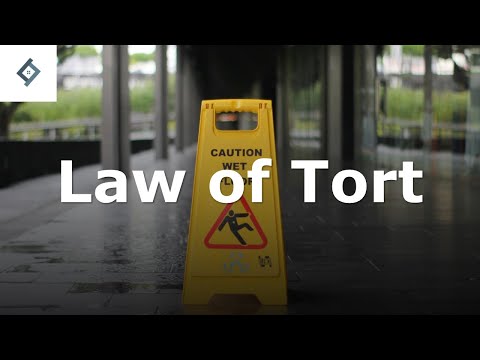
You know that feeling when you slip on a wet floor and your first thought is, “Ouch, that’s gonna leave a mark!”? Well, that’s kinda how tort law works!
It’s the part of law that deals with those annoying moments in life, the ones where someone else’s carelessness leaves you saying “seriously?!” Imagine getting hurt because of someone else’s mistake. Tort law is here to help you figure out if you deserve compensation for that.
The information on this site is provided for general informational and educational purposes only. It does not constitute legal advice and does not create a solicitor-client or barrister-client relationship. For specific legal guidance, you should consult with a qualified solicitor or barrister, or refer to official sources such as the UK Ministry of Justice. Use of this content is at your own risk. This website and its authors assume no responsibility or liability for any loss, damage, or consequences arising from the use or interpretation of the information provided, to the fullest extent permitted under UK law.
In this chat with Kirsty Horsey, we’re diving into the world of torts—sounds fancy, but trust me, it’s all about real-life stuff you can relate to. Get comfy as we unpack important legal concepts in a way that’s easy to grasp.
So grab a cuppa and let’s explore tort law together!
Understanding the Law of Tort in the UK: Key Concepts and Implications
The law of tort in the UK is, you know, a pretty interesting area that deals with civil wrongs. Basically, it’s about when one person causes harm to another and what happens next. You need to understand some key concepts here.
Tort Law encompasses various types of civil wrongs. The main aim is to provide relief to individuals harmed by the wrongful acts of others. So when we talk about torts, we’re really diving into how people can seek compensation for wrongs done to them without involving criminal law.
One fundamental idea is negligence. You’ve probably heard this term before. It refers to a situation where someone fails to take reasonable care, resulting in harm to someone else. Think about a slip and fall accident at a supermarket because of spilled milk that wasn’t cleaned up—you get the drift, right? If the supermarket didn’t act when they should have, they could be liable for negligence.
Then there’s defamation. This one’s all about reputation. If you say something untrue that damages someone else’s reputation, that can lead to a defamation claim. For example, if Bob spreads false rumors about Alice being dishonest at work, Alice might have grounds for a defamation case against him.
Another important concept is strict liability. This means you might be held responsible for harm caused even if you weren’t negligent! Think about owning a dangerous animal—if it bites someone, you could be liable regardless of whether you were careful or not.
Now let’s touch on vicarious liability. This is where an employer can be held liable for the actions of their employees if those actions occur during their employment. If an employee accidentally damages property while doing their job, the employer might end up paying for it.
But don’t forget about statutory torts. Sometimes laws create specific duties that can lead to liability if breached. For instance, if a landlord fails to maintain the property properly and someone gets injured because of it, they may face legal action under statutory obligations.
Now, talking implications—if you’re ever involved in a tort case or thinking about filing one yourself, understanding these concepts can really make a difference in how your case plays out. The courts will weigh factors like duty of care and breach very seriously!
In summary, tort law in the UK is not just some dry legal jargon; it’s there to protect people’s rights when they’ve been wronged by others’ actions or negligence. Keeping these key ideas in mind can help you navigate through any potential legal issues you might face down the road! So next time you’re dealing with something like an injury or property damage caused by someone else’s actions, remember these principles; they could be your best friend in court!
Understanding the Four Essential Elements of Tort Law: A Comprehensive Overview
Tort law can sound a bit complex, but at its heart, it’s about protecting people’s rights and helping them get compensation when someone else causes them harm. There are four essential elements that help determine if a tort has occurred. Let’s break it down.
First up is duty of care. This means that one person (the defendant) has a legal duty to act in a way that doesn’t harm others. It’s like how drivers owe it to other road users to drive safely. If you think about it, we all have a responsibility to each other in various situations.
Next is breach of duty. This happens when the person fails to meet their duty of care. For instance, if a driver speeds through a red light and crashes into another car, they’ve breached their duty to drive safely. It’s all about recognizing what the standard expectation is and then seeing if that was violated.
Then comes causation. This element looks at whether the breach of duty directly caused the harm or injury. Imagine you slip on a wet floor in a store with no warning sign; if that’s because of the store’s negligence (like not putting out precautions), they might be held liable because their actions (or lack thereof) led to your fall.
Finally, we have damages. Even if you prove duty, breach, and causation, you still need to show that you’ve suffered some kind of loss due to the incident. This can be physical injury, emotional distress, or financial loss—like medical bills from your fall or time off work.
So basically, for someone to win a tort claim in court, they need all four pieces: duty of care, breach of that duty, causation linking the two together, and damages resulting from the event.
Let’s recap these essential elements:
- Duty of Care: Legal responsibility not to cause harm.
- Breach of Duty: Failing to meet those responsibilities.
- Causation: Direct link between breach and harm.
- Damages: Proof of loss suffered due to the incident.
Understanding these elements can really help anyone navigate personal injury claims or any situation where they believe they’ve been wronged by someone else’s actions—or lack thereof! It gives you an idea of what needs proving in court if you’re thinking about pursuing such a case. You see? Tort law is there for you when things go south—making sure people take responsibility for their actions!
Understanding the 5 Key Tort Laws: A Comprehensive Guide
Tort law is one of those things that sounds more complicated than it really is. Here’s the lowdown on five key tort laws that you should know about. Seriously, understanding them can help you navigate various situations in life.
1. Negligence
Alright, so negligence is probably the most well-known tort. It happens when someone fails to take reasonable care to avoid causing injury or loss to another person. Imagine you’re at a shop and slip on a wet floor because the staff didn’t bother putting up a warning sign. If you get hurt, that’s negligence! The shop could be held responsible for your injuries because they didn’t act responsibly.
2. Nuisance
Nuisance is all about unreasonable interference with your enjoyment of property. There are two types: public and private nuisance. Picture this: your neighbor loves throwing loud parties every weekend, keeping you awake at night! You can claim that their noise disrupts your peace, making it a private nuisance.
3. Defamation
Defamation occurs when someone makes false statements that damage another person’s reputation. If someone spreads rumors about you at work and it affects your job, that’s defamation! Remember, for it to count as defamation, the statement has to be false and shared with others—so whispering something to a friend doesn’t count.
4. Trespass
Trespass involves entering someone’s property without permission. Let’s say you’re walking through a park but accidentally wander into someone’s backyard, and they’re not happy about it—bam! You’ve committed trespass! They might have the right to ask you to leave or even take legal action if they feel threatened or harmed.
5. Strict Liability
Now here’s where it gets interesting: strict liability holds someone responsible for damages without needing to prove negligence or fault. Think of dog owners—if your dog bites someone, you’re usually responsible for their injuries no matter what happened leading up to that incident!
Understanding these torts can arm you with knowledge if shit hits the fan down the line; it’s like having an umbrella ready for unexpected showers! Knowing what’s what can make a difference in how situations unfold around you—you follow me? So yeah, being aware of these laws helps protect rights and responsibilities on both sides whether you’re dealing with everyday life stuff or larger legal issues.
Tort law can feel a bit daunting, can’t it? Like, you hear the term and it sounds all legalese and serious. But when you break it down, it’s actually about how we interact with each other and what happens when things go wrong.
I remember a friend of mine once slipped on a wet floor at a café. It was one of those moments that makes your heart race—she fell hard right in front of everyone. Luckily, she wasn’t badly injured, but that incident got me thinking about responsibility and who’s to blame. That’s where tort law comes into play! It helps determine if someone was negligent—like if the café didn’t clean up properly or didn’t put up warning signs.
Now, Kirsty Horsey is someone who really brings tort law to life in the UK context. She makes it relatable, shedding light on how these laws affect everyday situations. Like how individuals can seek compensation if they’ve been harmed due to someone else’s actions or negligence. That connection really matters because it shows how legal matters aren’t just for lawyers in suits—they impact real lives.
When we talk about torts, you’re looking at things like negligence—that’s the area my friend’s fall would fit into—or defamation, where someone’s reputation might be at stake. There’s so much depth here! And Kirsty’s insights help clarify those murky waters so you can better understand your rights.
In the end, tort law isn’t just about legal jargon; it’s a way of making sense of our relationships and responsibilities to one another. Just think about those times when something goes awry—understanding this stuff can empower you to know your rights and stand up for yourself if need be!