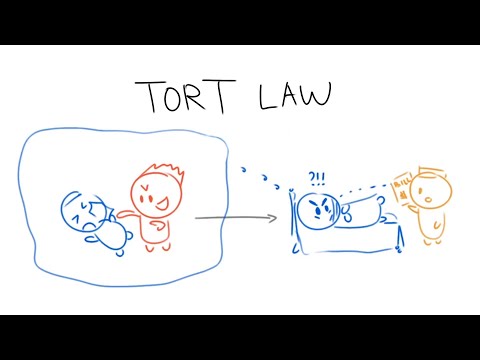
Imagine you’re at a crowded pub, and suddenly someone shoves you for no good reason. You might be thinking, “What the heck was that about?” Well, turns out, that shove could actually be called assault in legal terms. Who knew?
Assault isn’t just about getting punched in the face. It’s more like a jumpy little cousin of battery. If someone puts you in fear of harm, that’s where the fun starts—or not!
The information on this site is provided for general informational and educational purposes only. It does not constitute legal advice and does not create a solicitor-client or barrister-client relationship. For specific legal guidance, you should consult with a qualified solicitor or barrister, or refer to official sources such as the UK Ministry of Justice. Use of this content is at your own risk. This website and its authors assume no responsibility or liability for any loss, damage, or consequences arising from the use or interpretation of the information provided, to the fullest extent permitted under UK law.
So, let’s break it down together. We’ll talk through what assault means in tort law and why it really matters when things get heated. You might be surprised at how it all works!
Understanding Assault in Tort Law: Key Concepts and Implications
Assault in tort law is something many people might not think about until it directly affects them. So let’s break it down, shall we?
What is Assault?
In legal terms, assault isn’t just about hitting someone. It involves creating a fear of imminent harm. Let’s say you’re out in your neighborhood, and someone comes at you with a raised fist, yelling threats. Now, you haven’t been touched yet, but you’re scared. That feeling of fear is what makes it a potential assault in the eyes of the law.
Key Elements of Assault
There are a few crucial things to keep in mind here:
- Intent: The person committing the assault must have intended to create that fear. They can’t just accidentally scare someone.
- Reasonable Apprehension: The victim has to genuinely believe that harm is about to happen. If the threat seems ridiculous—like someone waving a feather—you probably won’t have a case.
- Immediacy: The threat has to be immediate. No one can claim assault if the threat is vague or far off.
The Difference Between Assault and Battery
Now, don’t mix these two up! Assault is all about the threat; battery, on the other hand, involves actual physical contact. If that person with the fist actually punches you afterward? That’s battery.
Pursuing Legal Action
If you find yourself as a victim of assault, there are steps to take if you want to pursue justice. First off, making sure you report it to the police can be crucial. And if you’re considering civil action for damages (which means you want compensation), documenting everything—from taking photos of injuries to getting witness statements—is super important.
Now let’s talk implications for both parties involved. For victims of assault, emotional scars can linger long after any physical injuries have healed. It can affect relationships and even work life because who wants to walk around feeling unsafe?
On the flip side, those accused of assault might face hefty consequences too—social stigma aside; they could end up with criminal charges or civil liability that can last long term.
In summary, understanding these key aspects of assault in tort law sheds light on how serious this issue really is and why handling it properly matters so much! Whether you’re seeking protection or defending against accusations, knowing your rights and obligations can make all the difference when push comes to shove (figuratively speaking).
Understanding the Three Essential Elements of the Tort of Assault
The tort of assault is one of those legal concepts that can seem a bit murky if you aren’t familiar with it. Basically, it’s all about protecting people from threats of violence. Understanding the three essential elements of the tort of assault can help clarify what this all means in practice.
First off, **an intentional act** is the cornerstone. This means that the person causing the assault must have intended to make someone else fear they’re about to get hurt. It doesn’t have to be anything physical yet—just that action or gesture that suggests harm. Picture this: someone swings their fist at you but stops short. That sudden movement can create panic or fear in you, right? That’s where the intention kicks in.
Next up is **the apprehension of immediate harm**. For it to count as assault, the individual must feel threatened by the action taken against them. This doesn’t mean they have to actually be hit; it’s how they perceive the threat at that very moment. So if someone raises a weapon and you freak out because you think something bad is about to happen, then you’ve experienced assault—even if no actual injury occurs.
Now, let’s not forget about **the absence of consent**. If you willingly put yourself in a situation where harm might happen—like volunteering for a boxing match—you might not be able to claim assault later on. Consent usually covers situations where people engage in risky behaviour knowing full well what could happen.
To wrap this up, when looking at whether an act counts as an assault under tort law, consider these three elements:
- Intentional Act: The person must have intended their actions.
- Apprehension of Harm: The victim must feel like they’re in danger.
- Absence of Consent: The victim didn’t agree to any potential harm.
Understanding these elements helps shine a light on how our legal system protects individuals from threats and ensures we can go about our lives without fearing sudden violence around every corner! It’s pretty wild when you think about how laws are designed just so we can live without constant worry, isn’t it?
Understanding the Key Elements of Assault: A Comprehensive Guide
Assault is one of those legal terms that often gets thrown around, but it’s more than just a physical confrontation. In UK law, it’s a specific type of tort, or wrongful act, that you need to grasp if you want to understand your rights and obligations. Let’s break it down.
So, what exactly is assault? Well, it’s not just about hitting someone. According to the law, assault occurs when one person intentionally causes another to anticipate immediate unlawful force. This means the victim feels threatened with physical harm, even if no actual contact happens. It’s all about the fear or apprehension of being hurt.
Imagine walking down the street and someone raises their fist as if to hit you. Even if they don’t actually touch you, the very act can create a sense of fear that qualifies as assault. That’s how crucial perception is in these cases.
The key elements of assault include:
- Intent: The person causing the threat must have intended to create apprehension or at least should have been aware that their actions would likely cause fear.
- Apprehension: The victim must experience a genuine fear of imminent harm. If you’re not scared at all, it generally won’t count as assault.
- No consent: If both parties agree to engage in some sort of contact—like in sports—this can negate any claim of assault.
You might be wondering about things like accidental acts or playful gestures. Look, if someone bumps into you accidentally while walking by? That’s not assault; it lacks intent and doesn’t cause apprehension. On the flip side, a sudden shove during an argument could count because it makes you feel unsafe.
A common scenario involves physical altercations where one party threatens another without actual physical contact. Let’s say two people are arguing in a pub; one leans in close with clenched fists and shouts threats. That could be considered assault since the other person may feel imminent danger!
If someone commits assault against you, remember that there are legal implications. You could potentially file a lawsuit for damages to recover compensation for any emotional distress or medical bills incurred due to the incident. But it’s important to note that every case is unique! Factors like past relationships between parties can influence outcomes significantly.
In most cases in tort law involving assault, compensatory damages come into play rather than punitive ones unless there’s something particularly egregious about the actions taken.
Understanding these elements can really help clarify situations where you might feel wronged or threatened by another person’s actions. So next time you hear “assault,” think about those intentions and fears behind it—there’s way more going on than just fists flying!
So, assault in tort law is one of those topics that sounds kind of heavy, but it’s really all about our everyday interactions and how we protect ourselves from harm. You know, I remember a time when I was at a friend’s party.Things got heated during a game—I mean, just silly fun! But someone pushed another person a bit too hard, and suddenly it felt different. The tension in the room shifted. Thankfully, no one got hurt physically! But it got me thinking about how easily things can escalate and how the law intervenes to keep things fair.
When we talk about assault in tort law, we’re not just referring to physical violence; it’s more about the threat of harm and creating fear in someone else. Basically, if you make someone reasonably believe they’re about to get hurt—without actually touching them—that can be considered assault. So it’s like the mere act of threatening could potentially lead to legal action. It’s meant to protect people from feeling unsafe.
But there’s something essential to grasp here—context really matters. If you’re playing rugby or engaging in another contact sport, for example, everyone knows there’s an element of risk involved. That doesn’t mean you can go around saying that all tackles are assault; it’s quite the opposite! The law takes social norms into account when deciding these cases.
And then there’s consent to think about. It’s like when friends joke around or playfight; that playful shoving might not be taken as serious because both parties are okay with it—right? But once one person feels uncomfortable or injured, things change dramatically.
The practical implications can get kinda sticky too. If someone claims they’ve been assaulted, they may pursue legal action which could lead to damages being awarded for emotional distress or even financial losses if their day-to-day life is negatively impacted. This means feelings do count legally!
Overall, understanding assault in tort law isn’t just for lawyers; it touches our lives every day more than we realize. It reminds us that while friendly banter is all good and fun, respect for each other’s personal space and safety should always be at the forefront—and that sometimes honesty about our limits goes a long way in preventing misunderstandings or worse situations down the line!