So, picture this: you’re walking down the street, sipping your coffee, when suddenly you trip over a loose paving stone. You spill your drink everywhere. Annoying, right? Well, that little stumble could actually lead us into the world of tort law.
Now, hold on a second! Tort law? What’s that all about? It sounds all serious and stiff, but it’s really just a way to figure out who’s responsible when things go awry. From slips and falls to defamation—there’s a whole lot more to it than just accidents.
The information on this site is provided for general informational and educational purposes only. It does not constitute legal advice and does not create a solicitor-client or barrister-client relationship. For specific legal guidance, you should consult with a qualified solicitor or barrister, or refer to official sources such as the UK Ministry of Justice. Use of this content is at your own risk. This website and its authors assume no responsibility or liability for any loss, damage, or consequences arising from the use or interpretation of the information provided, to the fullest extent permitted under UK law.
It’s kinda like that friend we all know who always has your back. If someone does you wrong—whether intentionally or not—this area of law is here to help you get justice.
So let’s chat about what tort law means in the UK, how it works, and maybe even share some stories along the way. Trust me; it might be more interesting than you think!
Tort Law in the UK: Comprehensive Guide and PDF Resources
Tort law is all about when one person’s actions cause harm to another. In the UK, it covers a variety of situations, and honestly, it can seem a bit overwhelming at first. But don’t worry! Let’s break it down.
What is Tort Law? It’s a branch of law that deals with civil wrongs. This means if someone does something wrong, like causes an accident or shares false information about you, they could be held responsible.
You know how sometimes things just go wrong? That’s where tort law comes in. It helps people seek compensation for injuries or damages suffered due to someone else’s negligence or intentional actions.
So let’s talk about some key areas of tort law:
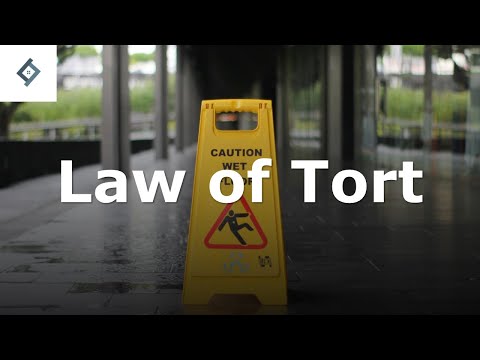
- Negligence: This is probably the most common type. Say you’re walking down the street and slip on a wet floor outside a shop—not great, right? If the shop didn’t put out warnings or failed to clean up properly, they might be liable.
- Defamation: This involves harming someone’s reputation by spreading false information. Imagine if your mate told everyone you cheated on your exam when you didn’t! You could take action against them for defamation.
- Intentional Torts: These are deliberate actions that cause harm. For example, if someone punches you during an argument, that could qualify as an intentional tort.
- Nuisance: This is when someone’s actions interfere with your enjoyment of your property. Like if your neighbour decides to blast music at 2 AM—so annoying!
You might be thinking, “That all sounds fair enough.” But how do you actually go about claiming compensation? Well, it usually starts with collecting evidence—like photos or witness statements—and then possibly filing a claim in court if necessary.
When it comes to proving negligence in cases like those wet floor incidents I mentioned earlier, you generally have to show four things:
1. The person had a duty of care.
2. They breached that duty.
3. Their breach caused the injury.
4. You suffered actual damages because of it.
And here’s where things can get tricky—there’s often something called “contributory negligence.” This means if you did something that contributed to your own injury (like running instead of walking), it might reduce what you can claim.
But let’s not get too bogged down in the nitty-gritty here! If you ever find yourself needing more details on tort law or looking for helpful resources—who doesn’t love a good PDF?—you can often find comprehensive guides online through legal websites and government portals outlining various aspects and case laws related to torts.
In summary, tort law is essential for protecting rights and compensating individuals who suffer due to others’ actions—or lack thereof. It helps maintain fairness in society by providing remedies for wrongs done against individuals. So next time you’re dealt an unfair hand due to someone else’s mistake or malice, remember there are legal avenues available!
Hopefully this gives you a clearer picture without getting too complicated!
Understanding Tort Law: Key Examples and Their Implications
Tort law can seem a bit complicated, but it’s really about understanding how we handle harm or injury caused by one person to another. You know, if someone does something careless or wrong that ends up hurting you, tort law steps in. It’s all about those situations where someone might owe you compensation for the trouble they caused.
What is Tort Law?
So, tort law is basically a branch of civil law that deals with wrongs and injuries that aren’t criminal. Instead of facing jail time, the person who caused harm might have to pay for damages. Think of it like balancing the scales—if someone gets hurt because of you, the law tries to make it right.
Key Types of Torts
There are three main categories you should know:
- Negligence: This is when someone fails to take proper care and causes harm. For example, if a driver isn’t paying attention at a red light and hits a pedestrian, that’s negligence.
- Intentional Torts: These involve deliberate actions meant to harm someone. Imagine if a person purposely spreads false rumors about you; that’s an intentional tort called defamation.
- Strict Liability: This type doesn’t even consider intent or negligence. If you own a pet tiger and it injures someone, you’re responsible no matter what precautions you took.
A Classic Example: Negligence
Let’s get into some examples! Picture this: You’re walking in a store when suddenly you slip on spilled juice that wasn’t cleaned up. Here’s where negligence comes in—the store owner has a duty to keep their business safe for customers. If they failed to clean up the spill in time and you got hurt from slipping, they might owe you for your medical bills or lost wages.
The Implications of Tort Law
Now, let’s talk implications. When someone wins a tort case, they may receive compensatory damages. That means they could get money back for their pain and suffering or any financial loss caused by the injury.
But there’s also something called punitive damages. These aren’t just about compensating the victim; they’re meant to punish the wrongdoer and deter others from similar behavior—like when someone’s actions are really reckless.
Oh! And there’s this thing known as contributory negligence. This means if you’re partly responsible for your own injury—like tripping while texting—you might not get as much compensation as you’d hoped.
The Importance of Legal Representation
Navigating tort law can be tricky, especially when you’re trying to figure out who’s at fault. Getting legal advice can really help clear things up! It can be tough proving negligence or intentional wrongdoing without some solid guidance.
In short, understanding tort law is more than just knowing what happens when someone gets hurt; it’s about recognising our rights and responsibilities within the community. If everyone keeps this in mind while going about their daily lives—whether driving or being social—we could all help create a safer environment for each other!
So next time something goes wrong and you’re wondering what your options are, think back on these principles of tort law—it might just shed some light on how best to move forward.
Understanding the Three Main Categories of Torts in Law
Torts can feel a bit complicated at first, but breaking it down helps. In UK law, torts are basically wrongs that cause harm or loss to someone. They’re not criminal acts but can lead to civil lawsuits. Alright, let’s jump into the three main categories of torts.
1. Negligence
Negligence is probably the most common type of tort you’ll hear about. It’s all about failing to take reasonable care, which ends up causing harm to someone else. Picture this: imagine a busy café where the owner doesn’t clean up spilled coffee. Someone slips and injures themselves. The café owner could be held liable for negligence because they didn’t take proper steps to prevent that accident.
- Duty of Care: You have a responsibility to avoid harming others.
- Breach of Duty: If you fail in that responsibility, it’s a breach.
- Causation: The harm must be directly linked to that breach.
Negligence cases can get pretty weighty, often involving personal injury claims in cases like road traffic accidents or medical malpractice.
2. Intentional Torts
Now, intentional torts are when someone purposely causes harm or loss to another person. It’s all about intention here! Think about assault or battery; these actions aren’t just accidents—they’re deliberate.
- Assault: Threatening someone with physical harm.
- Battery: Actually causing physical contact.
- Trespass: Entering someone’s property without permission.
A classic example? Imagine someone throwing a drink in another person’s face during an argument—that’s battery and quite possibly an intentional tort.
3. Strict Liability Torts
Strict liability is a bit different from negligence and intentional torts because it doesn’t matter if there was intent or negligence involved; if something goes wrong, you’re still held responsible. This usually applies in situations involving inherently dangerous activities or defective products.
- Dangerous Activities: If you’re handling explosives and something blows up accidentally, you could be liable regardless of how careful you were.
- Product Liability: If someone gets harmed by a faulty product you manufactured, it’s on you—no need to prove negligence.
So let’s say you were selling fireworks and one explodes unexpectedly without any warning—people could file claims against you under strict liability rules!
In essence, understanding these categories helps clarify how tort law functions in the UK legal landscape. Negligence revolves around carelessness, intentional torts involve purposeful actions causing harm, and strict liability holds people accountable regardless of intent when certain risks are involved.
So yeah, now you have a clearer picture of these main categories! Tort law is all about ensuring fairness when someone’s rights are violated or they’re harmed due to another’s actions—or lack thereof!
Navigating tort law in the UK can feel a bit like trying to solve a puzzle with missing pieces. You know, it’s all about how we interact with each other and what happens when things go sideways. It’s about responsibilities, and what happens when someone fails to meet them.
Let’s say you’re out for a stroll when you trip over an uneven pavement. Ouch! You hurt your ankle, right? Well, that incident might lead you to wonder if the local council is responsible for not keeping the pavement safe. That’s where tort law comes into play. It’s all about figuring out if someone’s negligence caused your injury and whether you deserve compensation.
Tort law covers a bunch of issues – from personal injury accidents to defamation and even nuisance cases. Seriously, it can get pretty complex! But at its core, it revolves around the idea of liability—who should be held accountable for damages or harm caused to another person.
Now, imagine a friend who once slipped on a wet floor in a shop. She was really shaken up about it, feeling embarrassed and frustrated. She didn’t just walk away; she sought advice on whether she could claim damages. That experience shines light on how tort law isn’t just black and white; it’s often personal too. The emotional impact of an accident can be significant, which is why having a solid understanding of these laws feels crucial.
Plus, there are different types of torts like intentional ones such as assault or battery and unintentional ones like negligence. If someone deliberately harms you—that’s one thing—but if they simply didn’t take care when they should have—that falls under negligence.
So, navigating this legal landscape means more than just knowing laws; it involves understanding human interactions and the consequences that come from our actions—or lack thereof. And while it might seem daunting at first glance with all its intricate details and legal jargon, at its heart lies empathy—what we owe each other in terms of safety and respect.
It’s kind of comforting to know that there are laws meant to protect us from each other’s slips—literal or figurative! Whether you’re dealing with minor incidents or major disputes, being aware of your rights can help you stand tall when things go wrong and ensure that fairness prevails in our everyday lives.