
You know that feeling when you’re just chilling at home, and suddenly, your neighbor’s old tree falls on your fence? Yeah, not a great day, right? Well, believe it or not, this kind of stuff is what kicked off some major changes in the law.
Let’s chat about a legendary case from way back in 1868 that still pops up in law classes today: Rylands v Fletcher. It’s like the crazy cousin of tort law—full of unexpected twists and turns!
The information on this site is provided for general informational and educational purposes only. It does not constitute legal advice and does not create a solicitor-client or barrister-client relationship. For specific legal guidance, you should consult with a qualified solicitor or barrister, or refer to official sources such as the UK Ministry of Justice. Use of this content is at your own risk. This website and its authors assume no responsibility or liability for any loss, damage, or consequences arising from the use or interpretation of the information provided, to the fullest extent permitted under UK law.
Basically, it all started with some industrial antics and a flooded coal mine. Sounds wild? It gets better. This case shook up how we think about liability when things go wrong with our property. So buckle up, because we’re diving into a story that changed the legal landscape forever!
Understanding the Importance of the Rylands v Fletcher Case: Key Insights and Implications
The case of Rylands v Fletcher is one of those landmark moments in tort law that, honestly, changed the way we think about liability. It dates back to 1868 and involves a pretty interesting story. Basically, a mill owner named Fletcher had a steam engine setup that caused some trouble for his neighbor, Rylands.
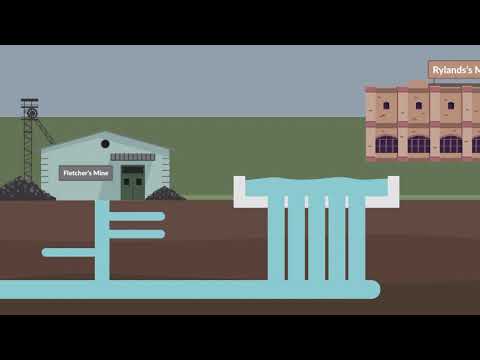
So, here’s the deal: Fletcher owned a coal mine and decided to build a reservoir. During construction, water leaked into the mine shafts below, flooding them and causing major damage. Rylands wasn’t directly responsible for the construction but was still held liable for that disaster. This case set a precedent in tort law regarding “strict liability,” which means someone can be held responsible for damages without any need to prove negligence.
Now let’s break it down a bit more with some key insights and implications:
- Strict Liability: The ruling established that if you bring onto your property something likely to cause harm if it escapes (like water or chemicals), you’re responsible for any damage it does.
- No Need for Negligence: In most cases of tort law, you have to prove that someone was negligent or careless. But with Rylands v Fletcher, it doesn’t matter if you were careful or not; if something dangerous escapes your control, you might be in trouble.
- Encouraging Responsible Behavior: This case encourages people to act cautiously when dealing with hazardous materials or operations. You know how some folks might think they can take risks without consequences? Well, this kind of ruling keeps them on their toes!
- Limitations: Not every situation falls under this ruling. If the escape is due to an “act of God” or something entirely outside anyone’s control—like a natural disaster—the owner isn’t typically held liable.
- Modern Applications: Today, this principle still pops up in various scenarios like environmental pollution cases or when discussing things like chemicals leaking from factories.
To wrap it all up: Rylands v Fletcher effectively shows how important it is for individuals and companies alike to consider their impact on their surroundings. A careless move could lead to serious financial repercussions! Just think about it; imagine someone promising they’ll build a big pond but not thinking through what happens if it floods your backyard—seriously inconvenient!
So yeah, understanding these principles helps keep everyone accountable while safeguarding our community interests!
Understanding the Court That Heard Rylands v Fletcher: Key Insights and Historical Context
The case of Rylands v Fletcher is a big deal in tort law and sits at the heart of the principle of strict liability. This landmark judgment came from the House of Lords back in 1868, which was the highest court in the UK at that time. It’s fascinating to explore how this case shaped legal principles we still talk about today.
So, here’s the deal: Rylands was a landowner who built a reservoir on his property. But what happened next? His reservoir burst, flooding Fletcher’s coal mine next door. Fletcher, understandably upset, took Rylands to court for damages. The issue? Was Rylands responsible for the damage caused by something that was naturally out of his control?
The ruling laid down some key points about liability. The judges decided that if you bring something dangerous onto your land—and it causes harm—you’re liable for any damage that follows. They emphasized that it didn’t matter if you were careful or not; if it harms someone else, you could be held responsible.
Here are some important insights from the case:
- Strict Liability: This principle means you can be held accountable even if you weren’t negligent.
- The “Non-Natural Use” Test: The court indicated that using land in a way not common or natural raises liability issues.
- The Historical Context: The Victorian era saw rapid industrialization in Britain, leading to numerous cases involving land use and environmental impact.
Imagine living back then when industrial advancements were changing communities overnight! People were trying to balance progress with property rights and safety. This case stood as a response to those challenges.
Another layer worth mentioning is how this ruling influenced later cases across different scenarios—from environmental issues to construction accidents. Legal scholars often refer back to Rylands v Fletcher as a springboard for developing further concepts related to tort law.
Over time, strict liability has evolved but still holds relevance today. If an industrial site poses risks to surrounding properties and something goes wrong, affected parties may seek compensation based on principles established by Rylands v Fletcher.
In summary, this case didn’t just resolve one dispute; it opened up discussions about responsibility and safety when dealing with potentially hazardous activities on your own land. It’s an essential part of understanding how our legal framework surrounding liability has developed over time.
Understanding the Defenses Available in Rylands v Fletcher Cases: A Comprehensive Guide
Sure, let’s dig into Rylands v Fletcher and the defenses that can come into play. This case is a really important touchstone in tort law, which deals with civil wrongs and liabilities. It basically established the idea of strict liability for certain types of hazardous activities.
So, what’s the essence of **Rylands v Fletcher**? Well, back in 1868, the case involved a coal mine owner (Fletcher) who suffered damage when water from a reservoir built by his neighbor (Rylands) flooded his mine. The court decided that Rylands was responsible for the damage caused by his reservoir—basically saying if you bring something dangerous onto your land and it escapes, you’re liable for any damages caused.
Now, moving onto **defenses**—there are a few ways someone could argue against liability in these cases:
- Act of God: If an unusual natural event occurs that couldn’t have been predicted or controlled, this may be a defense. For example, if there was an unprecedented flood that caused your reservoir to overflow unexpectedly.
- Consent: If the claimant agreed to take on the risk somehow—like if they borrowed some equipment from you knowing full well it might malfunction—then they might not be able to claim damages.
- Fault of the Claimant: Sometimes, if the person claiming damages did something to contribute to their own loss, then they could be found at fault. For instance, if Fletcher ignored warning signs about potential flooding.
- Pursuit of an Unlawful Act: If your activity was illegal or not properly licensed and resulted in damage to another party, you might not be able to rely on defenses as easily.
In practice, think about how these defenses can play out. Let’s say someone builds a big pond on their property and during a storm it floods their neighbor’s garden. If that storm was way beyond what anyone could have anticipated—a real freak occurrence—the pond owner might just argue “look, this was an act of God.”
It’s pretty fascinating how these defenses can shift the responsibility around. They make you consider all sorts of angles before jumping into conclusions about liability. So when dealing with cases like Rylands v Fletcher or similar scenarios today, it’s essential to think critically about those possible defenses!
Remember though—it all really boils down to what happened in each circumstance. Every detail counts and courts often take a close look at the evidence and arguments presented. So yeah, while strict liability seems straightforward as laid out in Rylands v Fletcher, these defenses add layers that can change outcomes dramatically!
Rylands v Fletcher is one of those cases that really changed the game in tort law. It’s interesting how a single incident can ripple through the legal world, isn’t it? This case, decided way back in 1868, introduced the concept of strict liability. Basically, it says that if you bring something onto your land and it causes harm—well, you might be held responsible for that damage.
Now, picture this: Imagine someone has a beautiful little cottage by a serene pond. Everything’s peaceful until a mine beneath the ground gives way because of nearby construction work. Suddenly, water floods the cottage! That’s exactly what happened in this case—someone’s action caused a big mess for another. Rylands had built a reservoir on his land, and when it burst, it flooded Fletcher’s coal mine. The court decided that even though Rylands hadn’t been negligent per se, he was still responsible for what happened.
What’s fascinating here is the idea of “strict liability.” It adds an element of fairness to situations where harm occurs due to activities deemed inherently risky. You see, sometimes people don’t necessarily act unwisely; they just undertake activities that could lead to disaster—like hosting huge gatherings or building big reservoirs! This case made it clear: if you invite risk into your life, you also invite responsibility.
I remember chatting with a friend who works in environmental law; she often brings up Rylands v Fletcher when discussing industrial projects and their impacts on local communities. The way she talks about it makes me realize just how relevant this case still is today. It feels like every time we discuss environmental issues or corporate responsibility, we’re echoing back to those principles laid out all those years ago.
So yeah, looking back at Rylands v Fletcher reminds us how crucial legal principles evolve over time as society grows and changes. It turned out to be not just about one flood or one damaged mine but about establishing broader concepts of accountability that still shape our interactions today. Isn’t it amazing how these historical instances still have real-life implications?


