
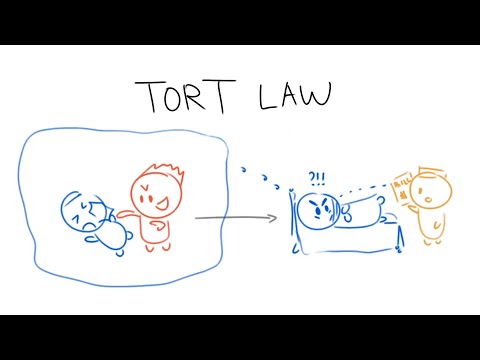
Okay, picture this: You and your mates are planning a surprise party for a friend. You’re all conspirators in this secret mission, right? Now, imagine if someone—let’s say it’s Tim—decides to spill the beans. You’d be pretty mad!
But here’s the twist. In law, there’s something called the Tort of Conspiracy that looks at these sneaky acts of collusion. It’s not just about surprise parties, though; it’s way deeper than that! This legal concept can actually have some serious implications.
The information on this site is provided for general informational and educational purposes only. It does not constitute legal advice and does not create a solicitor-client or barrister-client relationship. For specific legal guidance, you should consult with a qualified solicitor or barrister, or refer to official sources such as the UK Ministry of Justice. Use of this content is at your own risk. This website and its authors assume no responsibility or liability for any loss, damage, or consequences arising from the use or interpretation of the information provided, to the fullest extent permitted under UK law.
So, what’s the deal with conspiracy in UK law? Why does it matter to you? Well, grab a cuppa and let’s chat about what it all means and how it affects people like us in everyday life.
Understanding Unlawful Means Conspiracy: Key Concepts and Legal Implications
Understanding unlawful means conspiracy is like peeling back layers of a complicated onion. You’ve got to grasp the fundamentals before you can see the whole picture, you know? In UK law, this concept falls under the broader category of torts, specifically the **tort of conspiracy**. So, what is it exactly?
Unlawful means conspiracy refers to an agreement between two or more people to use unlawful methods in order to harm another party or interfere with their business or legal rights. The key here is that those involved are not just conspiring; they’re doing it with *unlawful* means. It’s not enough to just think about harming someone; it’s about taking action that breaks the law.
Now, let’s break down some key concepts for clarity:
- Agreement: There must be a clear agreement between at least two parties. This doesn’t mean they need to sign a contract or anything formal—it’s just understanding that they’re in on it together.
- Unlawful Means: The actions taken must be illegal. This can range from fraud to intimidation. Basically, you can’t use legal ways to conspire against someone; it has to be against the law.
- Intent: The parties involved have to intend for their actions to cause some form of damage or harm. They can’t just be accidentally causing mischief and expect this claim to stick.
- Causation: You also need to show that those actions led directly to some sort of loss or injury for the victim. If there’s no hard evidence showing this connection, it may fall flat.
So, what kind of stuff might fall under this? Imagine you and a friend are planning on sabotaging a competitor’s business by spreading false information about them online. That’s unlawful means conspiracy—you’re using illegal tactics (defamation) as part of your plan.
But here’s where things get tricky: even if someone didn’t directly participate in the actual unlawful action but was aware and encouraged it, they could still be implicated in the conspiracy! It raises so many questions about responsibility and intention.
Legal implications can be pretty serious too. If you’re found liable for unlawful means conspiracy, you’re not just looking at civil damages—you might face criminal charges too if laws were broken in your scheme! It can seriously derail your life.
Here’s a quick tale: Think of a small café owner who suddenly finds his customers dwindling because competitors are spreading nasty rumors about his hygiene standards without any evidence. He discovers two competitors were working together behind his back—this could easily lead him to consider an unlawful means conspiracy claim against them.
In essence, although this area of law can feel overwhelming, it boils down to understanding how people might join forces unlawfully against another and what that really means legally. Each situation will have its own twists and turns, but keeping these concepts in mind helps clarify where you stand if you ever find yourself caught up in such issues!
Exploring Damages in Unlawful Means Conspiracy: Legal Insights and Implications
As you may know, unlawful means conspiracy is a type of tort in UK law. It involves two or more people agreeing to commit an unlawful act to harm another party. This can lead to some serious legal consequences, especially when it comes to claiming damages.
So, what are damages? In legal terms, damages are basically compensation you can seek if someone else’s actions have caused you harm. When it comes to unlawful means conspiracy, the person who suffers as a result can claim for various kinds of damages.
Types of Damages
- Compensatory Damages: These are meant to cover the actual loss you’ve suffered. For instance, if your business was sabotaged due to a conspiracy, you could claim for lost profits.
- Punitive Damages: These aren’t as common but could be awarded if the behaviour was particularly egregious. It’s like the court saying, “This was way out of line!”
- Consequential Damages: Sometimes, losses occur because of something that happened later on due to the initial harm. For example, if your company’s reputation took a hit and led to clients leaving, that could be claimed.
Now let’s break it down a bit more. To win a case on unlawful means conspiracy, you generally need to prove a few things: **the agreement** between parties involved, **the intent** to do something unlawful, and **the resulting harm** that directly connects back to that agreement.
Imagine this: You run a local bakery that has become quite popular. A rival bakery wants your customers and starts spreading false information about you. If two or more individuals collaborated on this plan with the aim of harming your business intentionally—voilà! They could be liable for damages under unlawful means conspiracy.
Also worth mentioning is how suffering from mental distress can play into these cases too. If the actions cause you significant emotional stress or anxiety alongside financial loss—like sleepless nights worrying about losing everything—you might find yourself able to claim for that as well!
It’s important not just to think in terms of money lost but also in terms of reputation and emotional damage too; these elements often intertwine in real-life situations.
Now let’s chat about proving your case. This isn’t always straightforward. A good chunk of evidence showing both the intent and outcome needs gathering—think emails or texts where conspirators chat about their plans! On top of that, you’ll want witness statements from others who might’ve seen what went down.
But here’s the kicker: Even if you gather all this evidence and get into court with strong claims for damages, there’s still no guarantee you’ll win. The burden falls on you (the claimant) to convince the court that everything connects back solidly enough for them award damages.
To sum up: Unlawful means conspiracy isn’t just legal jargon; it has real implications for those affected by it. It opens up avenues for seeking justice when people work together unlawfully against someone else. But navigating through this requires skill both in understanding what constitutes an “unlawful act” and effectively presenting your case in court.
That means knowing your rights is crucial! And hey, remember: Life happens unexpectedly sometimes; just make sure you’re aware & prepared!
Understanding the Unlawful Means Conspiracy Test: Key Insights and Legal Implications
Understanding the unlawful means conspiracy test can feel a bit like navigating a maze. But let’s break it down into manageable bits. The tort of conspiracy in UK law is a tricky subject, especially when we talk about conspiracies that involve unlawful means.
To start, unlawful means conspiracy refers to a situation where two or more people agree to use unlawful methods to harm someone else. Now, you might wonder, what does “unlawful means” mean exactly? Well, it basically covers actions that are illegal or against the law. Think of it like this: if two people decide to orchestrate an unfair business practice just to put someone out of business, that’s being naughty and could lead them into hot water.
When we talk about the test for unlawful means conspiracy, there are key elements we need to consider:
- Agreement: First off, there has to be an agreement between the parties involved. It’s not enough if one person is just thinking about it; they have to be on the same page.
- Unlawful Means: They need to employ means that are considered unlawful. This could range from fraud to intimidation—seriously shady stuff.
- Pursuit of Purpose: The purpose must be to harm someone else or cause them loss—like if they’re trying to ruin someone’s reputation or business.
- Causation: You also need to show that their actions actually led to harm. It’s not sufficient if they were just plotting; their plans had to bear some kind of fruit.
Now, imagine a situation where Alice and Bob decide they want Sarah’s coffee shop closed down because they think they’re better baristas. They spread false rumors about her hygiene practices (naughty, right?). Here, Alice and Bob have agreed on something (to ruin Sarah), used unlawful means (spreading lies), aimed at causing her harm (to force her closure), and this action directly affects Sarah’s business.
The legal implications are significant too. If Alice and Bob get caught up in this conspiracy mess and Sarah decides to take them on legally, she can claim for damages resulting from their actions. This could include lost profits or even reputational damage.
But there’s a catch! Courts tend not only to look at whether the means were unlawful but also at whether the agreement itself was properly proven. So it’s not always cut-and-dried—you see?
In summary, understanding the unlawful means conspiracy test helps clarify how serious actions against others can have real consequences in law. It underscores that while it might seem harmless sharing gossip or trying underhanded tactics in business disputes—it can escalate quickly into serious legal territory with tangible penalties for those involved.
So, let’s chat about the tort of conspiracy in UK law. This can sound a bit technical, but bear with me. Basically, when we talk about conspiracy in this context, we’re not diving into movie plots or criminal capers; it’s more about people coming together to act against someone else in a way that results in harm.
Imagine a situation where two businesses decide to team up secretly. They plan to wreck a competitor’s reputation by spreading false information. It’s sneaky and can cause serious damage, right? That connects with what the tort of conspiracy addresses—deliberate actions taken by individuals (or companies) to harm another party through unlawful means.
Now, you might be wondering how this works in practical terms. There are some key elements involved, like the existence of an agreement between the conspirators and an intention to carry out the act that causes damage. The tricky part is proving it! You’ve got to show not only that there was an agreement but also that there was intended wrongdoing.
Let’s say you’ve had a nasty run-in with a couple of colleagues who formed a nasty pact against you at work. They could be whispering lies about your performance to everyone just so they could promote themselves. If you wanted, you could think about taking action under this tort because their behavior is essentially plotting against you.
But here’s something interesting: while conspiracy sounds pretty serious—and it is—the legal repercussions can vary based on several factors. Sometimes proving these cases can lead down a long path filled with complexities and nuances, which isn’t always straightforward or guaranteed.
What makes this whole idea feel real and relatable is how it taps into human nature, right? People band together for all sorts of reasons, some good and some less so. When that coalition crosses the line into harmful territory, though? That’s when things get legally dicey.
In practice, many people don’t end up pursuing claims related to conspiracy because they might feel overwhelmed or unsure if their situation meets all the legal criteria. It’s kind of like standing at the edge of a pool and thinking twice about jumping in—you know there are risks but also potential rewards if you do take the plunge.
Navigating through these waters requires not just legal knowledge but also understanding the emotional weight behind such conspiracies—how they affect lives and businesses alike. In that sense, it reflects our everyday experiences where trust can sometimes be misplaced or betrayed.
So yeah, while it may seem like an abstract concept at first glance, when you peel back those layers of lawyering and legalese, what you’re really looking at is pure human interaction—and sometimes manipulation—in action. And that makes for quite an essential topic in today’s world!

