
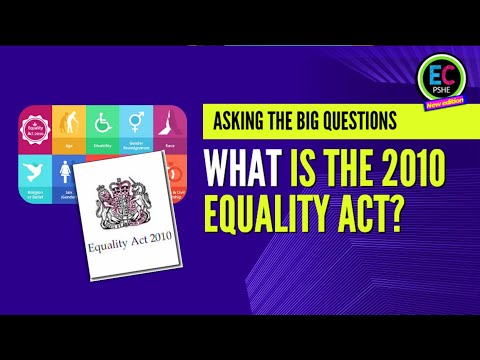
You know what’s wild? Just a decade ago, people were still debating whether equal pay was a thing. Seriously! Fast forward to 2010, and the Equality Act came along like a superhero swooping in to save the day.
It’s like someone finally decided that treating everyone fairly should be the standard, not the exception. Suddenly, things got a bit clearer when it comes to sex discrimination law. And let me tell you, it shook things up in ways you might not even expect!
The information on this site is provided for general informational and educational purposes only. It does not constitute legal advice and does not create a solicitor-client or barrister-client relationship. For specific legal guidance, you should consult with a qualified solicitor or barrister, or refer to official sources such as the UK Ministry of Justice. Use of this content is at your own risk. This website and its authors assume no responsibility or liability for any loss, damage, or consequences arising from the use or interpretation of the information provided, to the fullest extent permitted under UK law.
Imagine walking into a job interview and knowing your gender won’t play into how much you’re paid or if you even get the job! It’s about time, right? But it’s not just about pay; it ripples through workplaces, schools, and pretty much everywhere we interact.
So let’s chat about this act and what it really means for you and me in our day-to-day lives. Trust me; there’s more to it than just having a fancy name on paper!
Understanding the Implications of the Equality Act 2010: Key Insights and Impact on Society
The Equality Act 2010 is a big deal in the UK. It’s all about making sure everyone has a fair chance, no matter who they are. And when it comes to sex discrimination, this law packs some serious implications.
First off, let’s break down what sex discrimination really means. Essentially, it’s treating someone unfairly just because of their sex. This can come up in loads of different situations—like in the workplace or during hiring processes. The Act helps protect against this kind of behaviour, which totally makes sense, right?
One of the key insights from the Equality Act is that it covers not just direct discrimination but also indirect discrimination. This is where something seems neutral but actually puts one sex at a disadvantage. For instance, if a company has a policy that seems fair but inadvertently affects more women than men, that could be problematic under the Act.
And it gets even more interesting! The Equality Act also talks about things like harassment and victimisation. So, if someone feels uncomfortable or is treated badly because they rejected unwanted advances related to their gender, that person could have grounds for a claim.
Also worth noting is how the Equality Act strengthens rules around maternity leave and pay. This is crucial for supporting new mothers returning to work. Otherwise, we’d risk losing talented people just because they had a child—and that simply doesn’t sit right with most of us.
You might think this law only matters in formal settings like workplaces or schools, but its impact goes way beyond that. It influences societal attitudes as well! When people know there are clear laws against sex discrimination, they might think twice before behaving unfairly.
So yeah, what really stands out here is how the Act encourages not just compliance but genuine awareness and understanding. Organizations are pushed to create cultures where everyone feels safe and valued.
It’s pretty amazing to see how these legal frameworks help shift perspectives over time. Imagine a future where your gender doesn’t define your opportunities—how refreshing would that be? That’s what the Equality Act aims for, anyway!
In summary, the implications of the Equality Act 2010 on sex discrimination can’t be overstated. It challenges unfair practices and helps promote equality in many facets of life—workplaces included! And while there’s still work to do in achieving true equality across society, this law gives us an important foundation to build on moving forward.
Understanding the Implications of the Equality Act: Key Insights and Analysis
The Equality Act 2010 was a significant step in UK law. It combined various previous laws into one. This made it clearer for everyone regarding their rights and responsibilities when it comes to equality. In particular, the act covers several “protected characteristics,” and one of them is sex. So let’s explore what this really means for you.
What is the Equality Act about?
The Equality Act aims to protect people from discrimination in various settings like work, education, and public services. It helps ensure that everyone is treated fairly, regardless of their sex, race, age, disability, religion, or other characteristics.
Understanding Sex Discrimination
Sex discrimination can take two forms: direct and indirect. Direct discrimination happens when someone is treated unfairly because of their sex. For example, if a female employee is paid less than her male colleague for doing the same job solely because she’s a woman—that’s direct discrimination.
Indirect discrimination occurs when a practice or policy that seems neutral actually disadvantages one sex over another. Picture this: an employer requires all employees to work late shifts. If more women than men have childcare responsibilities and can’t work these hours, this could be seen as indirect discrimination against women.
Key Insights on Sex Discrimination Law
- Equal Pay: Under the act, men and women must receive equal pay for equal work. If you find yourself in a situation where you think you’re getting less pay just because of your gender, you might have grounds for a claim.
- Pregnancy and Maternity Leave: The law protects women from being discriminated against during pregnancy and maternity leave. If you’re treated unfairly due to taking such leave or are dismissed while pregnant, it could be an unlawful act.
- Harassment: Harassment related to someone’s sex can also fall under the act. This means any unwanted behaviour that violates someone’s dignity or creates an intimidating environment based on sex needs serious attention.
The Role of Employers
Employers have specific duties under the act too! They must ensure fair treatment across their workforce. This means they ought to promote equality actively—like conducting training sessions about unconscious bias or reviewing pay practices regularly.
Also, if you’re in charge of hiring staff or managing teams, creating an inclusive environment is key! Not doing so might expose your organisation to serious legal risks.
The Penalties for Non-Compliance
If someone feels they’ve faced sex discrimination at work or elsewhere due to breaches of the Equality Act 2010? They can bring a claim to an employment tribunal or even seek damages through civil courts! That can lead to compensation payments which might include lost wages or injury to feelings.
It’s essential not only for individuals but also for businesses looking to escape legal headaches down the line—treating everyone fairly simply makes good sense!
In summary, understanding how the Equality Act 2010 operates in relation to sex discrimination law isn’t just vital; it’s crucial for ensuring fair treatment across all aspects of society! By knowing your rights and responsibilities under this law, you equip yourself with knowledge—and that’s never a bad thing!
Understanding the Equality Act 2010: Protecting Sex and Promoting Gender Equality
The Equality Act 2010 is a crucial piece of legislation in the UK, aiming to protect individuals from discrimination and promote equality in various areas, including sex and gender. So, let’s break it down a bit.
What Is the Equality Act 2010?
Basically, this law consolidates previous anti-discrimination laws into one comprehensive framework. What it does is provide protection against unfair treatment based on specific characteristics known as “protected characteristics.” One of these characteristics is sex, which covers men and women.
Why Is This Important?
You might be thinking, “Why should I care about this?” Well, discrimination can happen anywhere—in the workplace, during services you receive from businesses, or even when engaging with public bodies. The law seeks to level the playing field.
Sex Discrimination Explained
When we talk about sex discrimination under the Act, we’re looking at two forms: direct and indirect discrimination.
- Direct Discrimination: This happens when someone is treated less favourably because of their sex. For example, if a company consistently pays men more than women for doing the same job—that’s direct discrimination.
- Indirect Discrimination: Now this one’s sneaky! It occurs when a rule or policy applies to everyone but puts one sex at a disadvantage. Imagine a company only offering promotion opportunities for employees who can work late evenings—a lot of women might not be able to do that due to family commitments.
Promoting Gender Equality
The Equality Act also encourages proactive measures for promoting gender equality. It’s not just about preventing discrimination; it’s also about creating an environment where everyone gets equal opportunities.
And here’s where things get interesting! Organizations have what’s called a “public sector equality duty.” This means they need to consider how their policies impact people with different protected characteristics.
A Real-Life Example
Let’s say you’re working in an office where policies are made without considering gender diversity. If there are hardly any women in leadership roles because promotions are often based on old boys’ networks—this could lead to scrutiny under the Act! Companies may find themselves needing to change their approach.
Although there have been improvements over the years thanks to awareness and laws like this one, there still remains much work ahead regarding truly equal treatment in various sectors.
The Implications for Employers
As an employer or manager, you might feel overwhelmed by all these regulations. But look at it this way: treating your employees fairly isn’t just good practice; it’s actually protecting your business from legal challenges down the line.
Plus, fostering an inclusive workplace can boost morale and productivity—which benefits everyone involved!
In short, understanding the Equality Act 2010 not only helps protect individuals from unfair treatment but also plays a crucial role in promoting gender equality within society as a whole. Each step forward makes us stronger together!
The Equality Act 2010 is, like, a pretty big deal when it comes to addressing sex discrimination in the UK. It rolls up a bunch of previous laws into one neat package, simplifying things and making life a bit easier for everyone. But there’s more to it than just being a handy reference, you know?
Let’s think about it for a second. Imagine you’re working in an office where everyone is treated fairly, regardless of whether they’re male or female. Sounds great, right? But then someone gets passed over for a promotion just because of their gender. That’s not just unfair; it’s actually against the law now, thanks to this act. The implications here are huge!
What the Equality Act does is set out clear protections against less favourable treatment based on sex. This means that if you’re a woman or a man and you feel you’ve been discriminated against at work—be it hiring practices, pay disparities or even opportunities for promotion—you have some solid legal ground to stand on. And while that might seem straightforward, the real impact goes deeper.
For instance, in the workplace, this act has made employers think twice about their practices. Many have started implementing training sessions or reviewing their recruitment processes more closely to avoid potential pitfalls. Companies really can’t afford to overlook these things anymore—not if they want to keep good talent and maintain their reputation.
But here’s where it gets interesting: despite all that progress, there are still gaps that need filling. Some people feel the act doesn’t fully address all forms of discrimination—like when women experience bias not just because of their gender but also due to pregnancy or maternity status. That can leave some feeling vulnerable.
I remember chatting with a friend who runs her own small business last year. She shared how important she found creating an equal environment for her employees—not only because it’s the law but also because she genuinely believes everyone should have equal opportunities. Hearing her passion really drove home how these laws aren’t just about checking boxes—they’re about fostering real change.
And while the act does provide protections against sex discrimination, things can often get murky in practice. For example, proving discrimination isn’t always cut-and-dry—it can be tough showing that someone’s decision was truly based on gender bias rather than other reasons.
Overall though, with the Equality Act 2010 as part of our legal framework, there’s hope! It acts as both shield and guidepost for those facing inequality at work or beyond. It’s like holding up a mirror to society and saying “Hey! Let’s do better.” And that’s something we could all stand behind!


