
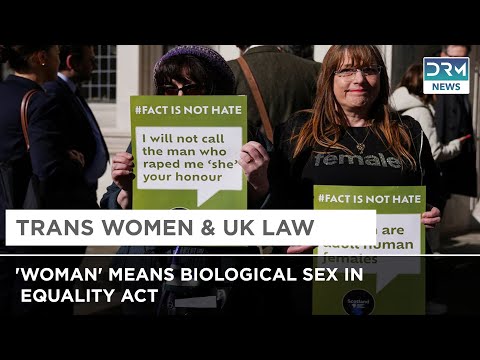
You know, it’s kinda funny how a simple bathroom sign can spark massive debates. I mean, who would’ve thought?
But really, the rights of transgender people under the Equality Act 2010 is something that matters to a lot of folks. It’s about respect and recognition in everyday life, right?
The information on this site is provided for general informational and educational purposes only. It does not constitute legal advice and does not create a solicitor-client or barrister-client relationship. For specific legal guidance, you should consult with a qualified solicitor or barrister, or refer to official sources such as the UK Ministry of Justice. Use of this content is at your own risk. This website and its authors assume no responsibility or liability for any loss, damage, or consequences arising from the use or interpretation of the information provided, to the fullest extent permitted under UK law.
Imagine feeling like you don’t quite fit in your own skin and then having to battle for your rights on top of that. Tough, huh?
There’s so much to unpack here. We’ll chat about what the law says and what it means for people just like you or me trying to navigate life. So let’s dig into the nitty-gritty of transgender rights in the UK!
Understanding the Current Transgender Ruling in the UK: Key Insights and Implications
Understanding the current transgender ruling in the UK is a topic that’s become increasingly relevant. In recent years, there’s been a lot of conversation around transgender rights, especially under the Equality Act 2010. This legislation is crucial because it provides protection against discrimination for various characteristics, including gender reassignment.
So, what’s the Equality Act 2010 all about? Basically, it’s there to prevent unfair treatment based on certain personal attributes. That includes being transgender—meaning if you’re transitioning from one gender to another or identifying as a different gender than the one assigned at birth, you’re protected under this law.
Recently, though, some rulings have stirred things up. For instance, in June 2023, a significant case came up regarding whether or not trans individuals are entitled to enhanced protections from discrimination—particularly focusing on healthcare and access to services. The court ruled that services must still cater sensitively to all individuals but struggled with how that translates into action.
Think about it this way: imagine someone who identifies as female but was assigned male at birth facing barriers when trying to access basic medical care. That’s where things can get tricky. The court recognized that while institutions should be inclusive, they also face operational challenges in meeting everyone’s needs equally.
Oh, and here are some key points about the implications of these recent rulings:
- Healthcare Access: The ruling did highlight that health services must ensure trans people feel safe and respected when seeking care.
- Public Services: Local councils and other organizations need to consider how they provide services in light of these laws.
- Cultural Sensitivity: There’s an ongoing conversation about how society views trans issues which can influence policy changes moving forward.
- Pride Events: Events like Pride have also faced scrutiny over inclusivity and representation of transgender individuals.
This tension between protecting individual rights while ensuring public services function smoothly can be tough. It brings to mind stories I’ve heard from friends who’ve felt lost when trying to navigate these systems—like dealing with forms that don’t reflect their identity or finding support from professionals who just don’t understand their situation.
There’s still much work left to do in truly understanding and implementing these protections across society. With ongoing discussions and future cases likely surfacing, it seems the conversation surrounding transgender rights will continue evolving so society can find a better balance between inclusion and practicality.
In short, while the Equality Act 2010 sets foundations for protecting transgender rights, ongoing legal interpretations will shape what those protections look like in real-life situations moving forward. You see? It’s complex but essential for ensuring everyone can live freely and authentically without fear of discrimination.
Understanding Transgender Protection Under the Equality Act 2010: Rights and Implications
So, let’s talk about something that really matters—transgender rights in the UK. You see, the **Equality Act 2010** is a big deal when it comes to protecting various groups, and that includes transgender individuals. It’s crucial to understand what rights you have if you’re transgender or know someone who is.
What Does the Equality Act 2010 Say?
Basically, this law makes it illegal to discriminate against someone because of their gender identity. It covers a bunch of different areas like work, education, and access to services. If you face unfair treatment because you identify as a different gender from the one assigned at birth, that could be discrimination.
Key Points on Transgender Protection
- Gender Reassignment: This is one of the protected characteristics under the Act. It means you’re protected if you’re undergoing, have undergone, or intend to undergo medical procedures related to changing your gender.
- Direct Discrimination: If someone treats you worse than others just because of your gender identity or expression, that’s direct discrimination.
- Indirect Discrimination: Sometimes policies might seem neutral but can disadvantage transgender individuals. For example, strict dress codes may not allow for personal expression.
It’s important to know that even if you haven’t legally changed your gender yet, you’re still protected under this law. Imagine being at work where your boss refuses to use your preferred name and pronouns; that’s not okay!
Your Rights in Various Areas
When it comes to places like schools and workplaces, there are specific rights you should be aware of:
- Employment: Employers can’t fire or treat you unfairly just because you’re trans. They need to make reasonable adjustments—for instance, allowing flexible dress codes.
- Education: Schools must support students’ transitions and respect their chosen names and pronouns.
- Healthcare: Accessing medical treatment should also be free from discrimination. Wanting gender-affirming care? You shouldn’t face any barriers for it.
Now let’s say one of your friends is trans and feels uncomfortable in their workplace due to negative remarks about their identity. They have every right to report this behavior without fear of retaliation.
The Road Ahead
While things have improved thanks to laws like the Equality Act 2010—there’s still a long way to go! Society is changing but sometimes laws lag behind public sentiment or understanding.
In short? The Equality Act offers significant protections for transgender individuals against discrimination across various facets of life in the UK. Understanding these rights can help create an inclusive environment for everyone involved—because everyone deserves respect.
So whether you’re trans yourself or support someone who is, knowing these protections can empower you in everyday situations! It’s all about awareness and standing up for what’s right.
Understanding Gender Reassignment Protections Under the Equality Act 2010
Alright, let’s chat about gender reassignment protections under the Equality Act 2010. This legislation is super important because it helps protect individuals from discrimination based on gender identity, among other things.
Basically, the Equality Act 2010 makes it illegal to treat someone unfairly because they’re transitioning or have transitioned from one gender to another. You might be wondering how that works in real life, right? Well, here’s the scoop.
- Protected characteristic: Gender reassignment is one of the nine protected characteristics in this law. That means if someone identifies as transgender or is undergoing gender reassignment, they have legal protections against discrimination.
- Discrimination is a no-go: You can’t discriminate against someone who’s undergoing gender reassignment when it comes to work, housing, services, and education. For instance, if you see someone being denied a job just because they’re transitioning—that’s not allowed.
- Direct and indirect discrimination: There are two main forms of discrimination. Direct means treating someone worse because of their gender identity. Indirect could be a policy that unintentionally puts transgender people at a disadvantage. Like if a company has a dress code that doesn’t allow for certain styles associated with transitioning—yeah, that’s problematic.
- Bullied or harassed? Bullying or harassment related to someone’s gender identity isn’t just rude; it’s illegal! If someone faces such behavior at work or school because of their transition, they’ve got rights—seriously!
- Sensitive situations: It’s important to note that not all transgender people will go through medical procedures for their transition. The law protects anyone identifying as trans—not just those who’ve had surgery or hormone treatments.
A little story here: A friend of mine once shared how nerve-wracking it was when she decided to transition at her workplace. She was really worried about how her colleagues would react. Thankfully, her boss had implemented training on inclusivity and made sure everyone understood the importance of respecting everyone’s identity. This really helped create an environment where she felt safe and valued.
The Act also outlines specific support provisions for employers and service providers so they can foster an inclusive atmosphere for everyone—transgender folks included! They have to take reasonable steps to prevent discrimination and ensure equality.
You might hear terms like “gender recognition certificate” (GRC) floating around too. This certificate allows someone to change their legal gender officially but getting one involves certain requirements and processes set by law.
The bottom line here is that the Equality Act 2010 provides strong protections for anyone going through gender reassignment in the UK. It aims to ensure you can live authentically without facing unfair treatment based on who you are!
If you’re ever unsure about your rights—or think those rights aren’t being respected—it’s always good practice to speak up or seek advice from organizations that specialize in this area!
So, let’s talk about transgender rights under the Equality Act 2010 in the UK. It’s a pretty crucial piece of legislation, you know? When it was introduced, it aimed to protect people from discrimination in various areas like work, education, and housing. And guess what? One of those groups it aims to protect includes transgender individuals.
Now, you might think that with a law in place, everything is all sorted. But it’s not always that simple. There’s this ongoing conversation about what rights really mean for transgender folks. Like, imagine being in a situation where you’re just trying to be yourself but constantly battling against misunderstanding or flat-out discrimination—it’s exhausting and sometimes really heartbreaking.
The Act gives rights based on gender reassignment, which is great because it means you can’t be treated unfairly just because you’re transitioning or have transitioned. But there can still be hurdles. Some people get confused about what “gender reassignment” means exactly or how it applies in real life. Sometimes policies don’t catch up with the understanding of gender identity, leaving individuals feeling unsupported or even unsafe.
There’s also the matter of public opinion and culture shifts around gender identity that can affect how well these protections are upheld. You might see some forces pushing back against these rights, which can create a tense environment where you feel like every step forward comes with two steps back.
To add a bit of personal colour to this discussion: I once heard from a friend who transitioned a few years ago. They talked about feeling misunderstood at work even after they were supposed to be protected by the law. They’d land a job where their qualifications were top-notch but then face microaggressions daily that chipped away at their confidence and well-being.
So while the Equality Act 2010 laid down some important groundwork for protecting transgender rights, there’s still much more to be done—like fostering awareness and understanding among everyone. You want to feel seen and respected as who you are; it’s vital for anyone’s humanity.
It’s all about finding that balance between law and lived experience—making sure that protections aren’t just on paper but are genuinely effective in everyday life. The journey continues!

