
Did you know that in the UK, women still earn about 15% less than men on average? Crazy, right? It’s like we’re living in a time warp.
But here’s the thing—most of us think we’ve come a long way since the days when women couldn’t even vote. Yet, gender discrimination is still lurking around, like that annoying fly buzzing at a picnic.
The information on this site is provided for general informational and educational purposes only. It does not constitute legal advice and does not create a solicitor-client or barrister-client relationship. For specific legal guidance, you should consult with a qualified solicitor or barrister, or refer to official sources such as the UK Ministry of Justice. Use of this content is at your own risk. This website and its authors assume no responsibility or liability for any loss, damage, or consequences arising from the use or interpretation of the information provided, to the fullest extent permitted under UK law.
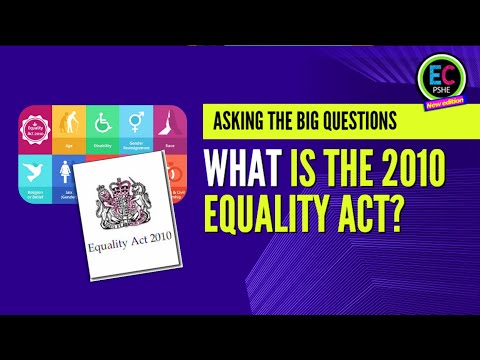
Enter the Equality Act 2010. This piece of legislation was designed to tackle just that—making sure everyone gets a fair shot, regardless of their gender.
So let’s chat about what this means for you and me. Because knowing your rights can help change those pesky statistics and make our workplaces way more equal!
Understanding the Equality Act 2010: Key Provisions and Impact in the UK
The Equality Act 2010 is a big deal in the UK when it comes to protecting your rights, especially against discrimination. This law brought together loads of previous legislation into one clear framework. So, what does it actually do? Well, let’s break it down.
Key Provisions
First off, the Act protects you from discrimination in various settings—like at work, in education, or while using public services. It covers a number of “protected characteristics,” which include:
- Age
- Disability
- Gender reassignment
- Marriage and civil partnership
- Pregnancy and maternity
- Race
- Religion or belief
- Sex (gender)
- Sexual orientation
So basically, if you feel you’ve been treated unfairly because of any of these characteristics, you’ve got legal protections.
Now let’s talk about gender discrimination. The Act makes it illegal to treat someone less favorably because of their gender. For example, if a woman applies for a job and is overlooked solely because a male applicant was chosen based on an outdated stereotype that men make better leaders—that’s gender discrimination right there.
The Impact on Gender Discrimination Cases
This law really shakes things up! If you’re facing gender discrimination at work, you can take your case to an employment tribunal. The tribunal can offer remedies like compensation or even reinstatement if you’ve been unfairly dismissed.
There’s also something called “indirect discrimination.” This happens when a policy that applies to everyone puts someone at a disadvantage based on their gender. Let’s say a company has a rule that everyone must work late nights but doesn’t offer flexible hours for childcare arrangements; this could disproportionately affect women who are often primary caregivers. It’s not just about being treated unfairly directly; sometimes it’s about the environment too!
But wait—there’s more! The Act also encourages bystander intervention. Suppose you witness someone being discriminated against because of their gender; under this law, you can report such behavior without fear of repercussions.
The Importance of Raising Awareness
You know what’s crucial? Raising awareness about your rights! Many people don’t fully understand the Equality Act or even know they’re being discriminated against. It can be daunting to stand up against injustice alone.
For instance, think about Sarah. She worked in an office where her male colleagues often interrupted her during meetings and dismissed her ideas. At first, she thought this was just how things were done—until she learned about the Equality Act 2010. Armed with knowledge of her rights, Sarah felt empowered to speak up and eventually brought her concerns to HR.
It just goes to show that understanding the law isn’t just “legal stuff” but something that can literally change lives!
In short? The Equality Act 2010 provides powerful protections against gender discrimination among other things.Like Sarah found out—it can help transform workplaces into fairer environments for everyone!
Understanding Gender Discrimination Law in the UK: Key Provisions and Implications
Gender discrimination law in the UK is mainly governed by the Equality Act 2010. This piece of legislation brought together various laws to create a more streamlined approach to equality and discrimination. It covers different forms of discrimination, including direct and indirect discrimination, harassment, and victimization. The goal is to make sure everyone gets a fair shot, you know?
So, what does direct discrimination look like? It’s when someone is treated less favorably just because of their gender. Say you’re applying for a job, and a hiring manager picks a male candidate over you, even though you’re equally qualified. That’s direct discrimination. It’s straightforward enough!
On the flip side, there’s indirect discrimination too. This happens when a rule or policy that seems neutral actually disadvantages people of a particular gender. For example, if a company sets working hours that don’t allow for flexible shifts, it might unintentionally harm women more—especially those who have childcare responsibilities.
The Act also addresses harassment, which includes unwanted behavior related to someone’s gender that makes them feel intimidated or offended. If your boss makes inappropriate comments about your appearance in front of coworkers? Yeah, that can definitely fall under harassment.
Victimization is another aspect worth mentioning here. Imagine you report gender discrimination at work and then find yourself treated unfairly as a result—like being sidelined on projects or left out of meetings. That’s victimization and it’s totally not okay!
The implications of these provisions are significant—both for individuals and organizations. You’ve got rights! If you feel discriminated against or harassed at work or any other setting covered by the Act, you can take action against it.
- If you’re an employee facing this kind of issue, consider raising it through your company’s grievance procedures first.
- If things don’t improve after that? You might end up going to an employment tribunal where your case will be heard.
- The law allows for compensation if your claim is successful; also for changes to be made in workplaces to prevent future discrimination.
It’s crucial to remember that this law doesn’t just apply to employees; it covers services too! For instance, if you’re refused service because of your gender at a restaurant? That’s also considered gender discrimination under the Equality Act.
Gender reassignment, which means transitioning from one gender to another, is specifically protected in this law as well. This means individuals going through transition should not face unjust treatment based on their gender identity.
The landscape around gender equality continues evolving in the UK too. Cases brought forth help shape how laws are interpreted over time so things can get better for everyone! But you need to stay informed about your rights so you can stand up when they’re crossed.
If something feels off in terms of how you’re treated because of your gender, don’t hesitate! Reach out for support or legal advice if needed—that’s what it’s there for!
Understanding the Equality Act 2010: Addressing Inequality and Discrimination in the UK
The Equality Act 2010 is a crucial piece of legislation in the UK aimed at tackling inequality and discrimination. You know, it’s like a safety net for people, ensuring that everyone gets treated fairly. So, what does it really cover? Let’s unpack it a bit.
This Act brings together several previous laws and makes things a lot clearer. It prohibits discrimination based on various characteristics known as protected characteristics. These include:
- Age
- Gender reassignment
- Disability
- Race
- Religion or belief
- Sex (gender)
- Sexual orientation
- Pregnancy and maternity
- Marriage and civil partnership
You probably think, “Okay, but how does this relate to gender discrimination?” Well, gender discrimination falls under the category of sex discrimination in this Act. Basically, you can’t treat someone unfairly because of their gender. This can happen in lots of different situations: at work, when accessing services, or even in education.
Take a moment to picture this: imagine you’re applying for a job with equally good qualifications as another candidate, but you get turned down just because you’re a woman or identify differently. Not cool, right? That’s precisely what the Equality Act aims to prevent.
The law distinguishes between several types of discrimination:
- Direct Discrimination: This happens when someone is treated worse than another person due to their sex.
- Indirect Discrimination: Sometimes policies or practices that seem neutral can disadvantage one gender over another. For instance, if an employer has flexible working hours but only applies it in ways that benefit men more than women.
- Bulliying and Harassment:This is unwanted behaviour related to someone’s gender that creates an intimidating environment.
- Victimisation:This occurs when someone suffers because they’ve complained about discrimination or supported someone else who has complained.
The thing is, the Equality Act also talks about reasonable adjustments for those who may be disadvantaged due to their gender or any other protected characteristic. For example, if you’re pregnant and need time off for appointments or maybe some flexibility with your duties—employers are required to consider your needs seriously.
You might wonder “What if I feel discriminated against?” If you believe you’ve faced gender discrimination under the Equality Act, you have options! First off, it’s usually best to try and resolve things informally through discussion with your employer or service provider. If that doesn’t work out—or if it feels too daunting—you can file a formal complaint through either Employment Tribunal or by contacting organisations like ACAS (Advisory, Conciliation and Arbitration Service). They offer support in handling these kinds of disputes.
This law isn’t just about making rules; it’s about changing attitudes too. People are waking up to the need for equality more than ever before. And while there may still be bumps along the road toward full equality—hey—it’s all about taking steps forward together.
If we want true progress against inequality and discrimination in our society today—and we surely do—we must understand tools like the Equality Act so we can stand up when things aren’t right! So yeah, knowing your rights makes all the difference!
You know, gender discrimination is one of those topics that’s just, well, still super relevant today. It touches everyone in some way, whether you realize it or not. I remember this one time when a friend of mine was passed over for a promotion at work. She had put in so much effort and had great results, but they chose her male colleague instead. It was frustrating to see how gender bias still sneaks into workplaces.
The Equality Act 2010 came about to address issues like this and make sure everyone gets treated fairly no matter their gender. Basically, the law aims to prevent discrimination in various areas of life—employment, education, and even the provision of goods and services. It’s about leveling the playing field so that people are judged on their abilities rather than outdated stereotypes.
What’s interesting is that the Act tackles direct discrimination as well as indirect discrimination. So if an employer treats someone less favorably because of their gender—like my friend—it falls under direct discrimination. But if they have policies that seem neutral but actually disadvantage one gender more than another? That’s indirect discrimination! Pretty clever approach if you ask me.
One key point is that the Act also covers things like harassment and victimization related to gender—this means you can’t just ignore bad behavior towards someone based on their sex or respond negatively to those who complain about it. It’s all meant to create a more inclusive environment for everyone.
But here’s the thing: laws alone can’t change mindsets overnight. It takes time for society to shift its views, especially when it comes to long-standing issues like gender roles and perceptions in the workplace or at home. Organizations need to actively promote equality and fairness in their cultures—not just tick boxes because it’s part of legal compliance.
So while we definitely have legal protections now—with the Equality Act standing as a firm reminder that discrimination is not okay—the journey toward true equality still needs personal commitment from all sides. You might be surprised how much impact small changes can make!


