
So, have you ever wandered into a loft and thought, “Wow, this space could really use some cozy throws and fairy lights?” I mean, who doesn’t dream of a chic little loft to lounge in? But then it hits you: wait, what are the rules about building one of those?
Loft conversions can be a total game-changer for your home. But believe me, diving into the world of building regulations can feel like navigating through a maze. Seriously! One wrong turn, and you could be dealing with all sorts of headaches later on.
The information on this site is provided for general informational and educational purposes only. It does not constitute legal advice and does not create a solicitor-client or barrister-client relationship. For specific legal guidance, you should consult with a qualified solicitor or barrister, or refer to official sources such as the UK Ministry of Justice. Use of this content is at your own risk. This website and its authors assume no responsibility or liability for any loss, damage, or consequences arising from the use or interpretation of the information provided, to the fullest extent permitted under UK law.
You probably didn’t know that there are actual laws around this stuff. Yeah, not just advice from your mate Dave who’s really into DIY. So if you’re thinking about transforming that dusty attic into your dream hideout or rental space, stick around. Let’s unpack the nitty-gritty of loft building regulations together!
Essential Regulations for Loft Conversions in the UK: A Comprehensive Guide
Loft conversions are a great way to add extra space to your home, but it’s super important to understand the legal side of things. You see, there are **essential regulations** you need to follow in the UK. Let’s break down what you should know about loft building regulations.
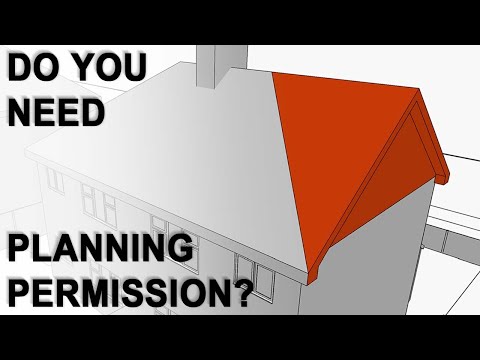
First off, **Planning Permission** is one of those things that can really trip you up if you’re not careful. Not all loft conversions require it, but it depends on a few factors like how much alteration you’re doing and whether or not you’re in a conservation area. If you’re making big changes to the roofline or adding windows that stick out too far, you’ll likely need to apply.
Then there’s the matter of **Building Regulations**. These are basically safety standards set by the government to ensure that any structural work is done safely and soundly. However, even if your conversion doesn’t need planning permission, you’ll still have to comply with these regulations. They cover aspects like:
- Fire Safety: Ensure there’s a safe escape route in case of fire.
- Structural Integrity: Your new space has to be safe and secure.
- Insulation: Making sure your loft is insulated properly means better energy efficiency.
- Ventilation: You’ll want proper airflow; it keeps things fresh up there!
You don’t want your lovely new space turning into a DIY disaster story! I remember my buddy Tom added a loft conversion without checking all this stuff first. They had issues with leaks because they didn’t install ventilation properly—it was such a hassle for him.
And let’s not forget about **Party Wall Agreements** if you share walls with neighbors. This kind of agreement is basically an assurance that your building work won’t disturb their side or cause damage to their property during your renovation.
You also might want to look into any other local council requirements as they can vary from place to place. Some areas require additional considerations due to historical significance or just local preferences.
If everything goes according to plan and you’ve ticked all the boxes legally speaking, you’ll end up with an awesome new living area—an office, guest room, or whatever you fancy! Just remember: understanding these essential regulations takes the stress out of home improvements and keeps everything above board.
In short, while loft conversions can be exciting projects leading you toward more usable space at home, being aware of all these regulations ensures that your beautiful new room stays safe and sound for years to come!
Comprehensive Guide to Building Regulations for Loft Conversions
Building a loft conversion can be an exciting way to add space to your home, but navigating the legal landscape of building regulations can feel a bit daunting. Let’s break it down together so you know exactly what to expect.
First off, what are building regulations? They’re essentially rules that set standards for the design and construction of buildings. In the UK, these regulations ensure safety, health, energy efficiency, and accessibility. They apply to new builds and also to alterations like converting a loft.
Now, you might be wondering if your loft conversion needs planning permission. Well, in many cases, you might be able to do it under permitted development rights. This means you could bypass the often lengthy planning permission process. But it’s not a free-for-all! There are conditions like:
- Your loft conversion should not exceed certain height limits.
- You must maintain a specific appearance that fits your neighbourhood.
- Any extension can’t go beyond the existing roof slope.
Let’s chat about building control approval. You’ll usually need this whether or not you need planning permission. Basically, building control ensures your project meets safety and structural requirements. You can either work with your local council or a private approved inspector. It’s worth checking this out early on because they’ll inspect during key stages of construction.
If you’re thinking about going ahead with a loft conversion, here are some key points you should keep in mind:
- Fire Safety: Your loft needs proper fire escapes and smoke alarms.
- Structural Integrity: The existing structure must support the new load of your converted space.
- Insulation: You’ll need appropriate insulation for energy efficiency.
- Aeration: Ventilation is important to prevent damp and provide fresh air.
There’s also a thing called Party Wall Agreements. If your loft conversion involves work on walls shared with neighbours (like if you’re extending over their property), you’ll need to notify them under the Party Wall etc Act 1996. It sounds more complicated than it is! Generally, you’ll have to inform them in writing about your plans and may need their consent.
So let’s say you’re ready to dive into this project—where do you start? Getting an architect or builder on board who understands these regulations can save you heaps of time and stress right from the beginning.
And speaking from experience, I recall helping my mate Tom through his own renovation journey. He took on his messy garage first without checking everything properly – ended up having to redo bits because he didn’t comply with fire safety measures! So learning from others’ experiences can really help nudge things along smoothly.
In summary, while building regulations may seem overwhelming at first glance, breaking down these components shows it’s manageable with some planning! Just remember: check if you need planning permission, get that all-important building control approval sorted out early on, adhere to fire safety rules and don’t forget about ventilation! Happy converting!
Understanding Loft Insulation Regulations in the UK: Key Laws and Requirements
Understanding loft insulation regulations in the UK can feel a bit overwhelming. But don’t worry, I’m here to break it down for you. You might be thinking, why does it matter? Well, proper insulation can help keep your home warm and reduce your energy bills. Plus, there are legal requirements you need to be aware of.
Building Regulations are the core rules that govern loft insulation in the UK. They set minimum standards for health and safety, energy efficiency, and sustainability in buildings. When you’re adding or altering insulation in your loft, you need to make sure you’re complying with these regulations.
So you might ask, what do these regulations actually cover? Here are some key elements:
- Thermal Performance: Insulation must meet certain thermal performance criteria to ensure your home retains heat effectively.
- Ventilation: Proper ventilation is crucial to prevent moisture build-up which could lead to damp or mold issues.
- Access: Your loft should allow for safe access so that any maintenance work can be carried out easily.
Now let’s talk about the insulation materials. They should be appropriate for the type of loft you’re dealing with—be it a pitched roof or flat roof. Each has its own requirements. Common materials include fiberglass, mineral wool, and foam boards. It’s essential to pick something that complies with Part L of the Building Regulations.
And speaking of compliance, if you’re planning substantial work on your loft—like converting it into a living space—you’ll likely need Planning Permission. This is where things like aesthetics and potential impacts on neighbors come into play. You don’t want any nasty surprises later when someone complains about your shiny new room!
You also need to remember that existing homes often have older insulation standards that might not meet today’s requirements. If you’re updating an old place, it’s worth checking whether you need any upgrades.
Now here’s a little story for you: A friend of mine decided to insulate his loft without checking the rules first. He thought he was saving money by doing it himself, but then found out he needed a retrospective building inspection! Of course, this led to extra costs and some stress as he had to rectify his DIY job.
In addition to Building Regulations and Planning Permission, some local councils may have their own policies about loft conversions or insulation practices—so it’s a good idea to check with them directly.
It’s also important to note that if you’re renting out property or even living in one as a tenant, there are obligations regarding energy efficiency ratings under the Minimum Energy Efficiency Standards (MEES). Landlords have specific duties when it comes to ensuring their properties have suitable insulation levels before they let them out.
In summary, understanding loft insulation regulations is all about ensuring energy efficiency while keeping safety in mind—both yours and your home’s. Ignoring these regulations can lead not only to higher bills but also possible legal issues down the line.
So next time you’re thinking about tackling that cozy space above your head—or even just curious—it pays off big time to know what those rules really mean!
Building a loft can be an exciting project, right? You know, it’s all about creating that extra space, whether it’s for a home office, a cozy den, or even an additional bedroom. But before you start dreaming about those decorating ideas, let’s chat a bit about the legal side of things—specifically the loft building regulations in the UK.
You might be thinking, “Regulations? Boring!” But honestly, they’re super important. I mean, who wants to invest time and money only to find out down the line that they’ve done something illegal? A friend of mine got really into renovating his loft. He was so pumped! Until he discovered his beautiful new bedroom didn’t meet any of the required building standards. Ouch! It ended up being a costly lesson.
So here’s the thing: in the UK, loft conversions usually need planning permission. But there are cases where you might not need it if your project falls under permitted development rights. Still sounds confusing? I get it! Basically, these rights allow certain alterations without going through the full planning permission process—the whole idea is to simplify things a bit.
But even if you skip planning permission, you can’t forget about building regulations. That’s where safety and health come into play. The regulations cover everything from structure and fire safety to insulation and ventilation. It’s all about ensuring your loft is safe for use. Imagine making that dream space only to find out later it’s not safe to be in!
Then there’s also this factor of building materials and their environmental impact—another thing that fits under those regulations. You wouldn’t want to contribute negatively to global warming while trying to create your perfect retreat at home.
When you’re set on converting your loft, it can be helpful to have an experienced architect or contractor on your side—someone who understands all this stuff inside and out. They’ll help navigate these murky waters and keep everything above board.
It may seem like a hassle now, but understanding these legal considerations means getting the most out of your conversion while keeping everything safe and sound—safe for you and for future owners too! So yeah, take a moment before jumping into things; your future self will thank you for it!


