
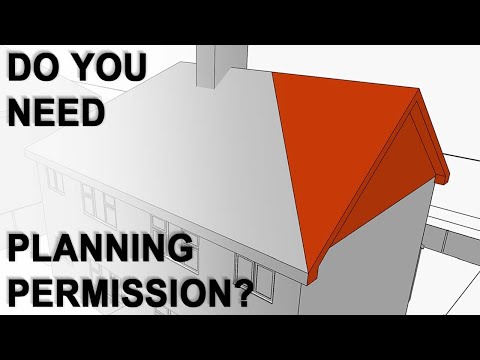
You know, the other day my mate was telling me about their loft conversion plans. They reckon it’ll be an easy way to add space and value. But then they hit me with a question I never thought about: “What’s the deal with all the legal stuff?”
Honestly, I had to admit it’s not just about slapping on some new stairs and calling it a day. There’s loads to think about, from planning permissions to party wall agreements. The whole thing can get pretty tricky, you know?
The information on this site is provided for general informational and educational purposes only. It does not constitute legal advice and does not create a solicitor-client or barrister-client relationship. For specific legal guidance, you should consult with a qualified solicitor or barrister, or refer to official sources such as the UK Ministry of Justice. Use of this content is at your own risk. This website and its authors assume no responsibility or liability for any loss, damage, or consequences arising from the use or interpretation of the information provided, to the fullest extent permitted under UK law.
So if you’re considering turning that dusty attic into a cute little guest room or a swanky home office, hang tight! We’re gonna break down what you really need to consider before diving in headfirst.
Comprehensive Guide to Loft Conversion Regulations in the UK: Essential Rules and Requirements
When you’re thinking about turning that dusty loft into a cozy bedroom or maybe even an office, it’s essential to know the regulations surrounding loft conversions in the UK. No one wants to go through all that effort and find out you’ve run afoul of the rules, right? So, let’s break down some crucial points you need to consider.
First off, **Planning Permission** can be a biggie. Depending on what you’re planning, you might not need it at all. If your loft conversion qualifies as **Permitted Development**, then you’re in luck! But there are conditions. For example:
- The extension must not extend beyond the plane of the existing roof.
- No higher than the highest part of the roof.
- Materials used should be similar in appearance to those used in the existing house.
So, if your house is listed or located in a conservation area, you’ll likely need to get planning permission. Just imagine thinking everything’s fine and then getting a letter from your local council saying otherwise—it’s not pretty!
Then there’s **Building Regulations**, which are a whole separate kettle of fish. You’ve got to ensure your loft meets certain safety and structural standards. This includes:
- Fire safety: You might need to install fire doors and alarms.
- Insulation: To keep warm air inside and cold air outside—makes sense, right?
- Structural integrity: Your floor needs to support whatever weight is added above!
And hey, don’t forget about the access! Building regs usually require you to have a proper staircase getting up there. A flimsy ladder just won’t cut it.
You’ll also want to check about **Party Wall Agreements** if your property shares walls with neighbors. This is especially important if your work might affect your neighbor’s side—nobody wants bad blood over building work.
Now, there’s another thing called **Covenants** that can pop up too. These are restrictions placed by previous owners or developers on what changes can be made to a property. It’s crucial not to overlook these because they can mess up even well-planned projects.
Lastly, think about how this conversion impacts your home insurance. It might change once you alter the structure of your house. Always a good idea to give them a ring!
And one more quick point: don’t forget about any potential taxes when selling post-conversion! Sometimes adding value can mean more tax implications down the line; it’s like a double-edged sword.
So yeah, doing a loft conversion isn’t just about throwing some insulation up there and hoping for magic; it’s packed with rules and regulations that need checking out first! Planning ahead not only saves you time but also heartache later on—believe me!
Understanding the 10-Year Rule for Loft Conversions: Key Insights for Homeowners
When you’re thinking about doing a loft conversion, there’s a lot to consider, right? One of the most important things is the 10-Year Rule, especially if you want to avoid planning permission hassles. So, what’s this rule all about?
Basically, the 10-Year Rule means that if you’ve built something without planning permission, and it’s been over ten years since it was completed, the council can’t enforce any action against you! Cool, huh? But there are a few catches.
Firstly, this applies only to certain types of work. For loft conversions, if you’ve changed the use of your loft without permission or did a bit of an extension that wasn’t covered under permitted development rights, then this rule could save your bacon. You follow me?
Now let’s break down some key points you might want to keep in mind:
Now picture this: let’s say there’s a family down your street who just knocked up a quick conversion on their own without checking with anyone first. After ten years roll by and they’re all settled in with their new guests enjoying family dinners in what used to be an empty space—well, unless someone complains about it or it impacts neighbors significantly, those folks are likely safe from council issues.
That said, always remember that living with unapproved work can stir up troubles later on! If someone decides to complain after those ten years are up (think noisy parties or structural issues), things could get complicated.
Also worth mentioning: some councils have different rules regarding what they enforce or how strictly they monitor these conversions. So do keep an eye on local regulations because they can vary quite a bit.
And finally: even though the 10-Year Rule offers some peace of mind for homeowners who’ve done things informally in good faith—it’s **not** a free pass for everyone. If you’re planning on selling your house or there’s any doubt about compliance with local laws, it’s always smart to get some advice from someone who knows their stuff in law before moving ahead!
So there we go! Loft conversions can be brilliant for maximizing your home space but understanding the legal bits like the 10-Year Rule makes everything smoother for you down the road.
Do You Need an Architect for a Loft Conversion in the UK? Essential Insights and Guidance
So you’re thinking about a loft conversion, huh? That’s pretty cool! It can add some serious value to your home and give you that extra space you’ve been dreaming of. But now the big question: do you really need an architect for this? Let’s break it down.
First off, it’s essential to understand that loft conversions are quite popular in the UK. A lot of people choose this route rather than moving. There are various types of conversions, like dormer or mansard styles. Each has its own requirements, and depending on what you pick, you might need some help planning things out.
Here’s the deal: you don’t necessarily have to hire an architect for a loft conversion. If your plans are simple enough, some builders can handle the design work. That said, having an architect can be super helpful for a few reasons:
- Complex designs. If you have something specific in mind that involves tricky angles or unique features, an architect’s expertise might be needed.
- Planning permissions. They know the ins and outs of regulations and can help ensure you get the necessary approvals.
- Building regulations. Loft conversions need to meet various standards. An architect can make sure your project complies with them.
Now let’s talk about planning permission. Some loft conversions fall under “permitted development,” meaning you don’t need specific permission if it meets certain criteria. However, if your plans push those boundaries—like adding higher roofs or creating balconies—you will definitely need to apply.
Imagine this: Sarah lives in a charming Victorian terrace in London. She decided to convert her loft into a chic reading nook but didn’t consult an architect. Unfortunately, her builder cut corners on insulation and stair placement, leading to costly modifications later on. A quick chat with an architect could have saved her from all that hassle!
Another thing worth mentioning is the cost. Hiring an architect does come with fees—typically anywhere from £50-£150 per hour or a percentage of the overall project cost (often around 5-10%). Still, think about it as an investment; they could help avoid expensive mistakes down the line.
And while we’re at it, check out your local council’s advice online regarding permitted development rights—it might save you time and money!
In short, hiring an architect is not a strict requirement for every loft conversion in the UK—it really depends on your specific situation and how complex your plans are. If you’re feeling confident about design basics and sticking within guidelines, go ahead! But if you’re unsure or envision something more ambitious, getting professional help might just be the way forward.
Hope that clears things up for ya! Good luck with your loft conversion journey!
Thinking about a loft conversion? It’s an exciting project, isn’t it? You can turn that unused space into a beautiful bedroom, a home office, or even a little gym. But before you get too carried away with ideas and Pinterest boards, there are some legal things you should think about.
First off, planning permission can be a bit of a maze. In some cases, you might not need it if your project falls under permitted development rights. This basically means you can make certain changes without the hassle of getting permission from your local council. But hey, not everything is straightforward! If your house is listed or in a conservation area, the rules get stricter, and planning permission could be necessary.
I once knew someone who got really excited about their loft conversion plans. They started knocking down walls before checking with the council. A few weeks later, they received a letter saying they’d made an illegal alteration! That panic as they scrambled to fix it was something else. So it’s super important to check what’s needed in your area.
Then there’s building regulations to think about. These are safety standards that all building projects must comply with to ensure the structure is safe and sound—things like fire safety and insulation come into play here. You might need to hire professionals like architects or builders who know the ropes. It might cost a bit upfront but it’ll save you headaches later on.
And don’t forget about getting advice from your neighbours! I mean, we all want to live in harmony, right? If you’re going to be making noise or blocking sunlight with your new roof windows, it’s best to let them know what you’re up to. In some cases, they’ll appreciate the heads up!
So yeah, while envisioning that lovely space in your loft is thrilling, wrapping your head around these legal bits is just as crucial. Think of it as laying down the foundation for your dream project—both literally and legally! You want everything sorted so that when it’s time for cuddles on that new sofa or zoom calls in that stylish office corner, you can relax without worrying about any red tape hanging over your head.


