
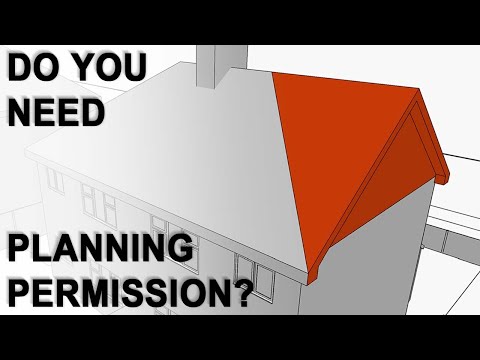
You know, I’ve always wondered why lofts get such a bad rap. Seriously, they’re like that hidden gem in your home that just needs a little love. But, if you’re thinking about turning your cluttered attic into a cozy room, just hold on a sec!
There’s more to it than just nailing up some boards and calling it a day. Loft conversion windows have quite the story when it comes to regulations in the UK. It’s not exactly as thrilling as your latest Netflix binge, but understanding the rules can save you from some serious headaches down the line.
The information on this site is provided for general informational and educational purposes only. It does not constitute legal advice and does not create a solicitor-client or barrister-client relationship. For specific legal guidance, you should consult with a qualified solicitor or barrister, or refer to official sources such as the UK Ministry of Justice. Use of this content is at your own risk. This website and its authors assume no responsibility or liability for any loss, damage, or consequences arising from the use or interpretation of the information provided, to the fullest extent permitted under UK law.
And let’s be honest – nobody wants to invest time and cash only to find out they’ve broken a rule or two! So grab your tea, and let’s sort through what you need to know about those pesky loft conversion window regulations. You’ll be glad you did.
Understanding Loft Conversion Window Regulations in the UK: A Comprehensive Guide
You know, loft conversions can really transform a space. They give you extra room and often add value to your home. But before you get carried away with all your plans for that cozy den or a guest room, there are some important regulations about windows you should be aware of.
When it comes to loft conversions in the UK, understanding window regulations is crucial. Planning permission may not always be needed for loft conversions under what’s known as Permitted Development rights. However, there are certain rules governing window placements and designs.
First off, if you’re going all out with Velux windows or dormer windows, the regulations will differ based on whether you’re in a conservation area or not. If you’re in a conservation area, additional restrictions can apply since they aim to maintain the character of the area.
Now, let’s dig into some specifics:
- Privacy Concerns: Your new windows shouldn’t overlook your neighbours’ privacy too much. If they do, you might need to consider obscure glazing or other solutions.
- Light and Ventilation: Windows must provide adequate light and ventilation for the space. Think about how the angle of sunlight hits your loft throughout the day.
- Size Requirements: The size of your windows usually needs to be proportional to the overall size of your loft conversion. A giant window on a small extension might raise eyebrows with planners.
- Safety Standards: All windows must meet certain safety standards including fire escape routes – like having opening windows that can act as an emergency exit.
When I was chatting with a mate who converted his attic last summer, he was super excited but a bit clueless about these regulations at first. He nearly went for huge floor-to-ceiling windows until he found out it could cause problems with planning permission—or worse—lead to privacy complaints from next door!
You could also face restrictions depending on whether you’re in an Article 4 Direction area, which further removes Permitted Development rights—so checking that out is key before even picking up that hammer.
And what about building regulations? Yep! Those come into play too. These rules ensure that your new conversion is safe and structurally sound. This includes checking stability of the roof structure and making sure there’s enough insulation too.
Another good thing to keep in mind: if you’ve got a flat roof on your conversion and want roof lights or skylights instead of standard windows, they’ll still have to comply with those same quality marks related to safety and energy efficiency.
In summary, if you’re thinking about adding or changing up those loft windows during your conversion project:
- Check local planning policies.
- Consider privacy issues first.
- Make sure you’re compliant with building regulations.
With all this info in hand, you’ll be better prepared for your journey towards that perfect loft conversion! Remember—doing everything right means less headache later on when it comes time for inspections and potential sign-offs from local councils. So just keep these points in mind as you move forward!
Enhance Your Home Value: The Ultimate Guide to UK Loft Conversions
When you’re thinking about a loft conversion to boost your home’s value, it’s essential to get your head around the legal stuff, especially the regulations regarding windows. Seriously, nobody wants to run into issues later on.
First off, you need to know about **Permitted Development Rights**. This is great because it allows certain types of loft conversions without needing full planning permission. You’re looking at things like adding dormer windows or skylights. But hey, there are limits! For most homes, you can add a little extra room as long as some conditions are met.
Now, let’s get into the **specifics of window regulations** you really need to pay attention to:
- Size and Style: The new windows should generally match the character of your home. So if you have a quaint cottage style, oversized modern windows might not cut it.
- Privacy Concerns: If overlooking someone else’s garden or property is an issue—yeah, it could cause some tension! You might need to consider frosted glass or repositioning those windows.
- Safety and Ventilation: Windows must meet certain safety standards. Think about whether they open wide enough for ventilation and emergency escape if needed—very important!
- Building Regulations: Beyond planning permission, building regulations apply too. This covers everything from fire safety to structural stability.
So let’s say you’re looking at adding a nice **dormer window** in your loft conversion. It sounds lovely! But just remember, if it’s overlooking neighbors’ property or gardens, you might have to rethink that design a bit.
Also, don’t forget about the **energy efficiency** aspect! New windows should ideally meet specific energy standards for insulation and heat loss. If they’re not up to scratch, it could not only affect comfort in winter but also bring up energy bills!
Now here’s a little anecdote for flavor: I once knew this couple who were super excited about their loft conversion. They envisioned this beautiful space with stunning views from their new skylights. But after chatting with their local council, they realized they couldn’t go ahead unless they altered the plans due to privacy concerns with neighbours. It was a bummer but taught them that checking regulations first can save headaches down the line.
Before you start with those grand plans for enhancing your home value through a loft conversion with fancy new windows, take some time to get familiar with these regulations. You want everything done right so that once you’re enjoying that new space—and possibly more value—you won’t have any nasty surprises hanging over your head later on!
Ultimate Guide to Loft Conversion Kits: Transform Your Space Efficiently
Loft conversions can be an awesome way to give your home some extra space. Seriously, who doesn’t love the idea of turning that dusty old attic into a cozy bedroom or a cool office? But before you grab that hammer and saw, it’s super important to understand the legal stuff, especially around loft conversion window regulations in the UK.
First off, you need to know about **planning permission**. Not every loft conversion needs it, but a lot do. If you’re looking to put in windows—especially if they’re on the front of your house—you might have to ask permission from your local council. They want to ensure that whatever you’re doing fits with the character of the neighborhood. It’s like when your friend suddenly changes their hairstyle; they need to check if it works with their vibe!
Now, onto building regulations. These are a little different from planning permission and focus on health and safety standards for structures. You’ll want to pay attention here because they cover things like insulation and fire safety. For instance:
- Fire safety: You’ll need proper escape routes in case of an emergency.
- Insulation: Good insulation keeps your loft comfy and helps save on heating bills.
- Aeration: You can’t forget about ventilation; it keeps the air fresh and stops damp issues!
When installing windows, there are specific height rules too. If you’re adding dormer windows or roof lights, they can’t just be tucked away wherever you feel like. Usually, they should be at least 1.7 meters above floor level to avoid nosy neighbors peeking in—unless you’re inviting them over for tea!
Another thing is **permitted development rights** which can sometimes allow you to make changes without needing formal planning permission. But watch out; these rights come with conditions! For example:
- Your extension must not exceed certain height limits.
- The volume of new space must stay within specified limits.
If you’re thinking about a big project like this, seriously consider consulting an architect or builder who knows their stuff about local laws and regulations.
You know how sometimes people think they can just “wing it” when it comes to DIY? Well, having a good understanding of these regulations is key! I once saw my mate try converting his loft without checking anything; long story short: he ended up getting slapped with fines because he didn’t follow protocol.
So really, before you start tearing down any walls or putting in those fancy skylights you’ve been dreaming about, make sure you’re aware of all these legal bits and bobs! It’s just going to save you a whole lot of hassle down the road—and who doesn’t want that?
When you’re thinking about adding a loft conversion to your home, you want it to be the perfect blend of extra space and style, right? But before you start cracking open the champagne to celebrate your new pad in the skies, there’s a bit of legal stuff you have to wrap your head around—specifically, the regulations for loft conversion windows.
A few years ago, my mate decided to convert his dusty old attic into a cozy loft. He was all set until he realized he needed planning permission—who knew? So, it turns out that when you’re changing how your roof looks or adding windows, it’s not as simple as just hammering a few nails in. You’ve got regulations that are pretty important to follow.
In the UK, there are certain rules under permitted development rights that allow homeowners to do some types of work without needing full planning permission. That’s like a little breather; you can often add windows if you’re staying within specific guidelines. So, for example, if they’re at least 1.7 meters above floor level and don’t protrude beyond the eaves of your house—well, then you’re generally in the clear! Very helpful, right?
But it gets trickier with things like conservation areas or listed buildings. If your home is one of those charming old places that has historical significance (think quaint cottages or grand Victorian houses), those precious windows could require full planning permission. And getting that can feel like navigating through a maze blindfolded—one wrong turn and you might end up having to remove what you’ve added.
So imagine this: You’ve done all the work and spent loads on materials and labor just to find out that your lovely new windows don’t comply with local building codes. That can be pretty disheartening! The last thing anyone wants is an enforcement notice telling them they need to rip their dream space apart.
It’s always good practice to check with your local council before diving head-first into any renovations. They can provide guidance on whether you need planning permission or if what you’re planning is covered by permitted development rights. Just think of them as your friendly neighborhood guide through this sometimes confusing process.
At the end of the day—well, it’s all about making sure everything is safe and sound while creating a beautiful new space for yourself. Take a bit of time to sort through these regulations; it’ll make enjoying your new loft so much sweeter!


