
Did you know that back in the day, women couldn’t even open a bank account without their husband’s permission? Crazy, right? Fast forward to today, and we’ve got laws like the Gender Equality Act 2010 making strides for fairness.
So, what’s the deal with this Act anyway? Well, it’s all about ensuring that everyone gets treated equally, regardless of their gender. Sounds simple enough, huh?
The information on this site is provided for general informational and educational purposes only. It does not constitute legal advice and does not create a solicitor-client or barrister-client relationship. For specific legal guidance, you should consult with a qualified solicitor or barrister, or refer to official sources such as the UK Ministry of Justice. Use of this content is at your own risk. This website and its authors assume no responsibility or liability for any loss, damage, or consequences arising from the use or interpretation of the information provided, to the fullest extent permitted under UK law.
But here’s where it gets interesting. Navigating the ins and outs of this law isn’t always straightforward. There are twists and turns you might not expect. Let’s break it down together; you’ll see just how it affects everyday life.
Comprehensive Overview of the Gender Equality Act 2010: Key Insights and Implications in UK Law
The **Gender Equality Act 2010** is a big deal in the UK. It’s all about making sure everyone gets treated fairly, regardless of their gender. It brought together loads of previous laws and made things clearer for everyone involved—whether you’re an employee, employer, or just someone trying to understand your rights.
What does the Act do? Well, it aims to eliminate discrimination based on gender and promote equality in a bunch of areas like work, education, and public services. It’s really about making life more fair for everyone!
One important part is the **duty to promote equality**. This means that public bodies have to think about gender equality when they’re making decisions or providing services. Like, if a council is planning new public transport options, they have to consider how those plans will affect men and women differently.
Another key point is around **pay transparency**. The Act makes it easier for employees to find out if they’re being paid less than someone of the opposite gender for doing the same job. Imagine working hard at your job and then finding out a colleague doing similar work is earning more just because of their gender! It’s such a frustrating situation.
It also covers **harassment and victimisation** related to gender issues. So, if someone experiences bullying at work because of their gender or speaks up against it and then faces backlash, that’s not okay under this law.
But what about exceptions? Sometimes people might ask whether there are circumstances where different treatment is allowed. And yes, there are some exceptions! For instance, in specific roles where sex is a genuine occupational requirement—like hiring only women for women’s shelters—that could be permitted.
And let’s not forget about the importance of **supporting individuals with caring responsibilities**, which often falls more on women than men. The Act encourages flexible working arrangements for parents or caregivers, which can make a huge difference in balancing work and home life.
Overall, with the Gender Equality Act 2010 in place—though we’ve come a long way—there’s still more work needed to ensure that everything’s truly equal out there. You see stories all the time about gaps in pay or unequal opportunities. That’s why understanding this law can empower you to speak up if you’re experiencing inequality.
So yeah, whether you’re navigating your workplace or dealing with public services, knowing your rights helps you stand up when something doesn’t feel right! Just remember that this Act isn’t just legal jargon; it’s here to help create an environment where everyone can thrive equally regardless of their gender!
Download the Equality Act 2010 PDF: Key Provisions and Insights
The Equality Act 2010 is a significant piece of legislation in the UK that aims to consolidate and simplify anti-discrimination laws. It protects individuals from unfair treatment based on certain characteristics. If you’re looking for the PDF version, you can often download it from official government websites or legal resources.
So, what are the key provisions? Well, let’s break it down:
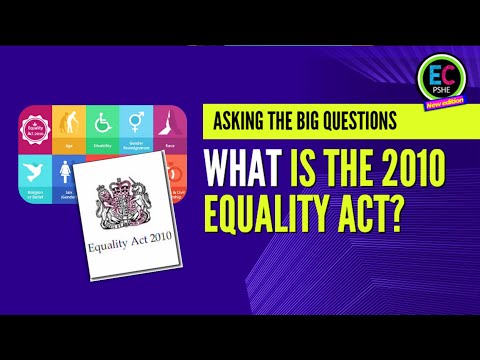
- Protected Characteristics: The Act lists nine characteristics that are protected under the law: age, disability, gender reassignment, marriage and civil partnership, pregnancy and maternity, race, religion or belief, sex, and sexual orientation. This means you can’t be treated unfairly just because you belong to one of these groups.
- Direct Discrimination: This happens when someone is treated less favorably than another person because of a protected characteristic. For instance, if a woman is passed over for a promotion just because she’s pregnant—that’s direct discrimination.
- Indirect Discrimination: This is a bit trickier. It occurs when a policy applies equally to everyone but puts people with a particular characteristic at a disadvantage. Imagine an employer who insists on early start times that are particularly tough for parents with young kids.
- Harassment: The Act protects against unwanted behavior related to a protected characteristic that violates someone’s dignity or creates an intimidating environment. Think about joking comments in the workplace about someone’s religion; that’s harassment!
- Victimisation: You cannot be treated unfairly if you’ve complained about discrimination or helped someone else complain. For example, if you faced backlash at work after reporting harassment—this could be seen as victimization.
- Pregnancy and Maternity Rights: Women have specific protections during pregnancy and maternity leave. No one should face disadvantages at work due to pregnancy-related issues.
The Act also emphasizes the importance of public sector equality duties; organizations must consider their impact on equality in decision-making processes.
Let me share something personal here. Imagine someone watching their friend get sidelined at work after requesting flexible hours for family commitments—it’s just heartbreaking! That’s why laws like this matter—they protect our right to work without fear of discrimination.
In terms of practical applications, companies must have robust equality policies in place to follow these provisions effectively. If they don’t? Well, they could face legal challenges which could not only cost money but also damage their reputation.
So there you go! The Equality Act 2010 plays a crucial role in shaping how we tackle discrimination in various spheres of life in the UK today. If you’re interested in delving deeper into any specific area or need more detailed insights into particular cases or rights under this act? It’s always good to consult with legal resources or professionals for guidance tailored to your situation!
Comprehensive Summary of the Equality Act 2010: Key Provisions and Implications
The Equality Act 2010 is super important in the UK. It brings together various laws against discrimination and builds a framework to promote equality. So, let’s break it down a bit, you know?
Protected Characteristics
First off, the Act lists several protected characteristics. These are basically the traits that you can’t be discriminated against for. Here’s what they include:
- Age
- Disability
- Gender reassignment
- Marriage and civil partnership
- Pregnancy and maternity
- Race
- Religion or belief
- Sex
- Sexual orientation
So, if you’re, say, a woman looking for a job or a disabled person trying to access public services, those characteristics protect you from unfair treatment.
Avoiding Discrimination
Now, how does this all translate into our daily lives? Well, it means you can’t be treated less favorably because of any of those protected characteristics. If an employer refuses to hire someone just because they’re pregnant? That’s discrimination! And the law has your back.
There are also different types of discrimination:
- Direct discrimination: This happens when someone is treated worse than others due to a protected characteristic. Imagine being told you can’t go for a promotion simply because of your race.
- Indirect discrimination:This occurs when there’s an apparent neutral policy that disadvantages people with certain characteristics. For example, if an employer sets working hours that wouldn’t accommodate parents with young kids.
- Bulliying or harassment:This is when someone behaves in a way that causes distress or intimidation linked to one of those characteristics.
Duties on Employers and Service Providers
Employers and service providers have specific duties under this Act. They must actively promote equality and take steps to prevent discrimination. This could mean providing training on diversity in the workplace or making adjustments for disabled employees.
Example? Let’s say someone uses a wheelchair; it’s reasonable to expect their workplace has ramps and accessible toilets. Not doing so might lead to legal trouble for the employer!
The Public Sector Equality Duty
Another key part of this law is what’s called the “Public Sector Equality Duty.”. This means public bodies have to think about how their decisions impact people with protected characteristics—like making sure everyone has equal access to services.
You know what makes it more interesting? If you’re looking at how schools operate under this duty, they need to ensure no student feels left out due to their background or needs.
Your Rights and Responsibilities
As an individual, knowing your rights under the Equality Act is empowering! But remember—it’s also about responsibilities. If you run a business or provide services, staying compliant isn’t just good practice; it helps foster an inclusive environment.
And hey, if things go wrong—like if you feel you’ve faced discrimination—there are ways forward! Often it starts with speaking up within your organization but could escalate up to legal action if needed.
The Bottom Line
The Equality Act 2010 aims at making society fairer by protecting individuals against unfair treatment based on personal traits. It creates clear guidelines for employers and service providers while granting essential rights to individuals like yourself—a significant step toward equality!
So yeah, understanding this stuff isn’t just legal jargon; it affects real lives daily!
Navigating the Gender Equality Act 2010 can feel a bit like wandering through a maze sometimes, you know? On one hand, it’s a game-changer in promoting equal rights and preventing discrimination based on gender. But, on the other hand, understanding your rights and responsibilities under this law can be pretty overwhelming.
Let me tell you a quick story. A friend of mine, Sarah, worked in a company where she felt overlooked for promotions. She noticed that her male colleagues seemed to get more recognition, even when they had similar qualifications and experience. When she finally mustered up the courage to speak with HR, she discovered her rights under the Gender Equality Act. It was like a light bulb went off for her – she realized there were laws designed to protect her from this kind of unfair treatment.
The law tries to cover loads of ground: discrimination in employment, education, and even services. It’s not just about keeping things fair at work; it also applies when you’re out shopping or using public services. That’s huge! The thing is, while the framework is there to safeguard people against gender discrimination, navigating those protections isn’t always straightforward.
Also important are the duties placed on employers. They need to actively promote equality and tackle issues like pay gaps between genders. But let’s be real—sometimes they might miss the mark or even misunderstand what this means in practice. For instance, if you’re ever in a situation where you feel your employer isn’t doing enough to promote equality or tackle discrimination—like my friend Sarah—you have options. You can raise concerns formally or go through channels like ACAS for guidance.
But hey, it’s not just about knowing what you can do; understanding how this law works at every level of society is equally vital. Whether you’re an employer trying to create a balanced workplace or an employee feeling overwhelmed by potential injustices – getting clued up can empower everyone involved.
So yeah, while the Gender Equality Act 2010 represents significant progress toward fairness in society, it does come with its own set of challenges and complexities. It makes sense if you find it tricky sometimes – just remember that there are resources available to help guide you through these foggy waters!

