So, picture this: you’ve just come out of a shop with a hot coffee in your hand, and boom! You walk right into someone who’s trying to back out of a parking space. Coffee everywhere, right? We’ve all had those moments.
Well, traffic accidents can be pretty messy too—both on the road and in terms of the aftermath. And what happens next? That’s where settlement agreements come into play. It sounds all serious and legal-like, but really, it’s just about figuring out how to make things right when stuff goes sideways.
The information on this site is provided for general informational and educational purposes only. It does not constitute legal advice and does not create a solicitor-client or barrister-client relationship. For specific legal guidance, you should consult with a qualified solicitor or barrister, or refer to official sources such as the UK Ministry of Justice. Use of this content is at your own risk. This website and its authors assume no responsibility or liability for any loss, damage, or consequences arising from the use or interpretation of the information provided, to the fullest extent permitted under UK law.
Navigating these things can be tricky. I mean, who even knows what they’re meant to do after an accident? You might feel overwhelmed or unsure about your rights. But don’t sweat it! We’ll break it down together.
Average Car Accident Payouts in the UK: What You Need to Know
Car accidents can be pretty stressful, right? No one wants to deal with the aftermath of a collision. You’re probably wondering about the financial side of things. What can you expect in terms of payouts if you’ve been involved in a car accident in the UK? Let’s break it down.
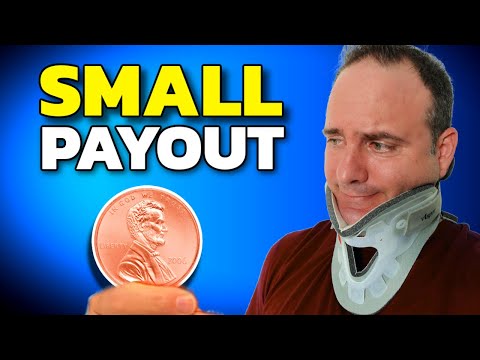
First off, the average payout for car accident claims can really vary. It’s not just a flat number. There are loads of factors at play! Generally speaking, payouts can range from a few hundred pounds for minor injuries to tens of thousands or even more for serious cases.
One big factor is the type and severity of your injuries. For instance, if you’ve just got a bruised knee, your compensation will likely be much lower than if you’ve suffered something serious like fractured bones or head injuries.
Anecdotally, I once heard about someone who got involved in a minor fender bender. They thought they could sort things out on their own without involving insurance companies—until they realized they had some nagging pain that wouldn’t go away. They ended up with just £1,500 for their soft tissue injury after going through all the legal hoops.
Then there’s also how much damage was done to your vehicle. If your car is a write-off due to the accident, you might receive substantial compensation not only for your injuries but also for the vehicle itself. That could be thousands!
You should also consider any costs related to being unable to work or needing assistance after an accident. This type of claim is called lost earnings or “general damages,” and it can significantly increase your payout.
Now, let’s talk about what happens when it comes time to settle things with insurance companies or other parties involved:
- The first offer isn’t usually what you’ll end up with.
- You have every right to negotiate.
- If liability is disputed, that may slow down the process.
- Your medical records will play a key role.
Another thing that often gets overlooked is legal fees. Sometimes people think they’ll end up with less money if they hire someone to help them out legally—but having expert help can actually mean higher payouts because lawyers know how to argue effectively on your behalf.
If you’re feeling lost about all this stuff—don’t sweat it too much! It’s perfectly fine to seek advice from professionals who handle these types of claims regularly. Just remember, every situation is unique; so know that averages won’t always apply directly to yours.
In summary: average car accident payouts depend greatly on injury severity and damage caused but typically range from hundreds to potentially tens of thousands of pounds! Keep everything in mind when dealing with settlements—knowing what affects your claim gives you an edge!
So there you have it! If you find yourself dealing with an incident like this in the future, at least now you’ve got some insights into what might come next!
Factors Influencing Compensation Payout Amounts in the UK: A Comprehensive Guide
When you think about compensation payouts in the UK, especially related to traffic accidents, a lot comes into play. The amount you’ll get—or that you might have to pay—depends on various factors. Let’s break down what influences these figures.
Severity of Injuries: This is probably the biggest factor in determining how much compensation you can get. If someone’s suffered serious, long-term injuries, they’ll likely receive more than if it was just a minor bump or bruise. For example, a broken leg could lead to thousands in compensation, while a scratch might not even hit the minimum threshold.
Impact on Daily Life: How has your life changed since the accident? If injuries prevent you from going to work or enjoying your hobbies, that can increase your payout. Imagine you were an avid runner and now can barely walk—your pain and suffering will weigh heavily on the amount offered.
Medical Expenses: All those doctor visits, treatments, and therapies? They add up fast! You’re entitled to claim for past and future medical costs directly related to the accident. So don’t forget about those!
Loss of Earnings: If you’re unable to work because of your injuries, that also factors into the payout equation. The more time off work you need—due to either physical or emotional distress—the larger your claim might be. Just picture someone who usually makes good money but ends up sidelined for months; they’d want compensation for that lost income.
Pain and Suffering: This is where things get a bit tricky because it’s pretty subjective. What one person considers painful may be different for someone else. Courts often look at how injuries affect both mental and physical health over time.
Liability Determination: It’s key here; if it’s established that the other party was at fault, then you’re likely in a better position for securing higher compensation amounts. Look at it this way: if you were hit by someone who ran a red light versus if you were texting while driving yourself—you can see how fault plays into it all.
Evidential Support: Having strong evidence helps solidify your case and can influence settlement amounts significantly. Keep that in mind! Things like witness statements, police reports, or even photographic proof of damages provide weightiness to your claims.
Insurance Policies: Finally, understand that insurance coverage affects payouts too. Each insurer has limits on what they’ll pay out based on their policies or coverage terms.
So yeah, when navigating traffic accident settlements in the UK—or looking at potential payouts—it really boils down to these factors above affecting compensation amounts. They shape everything from initial settlement offers right through to what gets finally agreed upon during negotiations with insurers or court proceedings.
Feeling confused is normal! It’s one tangled web when dealing with everything from claims processes to negotiations with insurers—each element holds weight in determining what goes into your pocket after an accident settles down.
Understanding the Timeline: How Long Does a Car Accident Claim Take to Settle in the UK?
Sure! Let’s take a look at the timeline for settling a car accident claim in the UK. You might find it helpful to know that the length of time can really vary, depending on a few different factors.
First off, after an accident, you’ll usually need to gather all sorts of information. You’re talking police reports, witness statements, and maybe even medical records if you’ve been hurt. This process can take anywhere from a couple of days to several weeks. So, right off the bat, that’s where some time can get eaten up.
Next steps would typically involve notifying your insurance company – they’ll want to know what happened as soon as possible. When you file your claim with them, they often start their investigation right away. This might take a couple of weeks too.
If liability is clear (that means someone is obviously at fault), the whole thing can move along faster. But if there’s any dispute about who caused the accident or if both parties share responsibility? Well, that could slow things down quite a bit.
Once everyone’s on the same page about fault, then it moves onto assessing damages—basically figuring out how much money is owed because of injuries and losses incurred during the accident. You know how sometimes injuries don’t show up right away? Like if you feel fine immediately but start having pain days later? Well, you might need to wait until you fully understand your injuries before settling up.
This stage can take several months because medical treatment often follows its own timeline—physiotherapy sessions or follow-up consultations may be needed before anyone presents a final figure for compensation.
Now let’s say everything progresses smoothly after that; you’ve got your medical records and all evidence lined up nicely! You’d then make an offer to settle out of court (most claims are settled this way). The other party’s insurer will review that offer—you’re looking at possibly another few weeks while they consider what to do next.
If they accept your settlement offer? Fantastic! That could mean money in your pocket within just a few weeks after agreement. However, if they don’t accept or come back with a counter-offer… well then we’re talking potentially months more of back-and-forth negotiations!
In cases where disputes remain unresolved and court action is necessary—yup—it definitely gets longer from there. Going through litigation often takes **over a year**!
So basically:
- Gathering info: Days to Weeks
- Notifying insurance: A few weeks
- Assessing damages: Several months
- Negotiating settlement: Weeks to Months
- Court litigation (if needed): Over a year
Just remember though—you’ve got rights here as someone involved in an accident! If you’re feeling overwhelmed by this whole process? It’s totally okay to seek support or guidance from others who’ve gone through similar situations.
So there you have it—the timeline for settling car accident claims can be lengthy depending on various factors like how straightforward everything is and whether both parties agree quickly on who was at fault. Just stay patient—you’ll get there!
So, you’ve been in a car accident, right? That whole experience can be just overwhelming. You might feel shaken up, worried about your health, and then there’s this all-important question: what happens next? Settling after a traffic accident can seem like a maze with so many twists and turns.
When you’re dealing with the aftermath of an accident, it’s important to understand that you have rights. Let’s say you’re at the scene. You’re probably thinking about getting your car fixed and how to cover any medical bills that crop up later. If it’s not your fault, it seems only fair that someone else should pick up the tab, right? But then what do you do? How do you even start?
Once things have settled down—pun intended—you’ll probably find yourself needing to engage in negotiations with the other driver’s insurance company. This is where settlement agreements come into play. They’re essentially a way to agree on compensation without necessarily going through a court battle.
But here’s the tricky part: those offers from insurance companies might look tempting at first glance. They want to wrap things up quickly, which sounds nice and all but often means they’re trying to shortchange you. It’s like being offered a smaller slice of cake when you’d rather have the whole thing! So being cautious is key; take your time to consider what you truly need for recovery—medical costs, lost wages, emotional distress—all those factors matter.
Let me tell you a quick story: A friend of mine got into an accident last year. She was so eager to move on that she accepted the first offer she received from her insurer. Spoiler alert: it didn’t cover her ongoing physiotherapy sessions or even half of her car repairs! It was tough watching her go through that frustration after believing she’d handled everything properly.
You might want to think about consulting with an expert who can help decipher those complex terms in settlement agreements and make sure you’re not missing something crucial. There are no dumb questions when it comes to this stuff! Being informed gives you leverage—knowing what’s fair helps prevent those regretful “what if” moments later on.
Navigating traffic accident settlements isn’t exactly fun or easygoing; however, taking the time to really assess your situation will definitely pay off in the long run. Life has its bumps along the road (literally), but understanding your rights and options makes those bumps feel just a bit smoother.