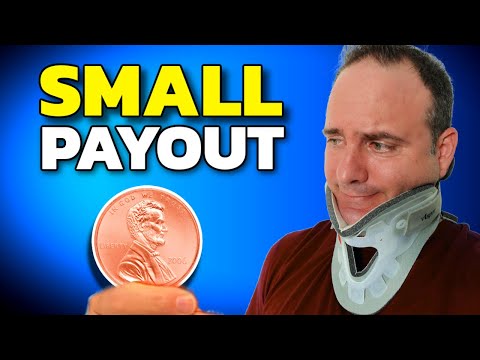
You know, I once saw a guy on a bike come flying by in the middle of a rainy day. He looked like he was having the time of his life, dodging puddles and cars! But then—bam!—he hit a pothole and went flying. It was wild.
Cycling is such an amazing way to get around. Seriously, who doesn’t love the wind in their hair? But it comes with its risks, right? Accidents happen, and they can be tough to navigate.
The information on this site is provided for general informational and educational purposes only. It does not constitute legal advice and does not create a solicitor-client or barrister-client relationship. For specific legal guidance, you should consult with a qualified solicitor or barrister, or refer to official sources such as the UK Ministry of Justice. Use of this content is at your own risk. This website and its authors assume no responsibility or liability for any loss, damage, or consequences arising from the use or interpretation of the information provided, to the fullest extent permitted under UK law.
If you ever find yourself in a situation where you’re injured while cycling, it’s good to know your rights. I mean, not everyone knows what to do next or how to make a claim.
That’s what this chat is all about! We’ll dig into your legal rights after a cycling accident in the UK, so you don’t have to feel lost or overwhelmed if something happens. Let’s break it down together!
Bicycle Accident Compensation Calculator: Estimate Your Claim Amount with Confidence
When it comes to bicycle accidents, it can be a real headache trying to figure out what you might be able to claim. A **bicycle accident compensation calculator** could really help you get your head around what you’re entitled to. So let’s break it down, shall we?
First off, you need to know what factors play into how much compensation you could receive after an accident. It’s not just about the damage to your bike or the medical bills – there’s a lot more involved.
Key Components of a Compensation Claim:
- Medical Expenses: This includes any treatment you’ve received because of the accident. Whether it’s hospital bills or physiotherapy, these costs add up pretty quickly.
- Loss of Earnings: If you’ve had to take time off work due to injuries, that’s something you should consider claiming for too. It can feel like a double whammy when you’re not only in pain but also losing money.
- Pain and Suffering: Yep, this is part of it too. If you’re dealing with ongoing pain or emotional distress from the accident, those feelings can factor into your compensation.
- Property Damage: Don’t forget about your bicycle! Repairing or replacing it can cost quite a bit, and that’s something you’ll want covered.
Now, picture this: You’re riding your bike on a sunny day when suddenly someone opens their car door right in front of you. Ouch! After the accident, you find yourself at the hospital getting checked out for injuries. And then there are all those bills piling up.
So where does the calculator come into play? Well, these calculators often ask for specific details about your injuries and financial losses. You’ll input things like:
- Your age
- The severity of your injuries
- Your earnings
- Any particular circumstances surrounding the accident
Let’s pretend you’re dealing with a fractured wrist and some minor road rash. That might lead to a few weeks off work as well as expenses for medication and treatment.
Using an online calculator could give you an estimate range for how much compensation might be due after considering those injury details and financial losses.
But hang on! It’s important to remember that while these calculators are helpful tools for estimating potential claims, they’re not set in stone. Every case is unique based on its specifics—like who was at fault—for example!
Factors such as whether other parties have insurance policies can also play into how much you’ll actually get if you pursue legal action.
And don’t forget about time limits! In the UK, you’ve generally got three years from the date of the accident to make your claim; otherwise, you could lose out completely on any potential compensation.
In summary: using a **bicycle accident compensation calculator** can give you some peace of mind when estimating claims but remember it’s just one piece of a bigger puzzle. Each situation has its nuances that affect outcomes significantly. So while calculators are great starting points, chatting with someone knowledgeable about cycling accidents—like legal professionals—can provide clarity too!
If you’ve been in an unfortunate situation like a cycling accident, don’t hesitate to seek help so that you’re aware of all your options going forward—and get what’s rightfully yours!
Understanding Your Rights: Can You File a Claim if a Cyclist Collides with Your Car?
If a cyclist collides with your car, it’s a pretty stressful situation, right? Knowing what to do can be tricky, and understanding your rights is super important. So let’s break it down together.
Firstly, you might be wondering: Can you file a claim? Well, the short answer is yes. If the accident was caused by the cyclist’s negligence, you’re within your rights to seek compensation for any damage to your car or injuries sustained. Think of it like this—you wouldn’t let someone else wreck your property without some sort of recourse!
Now here are some key things to consider:
- Determine fault: This is crucial. If the cyclist was riding recklessly or ignoring traffic rules, you could have grounds for a claim. However, if they were following the rules (like riding in a bike lane), things might get murkier.
- Gather evidence: Take pictures of the scene! Document everything—your car damage, where the collision happened, and even details like traffic signals or road signs. You never know how useful this could be later on.
- Witnesses can help: If there were other people around who saw what happened, ask for their contact info! Statements from witnesses can strengthen your case significantly.
- Report the incident: Always report an accident to the police if there are injuries or significant damage. They’ll create an official report that could come in handy later.
You might also find yourself thinking about insurance at this stage. If you need repairs for your vehicle, your insurance company will likely want details about how the collision occurred. If you were not at fault and can prove it, they should support you during this process.
This brings us to what happens after a claim is filed. If successful, you could receive compensation that covers repair costs and may even include anything like lost wages if you’re unable to work due to injuries from the accident. But keep in mind—it doesn’t always go smoothly! Sometimes negotiations take time.
A little emotional side note—imagine dealing with stress after a collision only to find out there’s complexity around claiming what’s rightfully yours. It’s frustrating! So having a clear understanding of your rights makes all the difference when navigating this minefield.
The reality is accidents involving cyclists can be complicated due to shared responsibilities on road safety. Each case can vary widely based on specific circumstances—so don’t hesitate to consult someone who knows legal stuff well if you’re feeling lost!
The bottom line? You have rights when it comes to cycling accidents involving cars! File that claim if you’ve been wronged and ensure you do everything by the book along the way.
What to Do If Your Car Is Damaged by a Child’s Bike: Essential Steps and Considerations
So, let’s say you’re parked up on your street, and suddenly, your car gets smacked by a kid’s bike. Not exactly the kind of surprise you want, right? Here’s what you can do if this happens.
First things first, stay calm. Accidents happen. It’s important to assess the situation before jumping to conclusions or making rash decisions. Check your car for damage and see how severe it is. It might just be a scratched bumper or could be something more serious.
Next step: Talk to the child, if they’re around. Make sure they’re okay. You know how kids can be—sometimes they’re more shaken up than hurt! If they’re old enough to understand, kindly ask them what happened.
Now, if the child is under 16, you need to know that they cannot generally be held legally responsible in the UK. So, it might not be straightforward when it comes to claims and costs. That said, if an adult was supervising or if there’s someone accountable (like a parent), this could change things.
Document everything. Seriously! Take photos of your car and any damages caused by the bike. Get witness details if there are any nearby people who saw what happened—they can help later if needed.
You might also want to take note of where this went down—the street name and time are important too! Sometimes it helps to sketch a rough diagram of the scene (no need for fancy art skills here).
After that, check your insurance policy. Many policies cover accidents like this even when it’s not typically someone else’s fault. Ring them up and let them know about the incident; they’ll guide you on how to proceed with a claim if necessary.
In case you’re looking into **cycling accident claims**, keep in mind that even though kids can’t legally be held responsible sometimes, there are instances where you could claim against an adult (maybe one who’s liable for their actions).
Also, should your vehicle need repairs because of this incident, get estimates from local garages but don’t rush into getting anything fixed until you’ve spoken with your insurer.
Finally, keep in touch with anyone involved. If you’ve got contact details from parents or guardians of the child involved, stay open with communication about how you’re handling everything—it just makes life easier down the line.
You’ve got rights as a vehicle owner in these situations—you shouldn’t have to pay for damages caused by someone else’s negligence (even if they’re small). Just remember: accidents happen all over—staying cool-headed helps everyone involved deal better with what’s next!
You know, cycling can be one of the most freeing experiences. Feeling the breeze on your face, cruising through streets or parks—it’s honestly a lovely way to unwind. But then, out of nowhere, things can take a turn for the worse. Imagine you’ve had a nice ride, and suddenly you’re involved in an accident. It can be shocking and distressing.
If this ever happens to you, understanding your rights under UK law is crucial. Basically, if another party is at fault—maybe a careless driver—you could be entitled to compensation for any injuries or damages you suffer. It’s not just about the physical pain; it can really mess with your mental health too. Seriously, I heard about someone who got hit by a car while cycling home from work. They were shaken up for ages and worried about their finances on top of everything else.
So here’s the thing: if you’re injured in a cycling accident that wasn’t your fault, don’t let yourself feel overwhelmed or powerless. You’ve got legal rights that can help you get back on track—financially and emotionally. First off, gathering evidence is super important right after an accident happens. Take photos of the scene if you’re able to; it’s like having your own little treasure chest of proof later on.
Also, speaking to witnesses who saw what happened can really make a difference in how your claim plays out later on. You know? Their accounts could back up your side of things when you’re looking into making a claim against the other party—or even their insurance company.
And here’s something you might not realize: reporting the accident is key! You’ll want to inform local authorities so they have record of what went down, plus it might help prevent similar accidents in the future.
Now about those claims—if you’re thinking about claiming compensation for things like medical expenses or lost earnings during recovery time, you might want to seek legal advice from someone who’s knowledgeable in this area! It’s not mandatory but having that kind of support can help navigate all those complicated details.
Ultimately though? It’s important to prioritize healing over everything else after an accident—you don’t wanna rush that process just because things are getting confusing legally! Your well-being is priority number one—it always should be. So when life throws these unexpected hurdles at you—just remember there are people and laws ready to help pick you up again!