
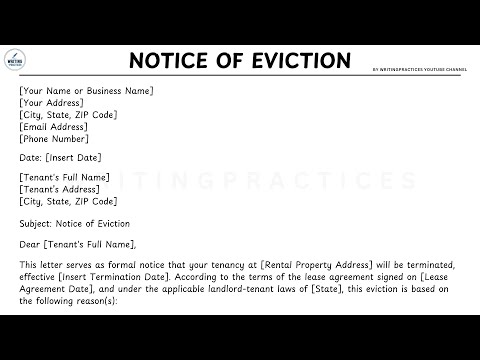
You know what’s a bit wild? The number of people who think a tenancy letter is just a piece of paper. Like, seriously! It’s actually way more than that. It can make or break your rental experience.
Imagine this: you’re all set to move into your new place. Excitement is bubbling, and then boom! You find out there’s something off with your tenancy agreement. Not cool, right? That’s why getting it right from the start is super important.
The information on this site is provided for general informational and educational purposes only. It does not constitute legal advice and does not create a solicitor-client or barrister-client relationship. For specific legal guidance, you should consult with a qualified solicitor or barrister, or refer to official sources such as the UK Ministry of Justice. Use of this content is at your own risk. This website and its authors assume no responsibility or liability for any loss, damage, or consequences arising from the use or interpretation of the information provided, to the fullest extent permitted under UK law.
So, if you’re renting or thinking about it, you might want to pay attention to the details. Trust me; understanding how to draft a proper tenancy letter for legal compliance is totally worth your time. Let’s break it down together!
Essential Guide to Writing a Tenancy Notice Letter in the UK: Tips and Templates
Writing a tenancy notice letter can feel a bit daunting, but it doesn’t have to be! It’s just about knowing what you need to include. Whether you’re a tenant or a landlord in the UK, getting this right is crucial for legal compliance and smooth transitions. Let’s break it down.
Understanding the Purpose
The first thing to remember is that a tenancy notice letter serves as formal communication regarding the end of a tenancy agreement, or perhaps for seeking repairs or addressing issues. Knowing exactly what you want to say will make it easier.
Key Components
When drafting your letter, there are some important elements that you should always include:
- Your details: Include your full name and address.
- Recipient’s details: This could be your landlord or tenant—include their name and address.
- Date: Always date the letter so there’s no confusion later.
- Notice period: Specify how much notice you are giving (usually one month for tenants). This needs to align with your rental agreement.
- Reason for the notice: If applicable, state why you’re giving notice. For example, maybe you’re moving out or ending the contract because something is wrong with the property.
- Action required: Clearly state if any action needs to be taken—like returning keys or scheduling an inspection.
- Your signature: Don’t forget to sign it!
An Example Format
So here’s how a simple tenancy notice letter could look:
[Your Name]
[Your Address]
[City, Postcode]
[Email/Phone Number]
[Date]
[Recipient’s Name]
[Recipient’s Address]
[City, Postcode]
Dear [Recipient’s Name],
I’m writing to formally notify you that I will be vacating the premises at [Property Address] on [Move-Out Date]. This gives you [Notice Period] notice as per our tenancy agreement.
The reason for my leaving is [brief reason]. I would appreciate if we could schedule a time for an inspection before my departure.
Please let me know if there’s anything specific you’d like me to do before I move out.
Thank you for your understanding.
Kind regards,
[Your Signature]
[b]Your Emotional Touch
Now, I remember moving out of my first rented flat—what an experience! I was nervous about writing my tenancy notice letter. But once I jotted down what I needed in clear terms, it felt like lifting a weight off my shoulders! My landlord appreciated my straightforwardness too. So yeah, clarity goes a long way!
Tips for Success
Here are some practical tips when you’re putting together that letter:
- Stay polite: Even if things didn’t go well during your tenancy, it helps maintain good relationships.
- Edit and proofread: Double-check your letter for any mistakes. You want everything clear!
- Keeps copies: Always keep a copy of everything you send out—just in case!
So there you have it! Writing a tenancy notice letter doesn’t have to be stressful; just follow these guidelines and express yourself clearly. Good luck with yours!
Essential Guide to Writing a Tenancy Agreement in the UK: Tips and Best Practices
Writing a tenancy agreement in the UK can seem daunting, but it’s really just about laying out the rules. You know, it’s like making sure everyone knows what’s expected from them. A good agreement helps protect both you and your tenant. Let’s break it down.
What is a Tenancy Agreement?
A tenancy agreement is a contract between a landlord and a tenant. It outlines the terms under which the tenant will rent property from the landlord. Basically, it’s your way of saying, “Here are the rules for living in my space.”
Types of Tenancy Agreements
There are mainly two types of tenancy agreements:
- Assured Shorthold Tenancy (AST): This is the most common type in England and Wales. It usually lasts for six months or more.
- Standard Tenancy: This might not come with the same protections as an AST but can be useful in specific circumstances.
Understanding which type you’re going to use is super important because it affects your rights as well as those of your tenant.
Key Elements to Include
When you’re drafting your agreement, make sure to cover these crucial points:
- The Names: Clearly state who the landlord and tenant are. No mix-ups here!
- The Property: Describe the property being rented. That could be just an address or even include details about rooms or facilities.
- The Rent: Specify how much rent is due and when it’s payable. Also mention how it should be paid – bank transfer, cash, whatever you agree on.
- The Duration: State how long the tenancy will last—whether it’s fixed-term or periodic (like rolling month-to-month).
- The Deposit: If you’re taking a deposit, explain how much it is and where it’ll be held. You have to protect this deposit using a government-approved scheme!
These parts set up clear expectations from day one.
Your Responsibilities
Both landlords and tenants have responsibilities under UK law. It would help to outline these in your agreement:
- Laws on Repairs: Landlords must keep properties habitable—not just nice-looking! Mark down who does what when things break.
- Bills and Utilities:: Make clear who pays for things like water or gas—often tenants handle that.
This way, there’s less chance of disputes later on.
Anecdote Time!
A friend once told me about his first experience as a landlord. He didn’t put any details about repairs in his agreement because he thought they wouldn’t matter much—big mistake! When things started breaking down, he ended up spending loads trying to patch things up while his tenant was frustrated over living conditions. Trust me; having those rules clearly laid out saves headaches!
Additional Considerations
You might also want to consider adding clauses related to:
- Pets:: Are they allowed? Lay out any restrictions if necessary.
-
No smoking policies;
: You may want to limit smoking inside for health reasons.
These little extras can help avoid conflict later.
The Final Touches
How to Create Your Own Tenancy Agreement in the UK: A Step-by-Step Guide
Creating your own tenancy agreement in the UK can seem daunting, but it’s not as tricky as you might think. Having a solid agreement is super important for both landlords and tenants. So, let’s break this down so it feels manageable, shall we?
First things first, what is a tenancy agreement? It’s basically a contract between you (the landlord) and your tenant that outlines the rights and responsibilities of both parties. You want to nail this down to avoid any misunderstandings or disputes down the line.
Here’s how to go about creating one:
1. Basic Information
Start with the basics. Include:
You know, it just makes everything crystal clear from the get-go.
2. Tenancy Duration
Next up is how long the tenancy will last. Will it be a fixed-term tenancy, like six months or a year? Or are we talking more about a periodic tenancy that’s month-to-month? You should mention the start date here too. The clearer you are, the better!
3. Rent Details
Now, let’s talk money—everyone’s favorite subject, right? Specify:
Just imagine your tenant scratching their head trying to remember when they owe rent; if you spell it out for them, it saves everyone hassle.
4. Deposit Information
If you’re taking a deposit (which most landlords do), include information about:
This helps avoid disputes when it’s time to get back that cash.
5. Rights and Responsibilities
Here comes the nitty-gritty part! Outline everyone’s obligations clearly:
– What maintenance tasks are on you as the landlord?
– How should tenants report repairs?
– Are there any rules around noise or pets?
Real-life example: If there’s an issue with heating in winter, defining who takes care of that can save some serious back-and-forth later on.
6. Ending the Tenancy
You’ll want to specify how either party can terminate this agreement.
– Do you need to give notice? How much notice?
– What conditions apply?
You don’t want someone saying “I thought I could leave whenever!”
7. Legal Requirements
It’s crucial to ensure your agreement meets legal standards.
– Include an energy performance certificate (EPC).
– Provide gas safety records if applicable.
These aren’t just nice-to-haves; they’re requirements!
Once you’ve drafted everything up:
Edit & Review
Have another read through it. Does it make sense? Are there any areas that could lead to confusion?
Create Copies
After finalizing it all, make copies for everyone involved—both landlord and tenant should keep one.
In short: A well-drafted tenancy agreement not only protects you but also sets a positive tone for tenant relationships!
Remember: It might feel like doing homework at first but getting this sorted means less stress in future chats! Seriously! If both sides know what’s expected from each other—it leads to smoother sailing ahead!
So, let’s chat about drafting a tenancy letter, shall we? You know, when someone is renting a place, it’s super important that everything is laid out clearly. A well-drafted tenancy letter not only keeps things above board but also helps prevent any misunderstandings between landlords and tenants.
Imagine you’re moving into a new flat. You’re excited, maybe even nervous. The last thing you want is to get tangled up in legal mumbo jumbo, right? Or to find out later that things weren’t as clear as they should’ve been. Having a solid tenancy letter can really ease those concerns.
Now, a tenancy letter is basically your official agreement. It should outline the terms of the rental, like how much rent you’ll be paying and when it’s due. But it’s not just about numbers; it also covers things like how long your lease will last and what happens if either party wants to end it early. This clarity not only protects your rights but also gives everyone peace of mind.
Take my mate Lucy for example. When she rented her first flat, she didn’t pay much attention to the details in her tenancy letter. It turned out there were some hidden clauses about repairs that caused issues down the line. She felt pretty overwhelmed trying to figure things out after she moved in. If only her landlord had made those details clearer from the start!
A good tenancy letter can help avoid situations like that by being transparent about responsibilities—like who’s in charge of fixing leaky taps or dealing with mould if it pops up. So when drafting one, think carefully about what needs to be included and make sure everything’s easy to understand.
And let’s not forget the importance of legal compliance! Failing to meet certain requirements can lead to real headaches for landlords and tenants alike. Things like ensuring the property has an Energy Performance Certificate or following safety regulations are crucial aspects that should never be overlooked.
In short, when you’re writing up a tenancy letter—or reviewing one—think of it as laying down a foundation for good communication and mutual respect between landlords and tenants. It’s worth taking the time upfront so that everyone knows what they’re signing on for! Honestly, who doesn’t want a smooth renting experience? The thing is, clarity in agreements leads to happier living conditions all around!


