
You know that moment when you realize your landlord forgot to mention that the building’s heating is basically a myth? Yeah, been there. Or maybe you’ve got a flatmate who thinks cleaning is an optional activity. Fun times, right?
Well, when it comes to tenancy agreements in the UK, things can get pretty messy too—literally and figuratively. Drafting a tenancy notice letter might feel like you need a law degree or something. But don’t worry! It’s not as daunting as it sounds.
The information on this site is provided for general informational and educational purposes only. It does not constitute legal advice and does not create a solicitor-client or barrister-client relationship. For specific legal guidance, you should consult with a qualified solicitor or barrister, or refer to official sources such as the UK Ministry of Justice. Use of this content is at your own risk. This website and its authors assume no responsibility or liability for any loss, damage, or consequences arising from the use or interpretation of the information provided, to the fullest extent permitted under UK law.
Whether you’re saying goodbye to your oversized room or giving notice to your landlord, knowing how to write one properly can save you loads of headaches down the line. So let’s chat about what goes into that letter. You’ll be drafting it like a pro in no time!
Essential Guide to Writing a Tenancy Notice Letter in the UK: Tips and Templates
Alright, let’s dive into what you need to know about writing a **tenancy notice letter** in the UK. It can feel a bit daunting, but with a simple structure and clear ideas, you’ll be sorted in no time.
First off, you need to understand that a tenancy notice letter is basically your formal way of telling either the landlord or tenant that you want to end the rental agreement. This letter is key because it lays everything out clearly.
Types of Tenancy Notices
There are a couple of different types depending on your situation:
- Section 21 Notice: This is for landlords who want their tenants to leave at the end of a fixed term or after a rolling tenancy.
- Section 8 Notice: Used when there are specific grounds for eviction, like rent arrears or breaking other terms of the tenancy agreement.
Your Letter Structure
So, what should you include in your letter? Here’s how to structure it:
1. **Date:** Start with the date at the top; it’s super important.
2. **Your Address:** Then, include your address (the sender’s). If you’re the tenant, put this here.
3. **Recipient’s Address:** Next up is the landlord or tenant’s address.
4. **Subject Line:** Something simple like “Notice of Termination” works perfectly.
5. **Greeting:** You can go with “Dear [Landlord’s Name]” or “Dear [Tenant’s Name].”
Now for the body part:
– **State Your Intention Clearly:** Get right to it! For example: “I am writing to give notice of my intention to vacate the property located at [Property Address] on [Date].”
– **Reason (Optional):** You don’t have to give a reason, but if you feel inclined, keep it polite and straightforward: “Due to personal reasons…” always works.
– **Next Steps:** Mention any next steps: “I will ensure all outstanding rent is paid and that I leave the property in good condition.”
– **Contact Information:** End with your phone number or email for communication.
Example Closing
Wrap it all up nicely!
“Thank you for your understanding.”
“Yours sincerely,”
Then sign off with your name.
A Few Tips
- Keep It Professional: Even if you’re frustrated, it’s best not to vent in this letter.
- Send It Correctly: Make sure you’re sending it via recorded delivery or another verifiable method so you’ve got proof.
- Check Your Lease Agreement: Sometimes there are specific rules about how much notice needs to be given; be sure you know those!
Writing this kind of letter isn’t just about ticking boxes; it’s about making sure you’ve got everything covered legally—because trust me, no one wants misunderstandings down the line!
And just remember, whether you’re renting or letting out a property yourself, being clear and courteous goes a long way.
Essential Guide to Writing a Notice Letter to Your Tenant: Tips and Best Practices
Writing a notice letter to your tenant can feel daunting. You want to get it right, you know? A well-drafted notice can make all the difference in a smooth landlord-tenant relationship. Let’s break it down.
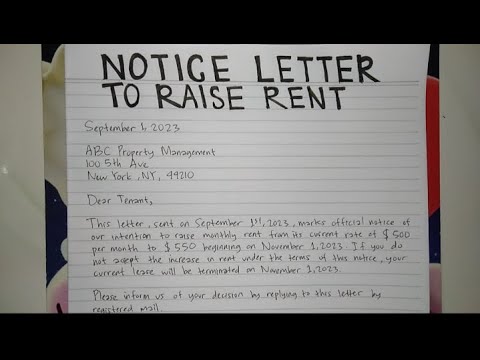
First off, the type of notice you need depends on the situation. Are you trying to end the tenancy? Is there an issue with rent payments? Or maybe you’re looking to raise the rent. Each scenario has different requirements, so understand what you’re dealing with.
The Basics of Notice Letters
When drafting your letter, keep these key points in mind:
- Date: Always include the date at the top. It shows you’re organized and provides a reference for both parties.
- Your details: Put your name and address. This makes it clear who is sending the notice.
- Your tenant’s details: Include their name and address too. It’s essential for clarity.
- Subject line: A brief subject line helps set the tone, like “Notice to Quit” or “Rent Increase Notification.”
Now, just imagine being in your tenant’s shoes. If they receive a letter that’s vague or looks just a bit unprofessional, they might panic or even misunderstand what’s going on.
Clear Language is Key
Your letter should be straightforward and polite—no jargon! Use simple language to explain the situation. For example:
“Dear [Tenant’s Name], I hope this message finds you well. I am writing to inform you that I will be increasing your rent by £50 per month starting from [effective date].”
Plain and simple! This way, there are no grey areas.
Specify Timeframes
Depending on what type of notice you’re giving, mentioning deadlines is crucial. If it’s a notice to leave (like a Section 21 or Section 8 notice), specify how much time they have before they need to vacate:
“You are required to vacate the property by [date], which gives you [notice period] from today.”
Remember: Section 21 notices require at least two months’ notice for periodic tenancies; while Section 8 depends on specific grounds for eviction.
Add Important Information
If applicable, mention anything important related to your agreement:
- If they need to return keys.
- How you’ll handle their deposit.
- If there will be any final inspections.
This shows respect and consideration for their situation.
Sign Off Properly
Don’t forget that closing! Sign off with something like “Best regards” or “Sincerely,” followed by your name. A signature adds a personal touch too!
For example:
“Thank you for understanding,
[Your Name]”
And always keep a copy of this letter for yourself—it’s good legal practice!
In sum, writing a notice letter might seem tricky but breaking it down into simple steps helps make it manageable. Think about how you’d like something communicated if roles were reversed, stay polite and clear—you’ll be just fine!
Essential Guide to Writing a Tenancy Agreement in the UK: Key Tips and Best Practices
Writing a tenancy agreement in the UK can seem like a chore, but it’s super important for both landlords and tenants. A clear contract helps avoid misunderstandings down the line. So, here are some key tips and best practices to consider when drafting one.
Start with Basic Information. You’ll need to include essential details like the names of both parties—landlord and tenant—and the address of the property being rented. Also, write down the start date of the tenancy and how long it will last. Having this upfront makes everything clearer.
- Rent Amount: Specify how much rent is due and when it should be paid. Monthly? Weekly? Be specific here.
- Deposit Details: Mention how much the deposit is (usually five weeks’ rent) and where it will be kept. You have to protect that deposit in one of the government-approved schemes.
- Utilities and Bills: Clarify who pays for what. Is it just rent or do you need to cover utilities like gas, electricity, or water?
It’s really helpful to think about tenant rights and responsibilities. They should know what they can and cannot do while living in your property. For example, can they have pets? Are there rules about smoking? Laying this out helps everyone understand the expectations.
Another crucial point is termination clauses. You should explain how either party can end the tenancy if needed. Include notice periods – usually 2 months for landlords under Section 21 notices but make sure you get this right!
Think about including a repair clause, too. It’s essential to clarify who’s responsible for maintaining the property. Tenants might think it’s all on you, while you might expect them to take care of minor issues.
Also, don’t forget about including insurance obligations. It’s wise for landlords to have building insurance and tenants might want contents insurance as well.
Here’s something not to overlook: always keep it fair! In case things do get heated later on—like if a dispute arises—you want a document that feels balanced, right?
Finally, when it comes time to sign everything off, both parties should get copies of that agreement. This way no one feels left out or confused later on.
In short, writing a solid tenancy agreement doesn’t have to be hard work but there are definitely some essentials that you shouldn’t miss out on! With these tips in mind, you’ll set up an agreement that protects both sides but also creates clarity from day one—super important for everyone involved!
So, you find yourself in a situation where you need to draft a tenancy notice letter. It’s one of those things that doesn’t seem like a big deal at first, but it can really set the stage for how things play out. I remember my friend Lucy, who was renting in London. She had been going through a bit of a rough patch with her landlord. The relationship had soured over time—missing maintenance issues and late rent payments didn’t help much. Eventually, she decided it was time to move on.
Now, writing the letter wasn’t as straightforward as she thought it would be. It’s not just about scribbling down your intent to leave or increase rent; it has some legal weight behind it. You’ve got to follow certain rules depending on the type of tenancy you have, which can feel kinda overwhelming!
In the UK, for example, if you’re on a periodic tenancy (that’s like a rolling month-to-month agreement), you need to give at least one month’s notice if you’re paying rent monthly. But if you’re in a fixed-term tenancy? Well, that’s when it gets more complicated because you usually have to wait until the end of that term unless there are specific reasons like breaches of contract.
When drafting your letter, clarity is key—just being direct and polite goes a long way. You really want to include who’s involved (that means names and addresses!), the date you’re sending it, and then clearly state your intention—be it terminating the tenancy or informing about an increase in rent or something similar.
Lucy ended up using quite a simple template she found online but personalized it with her situation and tone. It felt so much better for her knowing she’d put everything in writing clearly! She included an emotional touch too—thanking her landlord for their hospitality over the years while also emphasizing how important it was for her to move on.
And while it’s easy to overlook this step as just formal paperwork, I think it’s super important. Not only does sending a proper notice protect your rights as a tenant but also helps avoid any nasty surprises down the line! Plus, having that written record is crucial; if any disputes arise later on with your landlord over the notice period or conditions for leaving, you’ll be glad you dotted your i’s and crossed your t’s.
Overall, drafting that tenancy notice letter was more than just fulfilling a formality for Lucy; it marked her transition into what came next in her life—and that made all the difference!


