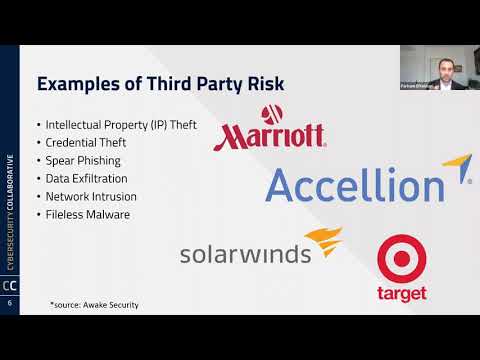
You know, it’s wild how one cyber-attack can ripple through an entire country. It’s like a pebble hitting a pond and sending waves everywhere. Remember when SolarWinds got hacked? That was a pretty big deal, right?
In the UK, folks started asking serious questions. What does this mean for our data? For our businesses? Even for our government? It’s kind of scary to think about.
The information on this site is provided for general informational and educational purposes only. It does not constitute legal advice and does not create a solicitor-client or barrister-client relationship. For specific legal guidance, you should consult with a qualified solicitor or barrister, or refer to official sources such as the UK Ministry of Justice. Use of this content is at your own risk. This website and its authors assume no responsibility or liability for any loss, damage, or consequences arising from the use or interpretation of the information provided, to the fullest extent permitted under UK law.
The thing is, those questions don’t just float around aimlessly. They have legal implications that could affect you and me in ways we might not even realize. So let’s break it down and explore how this breach shakes up the legal landscape over here. Sound good?
Consequences of Data Breaches in the UK: Legal, Financial, and Reputational Impacts
The data breach involving SolarWinds has sent ripples through the cybersecurity landscape, especially for companies in the UK. You may be wondering what happens when such breaches occur, particularly regarding legal, financial, and reputational consequences. Let’s break it down.
So, first things first, **data breaches** can lead to serious **legal implications**. Under the UK General Data Protection Regulation (GDPR), organizations are legally obligated to protect personal data. If they fail to do so and suffer a breach, they could face hefty fines. These can be as high as 4% of their global annual turnover or £17.5 million—whichever is greater! That’s a lot of cash down the drain if your systems get hacked.
But it’s not just about fines; there are also **regulatory investigations** that can follow. The Information Commissioner’s Office (ICO) has the authority to investigate breaches and enforce compliance. Imagine being at the receiving end of an ICO investigation; it could really shake up your business operations.
Next up is the **financial impact** of a data breach. Think about it: when personal information is leaked, it often leads to direct costs like legal fees and remediation expenses. You might even have to compensate affected individuals if their data has been exploited in some way. For businesses that rely on consumer trust—like banks or online retailers—this financial toll can escalate quickly.
And then there’s the reputational damage which often gets overlooked but is seriously huge! Losing customer trust? Well, that could mean customers start jumping ship faster than you can say “data breach.” People want assurance that their personal information is safe; if you drop the ball on that front, good luck winning them back!
Let’s not forget about potential lawsuits from customers or partners who feel their data was mishandled. This could add further legal costs and even more reputational harm!
To sum it all up: when a data breach occurs in the UK following something like SolarWinds’ incident, you’re looking at a trifecta of consequences:
- Legal Implications: Potential fines and regulatory investigations.
- Financial Impact: Costs related to remediation and possible compensation.
- Reputational Damage: Loss of customer trust leading to decreased sales.
All these factors combined create an environment where organizations need to be extra vigilant about their cybersecurity practices. Because let’s face it—the consequences of ignoring these risks can be significant!
Understanding the Legal Framework Surrounding Ransomware in the UK: Key Insights and Implications
So, let’s chat about ransomware in the UK, especially in light of the SolarWinds breach. It’s a huge topic and honestly a pretty scary one too. These are the times when we really need to know what our rights are and what the law says.
First off, understanding ransomware needs us to look at what it actually is. Basically, it’s a type of malicious software that locks up your files or systems until you pay a ransom to get them back. You know? Imagine waking up one day and finding out you can’t access all your important work or personal stuff because someone’s holding it hostage!
In the UK, there’s a legal framework around this that helps protect individuals and businesses. At its core is the Data Protection Act 2018, which incorporates GDPR (General Data Protection Regulation). This law lays down rules about how personal data should be handled. If you’re affected by a ransomware attack, organisations could be legally required to report it to the Information Commissioner’s Office (ICO). And not doing so? That could lead to hefty fines.
Let’s not forget about cybersecurity laws. The Computer Misuse Act 1990 makes unauthorized access to computer systems illegal. This means that cybercriminals using ransomware can face severe penalties if caught. But actually getting those criminals is tough—seriously tough.
Now, consider what happened with SolarWinds. Their breach showed how vulnerable businesses can be for cyber attacks—not just in technical terms but also legally. For example:
- If you’re a business that suffered a data leak due to ransomware (like if hackers sneak into your system via SolarWinds’ vulnerability), you might have obligations under data protection laws.
- You’d need to inform affected customers or clients if their personal information was compromised.
- There may also be financial implications if customers take action against you for failing to protect their data.
That brings us to liability issues. In many cases, companies may find it difficult proving they took reasonable measures against cyber threats after an attack like this happens. What does “reasonable measures” even mean? Basically, it refers to having proper security protocols in place—firewalls, regular updates, employee training—you name it.
And then there’s insurance! Cyber insurance is becoming more popular now because of incidents like this. But here’s the catch: not all policies cover ransom payments; some might even have exclusions for certain types of attacks.
It can get tricky when talking about recovering losses too. If you’re affected by ransomware and decide to pay up, there are no guarantees you’ll get your files back—not only that but paying might encourage more attacks. It’s like feeding stray cats; they keep coming back! Plus, under UK anti-money laundering laws, paying ransom could potentially land you in legal hot water.
Lastly, there’s this element of reporting statistics and transparency because organisations involved in handling user data need to track incidents of breaches and respond appropriately—basically keeping everyone informed and protected!
So yeah, navigating through all this isn’t easy at all! If anything’s clear from conversations around ransomware and instances like SolarWinds’ breach—it’s that we should take cybersecurity seriously while being aware of our rights under UK law regarding our data protection and safety measures!
Understanding Cybersecurity Law in the UK: Key Regulations and Compliance Guidelines
Understanding cybersecurity law in the UK can feel a bit overwhelming, especially with all the buzz around breaches like the SolarWinds incident. So, let’s break it down in a more digestible way.
First off, when we talk about cyber security law in the UK, we’re mainly looking at how laws deal with protecting data and information from cyber threats. The key regulations you need to know about are:
- Data Protection Act 2018 (DPA): This act governs how personal data is collected, used, and stored. It aligns closely with the General Data Protection Regulation (GDPR).
- Cybersecurity Regulation: The UK has specific guidelines for organizations to follow to strengthen their security measures and protect sensitive information.
- Computer Misuse Act 1990: This law makes it illegal to access computer systems without authorization. It’s a cornerstone for tackling cybercrime.
- NIS Regulations 2016: These regulations focus on essential services and require operators of such services to manage risks effectively.
Now, in the context of a breach like SolarWinds, let’s chat about what these laws mean practically. When an incident happens that compromises data security, organizations might have certain legal obligations.
For instance, under the DPA, if there’s a breach of personal data, companies are required to notify both the Information Commissioner’s Office (ICO) and affected individuals if there’s a high risk of harm. This timely reporting is crucial because it helps everyone involved respond appropriately.
Let’s say you run a tech company that uses third-party software. If that software gets compromised—like in the SolarWinds case—you might be responsible for any fallout. You could face penalties if you didn’t have adequate safeguards or if you failed to monitor your third-party vendors properly.
Compliance guidelines also push companies towards implementing robust cybersecurity measures. They should regularly review their systems and conduct risk assessments. This can include employee training on recognizing phishing attempts or ensuring that software updates happen regularly.
It might sound complicated at times – I mean who doesn’t get nervous talking about breaches? But remember: keeping up with these regulations is all about protecting yourself and your customers.
Additionally, as technology advances rapidly, laws could evolve too! The government often reviews existing regulations to keep pace with emerging threats. So staying informed is part of being compliant—after all, no one wants to be caught off guard by new rules!
In summary, understanding cybersecurity law in the UK isn’t just useful—it’s essential for any organization dealing with personal data or connected technologies. Navigating through these key regulations can save you from hefty fines or reputational damage down the line. Keeping up with compliance not only protects your business but also builds trust with your customers!
So, let’s chat about the SolarWinds breach and what it means for us here in the UK. You might remember when that whole situation popped up a while back. It was kind of like a plot twist in a bad thriller, where hackers managed to sneak into systems of major corporations and even government agencies worldwide through compromised software updates. Just imagine, one little update could open doors for cybercriminals!
Now, when you think about it, this isn’t just an IT issue—it has some serious legal implications too. First off, there’s data protection to consider. The UK has pretty stringent rules under the UK General Data Protection Regulation (GDPR). If personal data is compromised in a cyber-attack like this, businesses could be looking at hefty fines if they didn’t take adequate precautions. It’s kind of scary to think that one oversight could cost you your livelihood or reputation.
And let’s not forget about liability. If a company faces damages because of a breach linked to SolarWinds software, who’s to blame? Is it the company that used the software without proper checks or SolarWinds themselves for not ensuring better security? It opens up this whole can of worms regarding contracts and potential lawsuits.
I remember hearing about a small tech firm that got caught up in something similar. They were using third-party services and didn’t realize how vulnerable they were until it was too late. They had to scramble to protect their clients’ information while dealing with all sorts of legal fallout. The stress was palpable—you could almost feel it through the phone as they described their panic.
There’s also an important conversation around national security here. Government entities being targeted raises alarms regarding cybersecurity measures at the state level. The UK has been ramping up efforts in its Cybersecurity Strategy, but breaches like SolarWinds highlight that there’s still more work to do.
Overall, navigating the legal waters after such breaches is no easy task—it involves understanding your rights and responsibilities as well as preparing for potential repercussions down the line. So if you’re running a business or working with sensitive data, just know: keeping an eye on your cybersecurity practices isn’t just smart; it might be legally necessary too!