
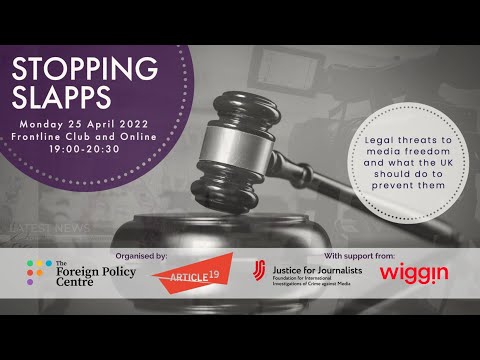
You know, the first time I heard the term SLAPP, I thought it was something from a movie. Like a quirky title for a comedy film about lawyers. But no, it’s actually serious stuff.
SLAPP stands for Strategic Lawsuits Against Public Participation. Sounds fancy, right? Well, look, these lawsuits can feel like a real punch to the gut for folks just trying to speak their minds.
The information on this site is provided for general informational and educational purposes only. It does not constitute legal advice and does not create a solicitor-client or barrister-client relationship. For specific legal guidance, you should consult with a qualified solicitor or barrister, or refer to official sources such as the UK Ministry of Justice. Use of this content is at your own risk. This website and its authors assume no responsibility or liability for any loss, damage, or consequences arising from the use or interpretation of the information provided, to the fullest extent permitted under UK law.
Imagine posting your honest opinion about a dodgy local business online and then getting slapped with a lawsuit because they didn’t like what you said. Ouch!
This kind of thing happens more than you’d think in the UK. It’s not just about free speech; it’s about standing up against bullying tactics that some companies use to silence critics.
So let’s chat about what SLAPP lawsuits really mean here and how they impact our rights and conversations in everyday life. Sound good?
Top SLAPP Lawsuit Examples: Understanding Strategic Lawsuits Against Public Participation
SLAPP lawsuits, which stands for Strategic Lawsuits Against Public Participation, are a bit of a tricky area in the legal world. They’re designed to silence and intimidate individuals or groups who speak out on issues that might be controversial or impactful. Basically, someone powerful—like a corporation or a public official—uses these lawsuits to bully critics into silence. Sounds a bit like something straight out of a movie, right? But it happens.
In the UK, SLAPP lawsuits aren’t as common as in some other places, but they can happen. The thing is, they can really chill free speech and hinder public participation in important discussions. You might wonder how that works in real life, so let’s break it down.
Imagine you’re part of a community group advocating against a large development project that you believe will harm your local area. After speaking out at community meetings or publishing articles online about your concerns, the developer might slap you with a lawsuit for defamation just because they didn’t like what you said. That’s an example of a SLAPP lawsuit! It’s not necessarily about winning; it’s about exhausting you financially and emotionally.
Here are some key points to understand:
- Chilling Effect: These lawsuits create fear among individuals who might otherwise engage in activism or public discourse.
- Time and Cost: Defending against such lawsuits can be incredibly expensive and time-consuming.
- Legal Framework: The UK doesn’t have specific laws that directly counter SLAPPs like some other countries do, making it tricky for victims.
- Awareness: As people learn more about their rights and freedoms, there’s been more pushback against these tactics.
There have been discussions around reforming the legal system to combat SLAPP lawsuits effectively. Activist groups have been advocating for clearer protections for whistleblowers and activists. This push is crucial because even if someone wins their case eventually, the costs involved can discourage others from speaking up.
Another point worth mentioning is the role of social media today. Voices that were once marginalized can now gain attention rapidly online. This exposure can lead to backlash from those who feel threatened by the conversation happening around them.
So while we don’t see as many high-profile SLAPP cases in the UK compared to other places, it’s essential to stay aware of this issue. Engaging in open conversation shouldn’t come at such a high price—emotionally and financially! If you ever find yourself caught up in something like this—or maybe just curious—know there are folks dedicated to fighting these battles for everyone involved.
Exploring Notable SLAPP Suits: Landmark Cases and Their Impact on Free Speech
SLAPP suits, short for “Strategic Lawsuits Against Public Participation,” are a big deal when it comes to the balance between free speech and legal action. Basically, these are lawsuits aimed at silencing critics, usually by dragging them into a costly legal battle. The goal? To intimidate people and shut them up.
In the UK, SLAPP suits have been gaining attention lately. While there isn’t specific legislation like in some other countries, existing laws offer some protection against these vexatious claims. Some landmark cases have shed light on how courts view these types of lawsuits and their implications on free speech.
Let’s talk about a few notable cases that illustrate the situation:
- Gulbenkian v. Cummings: In this case, a public figure sued an activist for defamation after critical statements were made about his business practices. The court recognized the chilling effect such lawsuits could have on public discourse.
- Harrison v. Harrison: This case involved family law issues, but it was used to explore how aggressive litigation can discourage parties from expressing their opinions publicly, thus affecting free speech.
- James v. Mott: Here, an environmental activist faced a lawsuit over claims made about a corporation’s practices. The judge emphasized the role of public interest in allowing robust debate on environmental issues.
These cases highlight how courts are starting to recognize that SLAPP suits can be misused to stifle legitimate criticism and discussion. It’s like having a sword hanging over someone’s head; it makes them think twice about speaking out.
Now, let’s break down the key implications of SLAPP lawsuits:
- Chilling Free Speech: When individuals fear being sued for expressing their opinions or reporting on matters of public interest, it creates a culture of silence.
- Costs of Defense: Defending against these suits can be incredibly expensive. Many people don’t have the resources to fight back, leading to self-censorship.
- Public Interest vs. Personal Rights: Courts are increasingly tasked with balancing the right to free speech against an individual’s right to protect their reputation when hearing such cases.
- Calls for Reform: There’s ongoing debate in legal circles about whether specific legislation is needed in the UK to directly combat SLAPP suits and provide clearer protections for free speech.
Look, while it’s essential to protect personal reputations from false statements, we also need to ensure that open dialogue thrives in society. Without proper safeguards against SLAPP suits, you might find people more hesitant to voice concerns or challenge powerful entities.
Ultimately, understanding these landmark cases helps us see where things stand regarding SLAPP suits in the UK today—a landscape that continues to evolve as society wrestles with striking that delicate balance between protecting rights and encouraging open expression.
Understanding SLAPP Laws in the UK: Defending Against Strategic Legal Actions
So, you’ve probably heard the term SLAPP before. It stands for “Strategic Lawsuit Against Public Participation.” These are basically lawsuits aimed at silencing people who speak out on issues of public interest. It sounds a bit intense, right? Well, seriously, it’s a real issue in some cases.
In the UK, SLAPPs can create a chilling effect. This means they discourage individuals or groups from expressing their opinions due to fear of legal repercussions. Picture someone wanting to voice concerns about pollution from a factory but then thinking twice because they might get sued. It’s not just frustrating; it stifles important conversations.
Now, there isn’t a specific piece of legislation in the UK solely dedicated to SLAPPs—unlike some other countries like Canada—but that doesn’t mean there’s no way to deal with them. Here’s where things get interesting:
- Defamation Laws: If someone feels their reputation is harmed, defamation laws come into play. But if you’re on the receiving end of a SLAPP lawsuit and your comments are about public interest matters, it could be seen as an attack on your right to speak out.
- Public Interest Defense: When you’re accused of defamation over something you said in public interest, this defense can save the day. Courts often examine whether your statements were made honestly and whether they matter to society.
- Financial Burden: Many people can’t afford hefty legal fees for defending against a lawsuit that aims to silence them. This is where potential legal aid or crowdfunding might come into play if you find yourself up against one.
- Judicial Discretion: Judges have some leeway in dismissing clearly frivolous cases in early stages. This could mean getting rid of a case before it causes too much stress or expense.
So let’s bring this home with an example—a fictional one but close enough! Imagine Sarah, an environmental activist who starts raising awareness about illegal waste dumping by a local company. Out of nowhere, she gets slapped with a defamation suit by that very company! They’re trying to intimidate her into silence.
Sarah might argue she was acting in “public interest.” If she can prove that her concerns are genuine and important for community health and safety, she stands a good chance at defending herself under current laws.
The thing is, while we don’t have specific anti-SLAPP laws yet, there’s growing recognition of their importance. Various campaigns and discussions keep popping up around this issue.
What can you do if you’re faced with or witness someone being targeted by SLAPP? Well:
- Stay Informed: Knowledge is power! Understanding your rights helps you stand firm.
- Reach Out: Connect with organizations championing free speech and public participation—they can offer advice or support.
- Crowdfund Support: If someone’s facing huge legal bills unfairly due to a SLAPP suit, crowdfunding could be an option for financial relief.
In essence, while UK laws may not currently offer robust protections against SLAPPs as standalone legislation does elsewhere, existing frameworks shine when it comes down to defending your voice—especially regarding matters that matter most to society.
And remember: speaking up should never feel like throwing caution to the wind! It’s essential for democracy and keeps everyone accountable—so don’t shy away from lending your voice when it’s needed most!
You might have heard about those lawsuits that seem to pop up when someone’s just trying to express their opinion publicly, right? Well, in the UK, there’s been some chatter about SLAPP lawsuits—these are “Strategic Lawsuits Against Public Participation.” So, what’s the deal with them?
Imagine this: you’re a journalist investigating a local council’s dodgy dealings. You publish an article exposing some shady practices. Instead of engaging constructively with your findings, the council slaps you with a lawsuit, aiming to intimidate you into silence. It’s like they’re throwing legal weight around just to scare you off.
These cases usually focus on freedom of speech and the right to express opinions without fear of retaliation or legal action. Sounds fair enough, doesn’t it? But here’s where it gets tricky. The implications of SLAPP lawsuits stretch beyond individual cases; they really affect public discourse and accountability. When organizations can bully critics through legal threats, it stifles necessary conversations.
While the UK doesn’t have formal SLAPP laws like some places across the pond, that doesn’t mean people aren’t feeling the heat from these kinds of suits here too. The chilling effect is real! Individuals and small businesses might think twice before speaking up about issues that matter.
The legal challenges can be daunting as well—defending against a lawsuit can drain your time and resources, even if you believe passionately in your cause. It raises questions about who has access to justice and how much power wealthier entities wield over regular folks.
So yeah—there’s this tension between protection for individuals wanting to speak out and the need for accountability among those in power. It’s a complex dance we’re all doing here, navigating our rights while trying not to get caught in legal webs spun by those who’d rather silence criticism.
When thinking about these implications personally or seeing how they play out in society at large, it’s crucial we remain vigilant about protecting free expression while also holding individuals or organizations accountable for their actions—kind of like walking a tightrope! It’s a tough balance, but one worth striving for if we want an open dialogue in our communities.


