
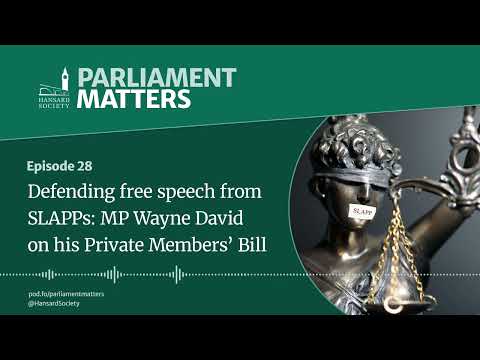
You know those days when you just want to share your opinion online, maybe about that awful restaurant you visited? But then, bam! You get hit with a lawsuit for it. Crazy, right?
That’s the essence of SLAPP lawsuits — Strategic Lawsuits Against Public Participation. Sounds like something out of a legal drama, huh? It’s all about silencing voices that challenge the status quo.
The information on this site is provided for general informational and educational purposes only. It does not constitute legal advice and does not create a solicitor-client or barrister-client relationship. For specific legal guidance, you should consult with a qualified solicitor or barrister, or refer to official sources such as the UK Ministry of Justice. Use of this content is at your own risk. This website and its authors assume no responsibility or liability for any loss, damage, or consequences arising from the use or interpretation of the information provided, to the fullest extent permitted under UK law.
Imagine a world where speaking your mind could lead to financial ruin. Pretty terrifying thought! But in the UK, there are ways to fight back and protect your freedom of speech.
So, let’s unpack what SLAPP lawsuits are and how they impact us all. Trust me, it’s more relevant than you think!
Understanding SLAPP Lawsuits: Notable Examples and Implications
SLAPP lawsuits, or Strategic Lawsuits Against Public Participation, are a bit of a mouthful, but they’re important to understand. They’re basically legal actions intended to silence critics by burdening them with the cost of defending themselves in court. It’s like trying to shut someone up because they said something you don’t like, using the legal system as a weapon.
Now, in the UK, there’s been some movement on addressing these kinds of lawsuits. The Defamation Act 2013 introduced measures aimed at reducing the number of SLAPP cases by making it harder for claimants to win costs against defendants. This serves as a safeguard for free speech, ensuring that people can express their opinions without fear of being dragged into an expensive legal mess.
But let’s get back to how these lawsuits work. Imagine you publicly criticise a big company for its shady practices. Instead of responding constructively or making changes based on feedback, that company might hit you with a lawsuit just to intimidate you into silence. It feels pretty unfair, right? That’s SLAPP in action!
In practice, the implications of SLAPP can be pretty serious. Here are some points worth noting:
- Chilling Effect: People might think twice before speaking out about issues if they fear legal retaliation.
- Costly Defence: Defending against these lawsuits can be incredibly expensive and time-consuming, even if you’re ultimately in the right.
- Censorship Risk: If left unchecked, SLAPPs could stifle public debates and discussions that are vital for democracy.
A notable case that got attention involved environmental activists opposing a major development project. The developers sued them for defamation after the activists raised concerns about potential harm to local wildlife. It created quite a stir because many felt it was an attempt to suppress legitimate criticism.
The beauty here is that courts have started recognizing these tactics for what they are—manoeuvres to hinder free expression rather than genuine grievances. There’s been growing advocacy for further protections against SLAPP lawsuits which could lead to laws making it easier to dismiss such cases early on.
So yeah, understanding SLAPP lawsuits is all about being aware of how powerful entities can misuse legal processes just to silence voices that challenge them. If more people get involved and raise awareness about this issue, then we might see even better protections put in place within our legal framework!
Understanding Strategic Lawsuits Against Public Participation (SLAPPs): Impacts and Legal Remedies
Understanding Strategic Lawsuits Against Public Participation, or SLAPPs, is crucial in today’s world. These lawsuits are essentially legal actions aimed at silencing individuals or groups who speak out on public issues. You might be wondering how this happens, and it’s actually pretty interesting—albeit concerning.
What exactly are SLAPPs? Well, they’re lawsuits where someone with more power or resources tries to intimidate individuals into silence. So, if you speak out against a corporation or a government policy, they might sue you just to scare you off. It’s not about winning; it’s about making you think twice before speaking.
The impacts of SLAPPs can be wide-ranging. For one thing, they can chill free speech. If people feel like they might be sued for voicing their opinions or reporting misconduct, well, that’s a problem. Imagine being afraid to express your views at a community meeting because someone might come after you legally! It affects everybody—citizens and journalists alike.
Now let’s get into the legal remedies available. The UK doesn’t have specific laws labelled as SLAPP laws yet, but courts do have tools to help combat these lawsuits:
- Strike-out applications: If a case is obviously without merit (like trying to intimidate rather than litigate), you can ask the court to throw it out early.
- Costs orders: Sometimes the court might award you costs if it seems like the lawsuit was just an attempt to silence you.
- Countersuing for abuse of process: In some cases, if someone sues frivolously purely to intimidate or harass, you could counterclaim against them.
Think about a journalist who writes an exposé on local corruption: if a big company feels threatened by that story and decides to slap them with a SLAPP suit just to shut them up—that’s when these remedies become particularly important.
As for the **emotional side**, consider this: imagine being in that journalist’s shoes. You’ve worked hard digging up facts and uncovering truths that could impact your community positively. Then suddenly, you’re facing off against powerful lawyers who want nothing more than to drain your resources and spirit through endless litigation. It’s enough to make anyone second-guess their right to speak out!
In conclusion—or rather as we wind down here—it becomes clear that understanding SLAPPs is vital for protecting our rights to free expression in the UK legal landscape. While there are no specific anti-SLAPP laws yet, there are tools available in the legal system that can help defend against these types of intimidation tactics. Staying aware of your rights and knowing what steps you can take gives power back to those brave enough to speak up!
Strengthening Free Speech: The UK Anti-SLAPP Coalition’s Fight Against Strategic Lawsuits
Strengthening free speech in the UK has been a hot topic, especially with the rise of what’s called SLAPP lawsuits. This stands for Strategic Lawsuits Against Public Participation. Basically, these are legal actions used by powerful individuals or corporations to silence critics. It sounds kind of sinister, right? The UK Anti-SLAPP Coalition is taking a stand against this troubling trend.
You might be thinking, what’s the big deal? Well, SLAPP lawsuits can put a serious damper on free expression. Imagine you’re a journalist writing about a company’s questionable practices. Suddenly, they hit you with a lawsuit just because they don’t like what you’ve said. It’s like using legal action to bully people into silence. Frustrating, isn’t it?
The Anti-SLAPP Coalition formed to defend writers, activists, and anyone who feels threatened by such lawsuits. Their goal is to create legislation that would help protect individuals from these strategic legal attacks. What does that mean? They want laws that let courts throw out SLAPP cases quickly so that defendants don’t have to spend loads of time and money fighting them.
One thing the coalition emphasizes is that it’s about fairness. See, big corporations often have deep pockets and can afford lengthy legal battles while critics may not have those resources at all. This creates an uneven playing field. It’s hard not to feel for someone who’s just trying to speak up about an issue but finds themselves in hot water because they did.
- The coalition’s efforts: They’re lobbying for legislative changes that help shield free speech without punishing people for speaking out.
- Aim for clearer definitions: They want laws that clearly define what constitutes a SLAPP lawsuit so courts can more easily identify and dismiss them.
- Raising awareness: Part of their mission is simply making folks aware of SLAPP lawsuits so we can all recognize when someone might be facing one.
An example of this fight happening in real life occurred when environmental activists were sued by a large company after raising serious concerns about its impact on local wildlife. The coalition stepped in, emphasizing how using legal action in this way was an attempt to silence important public discourse on environmental issues.
This matters deeply because a robust democracy relies on open discussion. If people fear being sued every time they speak their mind or share critical information, then society suffers as a whole. The Anti-SLAPP Coalition’s work is crucial to keeping our conversations alive and vibrant.
Aiding their efforts are various organizations and individuals committed to advocacy and reform in this arena. They’re building momentum for change because everyone deserves the right to express themselves without fear of retaliation through litigation.
If you think about it, supporting free speech isn’t just nice; it’s essential for holding power accountable! And every step taken by coalitions like this one brings us closer to ensuring everyone can speak freely without looking over their shoulder at potential lawsuits.
So, let’s chat about SLAPP lawsuits. These are one of those topics that kind of sneak under the radar but really matter in the grand scheme of things. The term SLAPP stands for “Strategic Lawsuit Against Public Participation.” Sounds heavy, right? Basically, it’s when someone uses a lawsuit to intimidate or silence critics—or anyone expressing their views on a public issue. Imagine you’re a journalist writing a piece on corporate malfeasance. Suddenly, you’re hit with a lawsuit just because someone wants you to stop talking. It’s pretty unsettling, seriously.
In the UK, the landscape around these lawsuits is evolving. There’s a growing recognition that they can be used to stifle free speech—a cornerstone of our democracy. I remember reading about a small environmental group that was threatened with legal action just for protesting against a local development project. They were scared stiff! It wasn’t even about whether their arguments were valid; it was more about trying to scare them into silence.
What happens is that many people start self-censoring when they see these lawsuits popping up left and right, thinking twice before voicing concerns. It creates this chilling effect where public discourse gets stifled just because some big player doesn’t like what they hear.
Luckily, there have been movements in the UK to combat this trend. There’s been talk about legislation aimed at protecting individuals and groups from these types of cases. The idea is to create safeguards so that people feel free to speak out without fear of being dragged into lengthy and costly court battles.
But it’s not all straightforward—there are nuances we need to consider too. Balancing free speech with protecting individuals from harassment or defamation isn’t easy! You wouldn’t want anyone spreading false information either, right? That balance is super delicate.
The thing is when we bring up SLAPP lawsuits, we’re really talking about the core values we hold dear: freedom of expression and the ability to challenge the status quo without facing retaliation. And as we see more instances arise in various sectors—from politics to activism—it’s vital for us all to pay attention. Because if you think it won’t affect you—well, sometimes it’s only when we’re in the situation ourselves that we realize how important those protections really are.
So yeah, keeping an eye on this issue feels crucial as our society continues grappling with how best to protect voices while ensuring accountability too.


