
You know, I once heard a story about a mate who started hiring staff for his café but didn’t bother with any paperwork. Sound familiar? He thought a handshake was enough. Spoiler alert: it wasn’t!
So, here’s the thing: an employment agreement is like the behind-the-scenes magic that keeps everything running smoothly at work. Seriously, it’s not just about the job title and salary; it’s about protecting you and your employees.
The information on this site is provided for general informational and educational purposes only. It does not constitute legal advice and does not create a solicitor-client or barrister-client relationship. For specific legal guidance, you should consult with a qualified solicitor or barrister, or refer to official sources such as the UK Ministry of Justice. Use of this content is at your own risk. This website and its authors assume no responsibility or liability for any loss, damage, or consequences arising from the use or interpretation of the information provided, to the fullest extent permitted under UK law.
If you’re thinking of bringing someone on board, or maybe you’re already working with a team but don’t have anything in writing, creating a simple employment agreement is key. It can save you from awkward situations down the line—trust me on that one!
Let’s break it down together and make it easy-peasy. You’ll be set up in no time!
Downloadable Employment Contract Template for the UK (PDF Format)
Creating an employment contract in the UK can feel a bit overwhelming, especially if you’re doing it for the first time. But don’t worry; I’m here to break it down for you.
First off, an employment contract is basically a formal agreement between you and your employee. It outlines the rights and responsibilities of both parties. This is super important because it sets clear expectations right from the start.
If you’re looking for a downloadable employment contract template in PDF format, there are a bunch available online. Just search for “UK employment contract template,” and you’ll find plenty of options that suit different industries and roles.
Here’s the deal: while templates can be really useful, always make sure to tailor them to your specific needs. It’s like putting on a new shirt – fitting it properly makes all the difference!
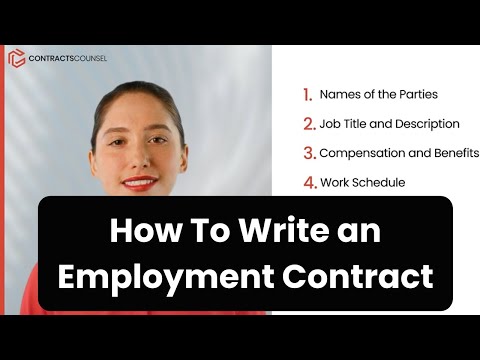
Now, when creating that simple employment agreement, consider including these key elements:
- Job Title and Description: Clearly define what the employee will be doing.
- Start Date: When does their journey begin?
- Salary and Payment Details: How much they’ll earn and how often they’ll get paid.
- Working Hours: Specify how many hours they’re expected to work each week.
- Holidays: Outline their holiday entitlement.
- Sick Leave: Explain the policy around sick days.
- Notice Period: How much notice either party needs to give if they want to end the agreement.
Let’s say you hire someone as a part-time admin assistant. You might write something like: “The employee will work 20 hours per week from Monday to Friday at £12 per hour.” Simple enough, right?
Also, remember that under UK law, contracts don’t have to be in writing to be legally binding. However, it’s super helpful if things ever get complicated down the line.
But here’s where it gets interesting: even if you use a template, make sure it’s compliant with current laws—like changes in minimum wage or new regulations around zero-hours contracts.
You know what can happen? I once heard about a small business owner who skipped over some legal jargon when hiring their first employee. Long story short, they ended up in a bit of hot water over unpaid holidays which were never clearly mentioned—yikes!
So yeah, having an employment contract is not just good practice; it’s essential for protecting everyone involved.
In summary, while downloadable templates can give you a head start on creating an employment agreement in the UK legal framework, never forget that personal touches make all the difference! Happy hiring!
Understanding Employment Contract Law in the UK: Key Principles and Rights
Sure, let’s break this down into something straightforward and easy to grasp!
When you start a job in the UK, you usually get an employment contract. This document is super important because it lays out the rules of your job and sets expectations for both you and your employer. So, let’s go over some key principles of employment contract law in the UK.
First up, what is an employment contract? Well, it’s basically a legal agreement between you and your employer. It tells you what your job duties are, how much you’ll get paid, and what your rights are at work. You know, like a roadmap for your role!
Now, there are a couple of main types of contracts:
- Written contracts: These are the most common. They spell everything out clearly.
- Verbal contracts: Believe it or not, these can be valid too! But it’s way trickier to prove what was agreed upon.
You might be wondering about the rights you have under these contracts. You’ve got quite a few! For instance:
- Minimum Wage: You have the right to be paid at least the national minimum wage or national living wage.
- Working Hours: There are limits on how many hours you can work in a week.
- Sick Pay: Depending on how long you’ve worked there and what your contract says, you may be entitled to sick pay.
And guess what? You also have certain protections against unfair dismissal after you’ve been employed for at least two years.
Let me share a quick story. A friend of mine started working as a barista part-time while studying. She got a written contract that outlined her pay and hours clearly—which was great because it helped her budget her time around classes! But one day she fell ill and missed a few shifts without proper notice; she thought she’d lose pay but found out she was entitled to statutory sick pay! That little piece of info made all the difference.
Now let’s talk about what happens if things go wrong. If either side—employee or employer—breaches the agreement (and that just means not sticking to what’s in the contract), there are usually some ways to resolve those disputes:
- Mediation: This involves getting someone neutral to help both parties come together for a solution.
- Tribunal Claim: If mediation doesn’t work out, you can take things further by going to an Employment Tribunal.
In terms of creating simple agreements under UK law, it’s really about clarity. Your contract should answer key questions like:
– What does my role entail?
– How much will I get paid?
– What am I entitled to during holidays?
These elements help everyone know where they stand.
So when you’re looking at contracts—whether you’re starting fresh or reviewing one—you want to make sure everything feels fair and reasonable. Always remember that this legal document is meant to protect both you and your employer!
And seriously? When in doubt about something in your contract, don’t hesitate to ask questions or seek advice from someone who knows their stuff! It’ll save you future headaches.
Alrighty then! That’s basically what employment contract law looks like in the UK—pretty manageable when broken down like this!
Downloadable Employment Contract Template for the UK in Word Format
So, you’re looking into creating an employment contract, huh? Well, that’s a really important step in the hiring process. An employment contract lays down the basic rules of the workplace, and that’s crucial for both you and your employee.
First off, let’s chat about what an employment contract even is. It’s basically a document that outlines the rights and responsibilities of both you (the employer) and the employee. Think of it as the foundation of your working relationship; without it, things can get pretty murky.
Now, if you’re after a downloadable template, there are lots out there online in Word format. But here’s a heads up: templates can be useful, but they should fit your specific needs. So it’s always best to adjust these templates to suit your business context.
When creating a simple employment agreement in the UK legal framework, keep some key points in mind:
- Job Title and Responsibilities: Clearly state what the position is and what tasks are expected. For example, “The employee will serve as a Marketing Assistant and will be responsible for managing social media accounts.”
- Salary and Payment Terms: Specify how much you’ll pay and when—weekly or monthly? Like, “The employee will earn £25,000 annually with payments made on the last working day of each month.”
- Working Hours: Describe the expected hours per week. Something like “The standard hours will be from 9 AM to 5 PM Monday to Friday” works well.
- Holidays: It’s essential to outline holiday entitlement too. For instance, “The employee is entitled to 28 days paid annual leave including public holidays.”
- Notice Period: Both parties should know how much notice is needed if either party wishes to terminate the agreement—maybe something like “A notice period of one month must be given by either party.”
- Pension Scheme: Mention if you have an auto-enrollment pension scheme or any other benefits.
- Confidentiality Clause: This part protects your business secrets—“The employee agrees not to disclose any confidential information during or after employment.”
It might sound like a lot already! But look, it doesn’t have to be complicated. Once you’ve got those basics down in your template, you’ll have a solid start.
A quick tip: Always make sure everything’s compliant with UK employment law! There are rules about minimum wage, anti-discrimination laws, etc., so keep those in mind while drafting your agreement.
And hey! Don’t forget to get both parties to sign it—it turns it from just paper into something legally binding!
In short, while you could download an employment contract template online for convenience—just remember it’s important that this document reflects what actually happens at your workplace! A well-crafted contract helps prevent misunderstandings down the road—it’s peace of mind for everyone involved!
Imagine you’ve just landed a new job, and everything seems perfect. But then, you find yourself in a bit of a pickle because there’s no clear agreement about your role or what’s expected. This is where creating a simple employment agreement comes into play.
In the UK, having an employment agreement isn’t just a fancy piece of paper; it’s really about setting clear expectations. It gives both you and the employer peace of mind. Basically, it outlines your job description, hours, pay, holidays, and other important stuff like confidentiality or termination procedures. You know, those little things that can end up being pretty big down the line!
Think about it: if you’re an employee, wouldn’t you want to know exactly what you’re signing up for? It’s not just about the salary—it’s also about feeling secure in your position. I once heard from a friend who started working at a small firm without any formal agreement. Things were fine at first until there was confusion over holiday entitlements. It turned into a long argument that could have been avoided if they’d put everything in writing right from the start.
On the flip side, employers benefit too! Having an agreement helps them manage expectations and define their rights clearly. If issues arise later, both parties can refer back to the employment contract instead of relying on vague memories or assumptions.
Creating this document doesn’t have to be complex. You can start with basic clauses: job title and duties; hours of work; pay details; holiday entitlements; sick leave policies; notice periods for termination—you follow me? There are templates online that can help guide you through the process.
Of course, while simplicity is key, ensuring compliance with UK laws is crucial too! For instance, you must consider things like minimum wage regulations or protections against discrimination. That way, everyone gets treated fairly and knows what’s what from day one.
In short, taking the time to create a simple employment agreement isn’t just good practice; it’s essential for fostering trust and clarity between employees and employers alike. So when stepping into a new role or hiring someone new, remember: it’s always better to get things down in writing!


