
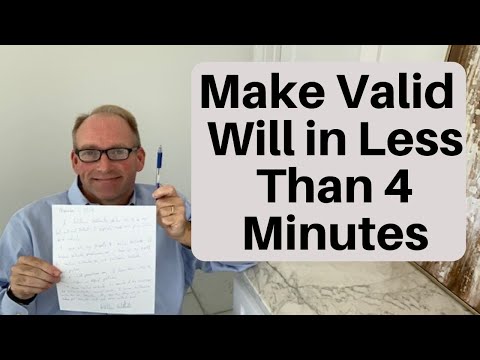
You know, I once asked my grandmother what she wanted to happen to her beloved garden gnomes when she was gone. She laughed and said, “Just make sure they find a good home!”
That got me thinking. It’s funny how we often plan trips, parties, and even how we want our birthdays to go, but when it comes to something as serious as a will? Well, let’s just say it usually gets put on the back burner.
The information on this site is provided for general informational and educational purposes only. It does not constitute legal advice and does not create a solicitor-client or barrister-client relationship. For specific legal guidance, you should consult with a qualified solicitor or barrister, or refer to official sources such as the UK Ministry of Justice. Use of this content is at your own risk. This website and its authors assume no responsibility or liability for any loss, damage, or consequences arising from the use or interpretation of the information provided, to the fullest extent permitted under UK law.
Creating a simple will in the UK isn’t as scary as it sounds! Seriously, it’s just about making your wishes clear. And trust me, having one can save your loved ones a lot of confusion and stress down the line.
So grab a cuppa and let’s chat about how you can make this process easy-peasy!
Writing Your Own Will in the UK: A Comprehensive Guide to DIY Wills
Sure thing! Writing your own will in the UK can sound a bit daunting, but it’s definitely doable. You know, many people think they need a solicitor for this, but there are ways you can handle it yourself. It’s all about ensuring your wishes are clear and legally valid. Let’s break it down.
First off, a will is basically a legal document that outlines what you want to happen to your stuff when you’re gone. This includes everything from property and money to personal belongings. It’s super important because without one, the law decides how your things get distributed, which might not be how you would’ve liked things to go.
Eligibility
To write a will in the UK, you need to be at least 18 years old and of sound mind—basically meaning you understand what you’re doing. If you’re not sure about your mental state or if you’ve got some serious health issues, it might be worth talking to someone before diving in.
What You’ll Need
Here’s a little checklist of what’s generally required:
- Your full name and address.
- Your date of birth.
- The names and addresses of the people (or charities) you want to inherit.
- An executor—this is the person who’ll carry out your wishes.
- A list of what you own (your assets).
Now, naming an executor is pretty crucial. This should be someone you trust completely because they’ll be responsible for making sure everything goes smoothly after you’re gone.
Writing Your Will
When putting pen to paper—or fingers to keyboard—you’ve got options. You can write by hand (that’s called a holographic will), type it up on your computer or even use templates available online. Just make sure that whatever method you pick is straightforward and clear.
It’s a good idea to start with an introductory statement like: “This is my last will and testament.” Then list off who gets what! For example:
“I leave my house at 123 Main St., London, to my sister Jane Doe.”
Keep it simple but direct! If something goes wrong with how you express your wishes, then misunderstandings could arise later on—nobody wants that drama!
Signatures & Witnesses
Here comes the fun part: signing! Your will must be signed by you in front of two witnesses who aren’t beneficiaries—that means they shouldn’t inherit anything from your will. They should also add their signatures after yours.
And don’t forget: all this must happen while everyone is present! Having two witnesses is super important; otherwise, there might be issues when the time comes.
Storing Your Will
So now that you’ve got this masterpiece done, where do you keep it? A lot of people opt for safe places like:
- A safety deposit box.
- Your home in a secure location.
- Your solicitor’s office (if they’re involved).
Make sure someone knows where it is stored though! Seriously, if no one knows where to find it when push comes to shove, then good luck getting those wishes fulfilled!
Reviewing Your Will
Just because you’ve written one doesn’t mean it’s set in stone forever. Life changes—people get married or divorced; new children come along; loved ones pass away… You’ve gotta make updates as necessary!
Keep an eye on things and review every few years or after significant life events just so everything remains accurate.
In summary? Writing your own will isn’t rocket science—it just takes some thoughtfulness about what matters most to you. That way, when it’s time for others to handle things posthumously, they’re following *your* plan instead of leaving it up to chance or the state laws.
Taking care of this now means peace of mind later!
Understanding the Cost of a Simple Will in the UK: A Comprehensive Guide
So, you’re thinking about making a simple will in the UK? That’s a smart move! It helps you decide what happens to your stuff when you’re no longer around. But, let’s talk about something a bit less exciting but super important—the cost of creating that will.
The Cost Breakdown
Creating a simple will can cost you anywhere from £100 to £300 if you choose to go through a solicitor. This price can vary based on where you live and how complex your wishes are. For instance, if you just want to leave everything to your spouse or children, it’s pretty straightforward. But if you’ve got specific instructions or want to include trusts, the cost could creep up.
But hey, there are other options! You could use online services which can be cheaper—sometimes as low as £20 to £100. Just be careful here; these services might not cover all your needs, especially if your situation is more complicated.
What’s Included?
When considering costs, think about what you’re actually getting for your money. If you go with a solicitor, they often:
This can save money in the long run because an improperly written will could lead to disputes or legal fees after you’re gone—yikes!
DIY Wills
If you’re thinking of doing it yourself, there are kits available which guide you through the process. They usually range between £10 and £50. Just remember: while it’s cool to save cash this way, DIY wills come with risks. If something isn’t clear or legally sound, it may not hold up in court.
Let me tell you about my mate Dave. He thought he’d save some cash by doing his own will with an online template. Everything seemed fine until his family argued over who gets his collection of vintage vinyl records because he didn’t specify anything clearly! It turned into quite the mess.
Additional Costs
Also keep in mind any extra expenses that could pop up:
It all adds up!
Your Rights and Obligations
Regardless of how much a will costs or who prepares it, remember that it’s your **legal right** to decide how things should be distributed after you’re gone. On the flip side, it’s also an obligation if someone relies on you financially or has expectations set around what you’ll leave behind.
In summary, while creating a simple will in the UK doesn’t have to break the bank, it’s essential to weigh those costs against what you’re gaining—peace of mind for both yourself and loved ones left behind. So when you’re ready to tackle this task, take stock of what suits both your budget and needs best!
Understanding the Legal Requirements for a Valid Will in the UK
Making a will can feel a bit daunting, but it’s super important if you want to ensure your wishes are followed after you’re gone. So, let’s break down the legal requirements for a valid will in the UK. You got this!
First off, to create a valid will in the UK, you need to meet some basic criteria:
- Age Requirement: You must be at least 18 years old. Seriously, no one under that age can make a legally binding will.
- Mental Capacity: You need to be of sound mind. That means you should understand what making a will entails and how your decisions impact your estate.
- Written Document: Your will must be in writing. This could be handwritten or printed out. Just saying it verbally doesn’t cut it!
- Signature Requirement: You need to sign the document at the end. If you’re unable to sign, then someone else can do it for you, but they must write it in your presence and at your direction.
- Witnesses: This one’s crucial—your signature has to be witnessed by two people who are present when you sign the will. They also need to sign themselves! And here’s the catch: they can’t be beneficiaries of your will or spouses of beneficiaries.
The thing is, getting these elements right is key because if something’s missing or not done properly, your whole will could be contested or even declared invalid. Nobody wants that stress for their loved ones down the line.
You might be thinking about what happens if you don’t meet these requirements? Well, without a valid will, your estate may fall into what’s called “intestacy rules.” This means the law decides who gets what based on kinship ties—could lead to family disputes and give away things you didn’t want certain people to have!
A quick example: imagine you’ve got kids from a previous relationship and think they’ll inherit everything simply because you’re their parent. Not necessarily! Under intestacy laws, outsiders could end up benefiting more than them.
If this feels overwhelming—and I get it!—consider writing your own straightforward will using templates that comply with legal standards. Or if you’ve got more complex arrangements (like trusts or significant assets), chatting with a solicitor might just save some headache later on.
In summary, make sure you’re meeting all those legal requirements: age, mental capacity, it’s got to be written down, signed by you and witnessed by two people who won’t benefit from it—that’s going to keep things squeaky clean!
Your loved ones deserve clarity and peace of mind when that time comes. A simple effort now can save everyone tons of heartache later!
Creating a simple will in the UK can seem daunting, but it doesn’t have to be, you know? I mean, just think about it—everyone has stuff they care about. Whether it’s your quirky collection of vinyl records or that old family heirloom that’s been passed down for generations, sorting out what happens to these things can really give you peace of mind.
I remember when my gran decided to write her will. She was in her 80s and had a lot on her mind. She sat down one afternoon with a cup of tea and just started writing. It wasn’t fancy or anything; it was straightforward. Gran really wanted to make sure my uncle would get the garden tools that he loved using when he visited. Those little moments are what make life special, you know?
Now, when it comes to making your own will here in the UK, there are some key steps you should keep in mind. First off, figure out what assets you actually own—this includes houses, savings accounts, even pets! You’ll also want to think about who you’d like to inherit your belongings. You could name family members, friends, or even charities.
Next up is deciding how you want everything divided. That means if you have multiple kids and they all want something different, you’ll need to jot down your wishes clearly so there’s no confusion later on.
Once you’ve got all this sorted out on paper, it’s crucial to follow the legal requirements for wills in England and Wales (or Scotland and Northern Ireland if you’re up that way). This generally means signing your will in front of two witnesses who aren’t beneficiaries — that’s super important!
And then there’s storage—keep that document safe! Maybe give a trusted friend or relative a heads-up about where it is so they can access it when the time comes.
In all honesty, why spend another day stressing over “what ifs”? A simple will doesn’t have to be overly complicated or pricey; it’s all about ensuring your wishes are honored after you’re gone. Even my gran said it felt like a weight had been lifted off her shoulders once she finished hers.
So seriously consider giving it a go! It may seem like just paperwork now but trust me—it feels good knowing you’re taking care of things for those you love most down the road. It’s a simple way to show how much you care; just like gran did with those garden tools!


