
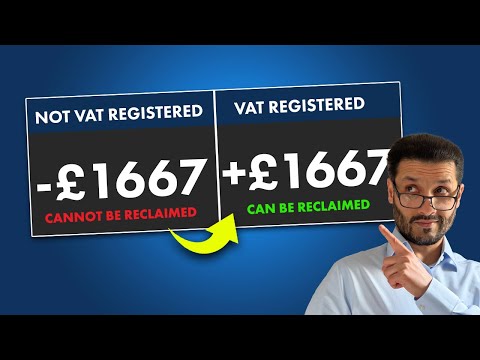
So, here’s a funny story: my mate Dave thought he could start his little online business selling custom t-shirts without a care in the world. He was super excited until he found out about VAT, and well… let’s just say the excitement faded pretty quick!
You know, VAT can feel like this big, scary monster lurking in the shadows of your business dreams. Seriously, it’s like trying to navigate a maze blindfolded. But don’t sweat it!
The information on this site is provided for general informational and educational purposes only. It does not constitute legal advice and does not create a solicitor-client or barrister-client relationship. For specific legal guidance, you should consult with a qualified solicitor or barrister, or refer to official sources such as the UK Ministry of Justice. Use of this content is at your own risk. This website and its authors assume no responsibility or liability for any loss, damage, or consequences arising from the use or interpretation of the information provided, to the fullest extent permitted under UK law.
This whole VAT registration thing in the UK isn’t as intimidating as it sounds. There are some straightforward rules and steps that can help you figure it all out without losing your mind.
Whether you’re just starting out or already running a small empire from your kitchen table, knowing these rules can make life a whole lot easier. So, let’s break it down together and get you on the right path! Sound good?
Understanding VAT Registration Requirements for UK Businesses: Who Needs to Register?
Sure! Let’s talk about VAT registration requirements for UK businesses. Tax stuff can be a bit tricky, but I’ll break it down for you.
VAT, or Value Added Tax, is a tax that businesses charge on the goods and services they sell. You might be wondering if your business needs to register for VAT or not. Well, it often depends on how much money you’re making.
Threshold for Registration
The UK has a specific threshold limit when it comes to VAT registration. If your taxable turnover goes over £85,000 in a 12-month period, you pretty much have to register. Like, if you’re running a small bakery and one year you hit that mark? Time to get your VAT registration sorted.
On the flip side, if your turnover is below this threshold? You don’t have to register—unless you want to voluntarily opt-in since being VAT registered can sometimes let you reclaim VAT on certain purchases.
What Counts as Taxable Turnover?
Now you’re probably curious about what counts as taxable turnover. Here’s the deal: it includes things like sales of goods and services that are subject to VAT and anything that falls outside of tax exemptions or reduced rates.
- Sales from Goods: So, if you sell cakes at your bakery, that’s taxable.
- Service Sales: Say you’re an electrician fixing up homes—those fees also count.
- Exempt Sales: If you’re selling things like insurance or certain financial services, those don’t count towards the threshold.
Total Value Matters
It’s important to keep track of everything. You have to include all relevant income in your calculations—like sales from subsidiaries or any side hustles influenced by your main business activities.
When Do You Register?
If you’re getting close to the £85,000 limit or you’ve already gone over it in the last 12 months? It’s time to grab your paperwork and get registered with HM Revenue and Customs (HMRC). Once you’re registered, you’ll need to charge VAT on your sales.
Let’s say you’re at £90k turnover; once registered, you’ll start adding 20% VAT on top of what customers pay for products or services. Sounds like a hassle? Maybe! But don’t worry too much because once you’re registered, there’s potential for reclaiming VAT on purchases too.
The Impact of Being Registered
Being registered has its perks and downsides. On one hand:
- You can reclaim VAT you’ve paid on business-related expenses.
- Your business could seem more credible since it’s all official-like.
On the other hand:
- You’ll need to keep track of taxes collected from sales and submit returns regularly.
- Your pricing may change as you’ll need to factor in that 20% when dealing with customers.
So yeah, choosing whether or not to register isn’t just about crossing the threshold—it’s about how it fits into your overall business strategy too!
Conclusion
In short: If your taxable turnover hits £85k in any given year—or if you expect it will—you gotta think seriously about registering for VAT with HMRC. Staying organized will make this whole process easier! And if there are any uncertainties along the way? Reaching out for advice is always a smart move!
Essential Requirements for VAT Registration in the UK: A Comprehensive Guide
You might be thinking about getting your business registered for VAT in the UK and wondering what’s involved. Well, let’s break it down in a simple way.
First off, VAT stands for Value Added Tax, a tax charged on most goods and services sold in the UK. If your business exceeds a certain threshold, you’ll need to register. The current limit is £85,000 in taxable turnover over a 12-month period. If you reach this point, or if you expect to do so in the next 30 days, it’s time to register.
Now, when you register for VAT, you’ll need to provide some details. You have to give your business name and address, as well as any trading names if you have them. That seems straightforward enough! But there’s more.
You’re also going to need your National Insurance number. This is important; it connects your business with your personal identity. It helps authorities track everything properly.
Also, consider how you want to manage your VAT returns. You can choose from various schemes like the Standard Scheme, which is what most folks use or the Flat Rate Scheme, which simplifies things but could end up costing you more if not managed well.
When filling out your registration form online or through paper forms—yeah, people still do that—you’ll need to calculate how much tax you’ve collected and paid (last year or projected). It sounds tedious but it’s an essential step.
Another thing? Once registered, you’ll have an obligation every quarter (or annually) to submit VAT returns where you’ll declare how much tax you’ve charged customers and how much you’ve paid on purchases. Keep those records handy!
And here’s something pretty important: Once you’re registered for VAT, you can’t just ignore it; failing to comply can lead to penalties.
If you’re registering from outside the UK or running a branch here while being based abroad? There are some extra rules around that too—like needing a UK representative if you’re not based locally.
That’s pretty much the gist of it! Just remember this: registering for VAT isn’t just about submitting forms—it’s about keeping clear records and staying organized so that when it’s time for those returns, you’re ready!
So yeah, getting everything sorted might take a little effort at first but think of it like laying down solid groundwork for your business’s future success!
Comprehensive Guide to VAT-Exempt Businesses in the UK: Eligibility and Examples
So, you’re curious about VAT-exempt businesses in the UK? Let’s break it down together.
First off, what’s VAT? Well, it stands for Value Added Tax. It’s a tax that businesses charge on their goods and services. But there are some businesses that don’t have to charge it, and that can be pretty handy!
Now, you might be wondering if your business qualifies as VAT-exempt. Basically, the eligibility boils down to the kind of goods or services you provide. Here are some key points:
- Types of Businesses: Certain sectors are often exempt from VAT. For example, things like education, healthcare, and financial services fall under this category.
- Turnover Threshold: If your taxable turnover is below a certain limit (currently £85,000), you might not need to register for VAT at all!
- Sole Trader Considerations: If you’re running a small operation as a sole trader and only dealing with exempt supplies, then no VAT worries for you!
- No Input Tax Recovery: Just a heads-up—if you’re in this boat, you generally can’t reclaim VAT on purchases needed for your business.
It’s important to note that being VAT-exempt doesn’t mean being ‘free’ of all taxes. You’ve still got obligations when it comes to income tax or corporate tax.
Let’s say your business is an educational institution. As long as you’re providing eligible education services, you’re likely exempt from charging VAT on those fees! Imagine not having to add an additional cost for students—it’s definitely a win-win there.
But what happens if you mix taxable and exempt supplies? Oh boy! You’d need to keep track because certain rules apply when calculating how much input tax (that’s the VAT back on your purchases) you can reclaim. Generally speaking, if more than 5% of your sales are taxable supplies, then the calculations can get tricky.
So here’s where it matters: knowing what category your business falls into is essential! Not just for compliance but also for planning and strategizing how you’ll operate financially.
If this still feels a bit fuzzy or like you’re missing some pieces of the puzzle—don’t sweat it! Many businesses find themselves facing the same questions as they navigate through these waters. It’s totally okay to seek further information or assistance when needed.
In short, understanding VAT-exempt status could save you both money and effort in running your business—just make sure you’re clear about what applies to you specifically!
So, let’s chat about VAT registration in the UK. It’s one of those things that can seem a bit daunting at first, you know? But really, getting a grip on it can save you from headaches down the line.
Now, picture this: you’ve started a small online business selling handmade candles. Business is picking up, and before you know it, your sales are hitting that threshold of £85,000 in a year. That’s when it becomes crucial to think about VAT registration. If your taxable turnover crosses that limit, by law you have to register for VAT. It might feel like a big step—adding another layer to your business—but it also opens up new opportunities.
Once you’re registered, you’ll start charging VAT on the goods or services you sell. Sounds straightforward, right? But here’s where it gets interesting: the flip side is that you can also reclaim the VAT on your business expenses. So those fancy waxes and wicks? You could potentially get some of that tax back! It’s kind of like finding extra pennies in your pocket after doing laundry; always nice!
But registration isn’t just for those hitting that sales ceiling. Even if you’re below the threshold, registering voluntarily can sometimes be beneficial—like when you’re dealing with other VAT-registered businesses who might prefer working with companies that are already part of the system. Plus, if you’re in certain sectors or making specific types of sales (like digital services), there might be additional rules applying.
Keeping track of everything can get tricky; I mean, paperwork isn’t anyone’s favorite hobby! You’ll need to maintain accurate records and submit periodic VAT returns—you know how time-consuming admin stuff can be? Still, once you’re all set up and familiarized with it all, managing VAT becomes just another part of running your business.
The key takeaway? Don’t let the whole VAT thing overwhelm you; it’s just one piece of a much bigger puzzle called running a business in the UK. And remember: there are resources out there to help guide you through the process if it gets too tangled!


