
Did you know that the UK’s VAT system is older than most of us? Seriously, it’s been around since the 1970s!
So, picture this: you’ve just launched your small business. You’re buzzing with ideas and ready to take on the world. Suddenly, you hear about VAT registration. Your excitement takes a bit of a nosedive, right?
The information on this site is provided for general informational and educational purposes only. It does not constitute legal advice and does not create a solicitor-client or barrister-client relationship. For specific legal guidance, you should consult with a qualified solicitor or barrister, or refer to official sources such as the UK Ministry of Justice. Use of this content is at your own risk. This website and its authors assume no responsibility or liability for any loss, damage, or consequences arising from the use or interpretation of the information provided, to the fullest extent permitted under UK law.
Don’t worry! It might sound like a maze of legal jargon, but it’s not as intimidating as it seems.
VAT registration is all about understanding your rights and responsibilities. Like, what even is VAT? And why should you care? Well, my friend, let’s unravel this together! There’s a lot to get into about how it works and why it’s essential for your business. So grab a cuppa—let’s chat!
Understanding VAT Obligations in the UK: A Comprehensive Guide
When it comes to VAT obligations in the UK, things can get a bit tricky, so let’s break this down. VAT, or Value Added Tax, is a tax that businesses charge on most goods and services. You might be thinking, “Why does it matter to me?” Well, if you run a business—or even think about starting one—you need to understand this.
First off, VAT registration is essential for businesses whose taxable turnover exceeds a certain threshold. As of now, that threshold is £85,000. If your business’ sales hit this mark over 12 months or are expected to in the next 30 days, then you’ve got to register for VAT.
Now, you might wonder what happens if you don’t register on time. Well, penalties may come your way. The HMRC (Her Majesty’s Revenue and Customs) could impose fines based on how late you are in registering. Even worse? You might have to pay back VAT that you should’ve collected during that time. Not cool!
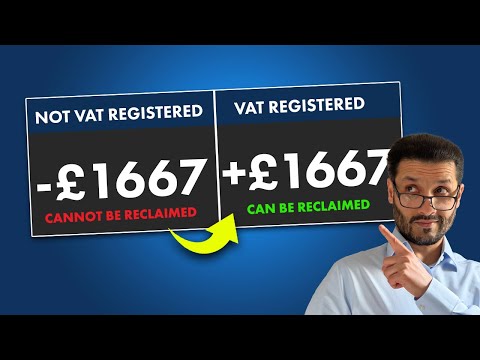
If you’re under the threshold but still want to register voluntarily—maybe because you want to reclaim VAT on your purchases—you can do that too! It’s super helpful for many small businesses.
Once registered, you’ll be given a VAT number. This number needs to go on all your invoices. Seriously—if you forget it and get audited later on? That could be an issue.
Every quarter (or annually if you’re paying annually), you’ll need to submit what’s called a VAT return. This document summarizes all the sales you’ve made and the VAT you’ve collected as well as any purchases where you’ve paid VAT. The thing is—you need to pay any difference between what you’ve collected and what you’ve paid out.
Let’s say your cafe sells coffee for £3 each and this includes £0.50 of VAT. When your turnover climbs above the threshold? You’ll need to collect the full amount of VAT from each coffee sold – £3 total still goes into your till.
Don’t forget about VAT rates. Most goods and services are charged at 20%, while some things like children’s clothes or food sold in supermarkets fall under zero-rated or reduced rates at 5%. Knowing which rate applies can save you a lot of money!
So here’s where it gets interesting – keeping records! You’re expected by law to maintain accurate records of sales and purchases for at least six years. Imagine running into problems later because your files weren’t in order? No thanks!
In summary: If running a business sounds like something you’d dive into one day:
- You will need to register once your taxable turnover hits £85k.
- If you’re below this but want benefits from being registered – go for it!
- Keep track of everything for those quarterly returns.
- Know those flat-rate percentages – they can really impact your bottom line.
- Record-keeping isn’t optional; it’s vital!
Handling VAT may seem daunting at first glance but knowing these basics puts you ahead of the game! Keeping everything squared away not only helps legally but makes for smoother sailing with finances too. Seriously—no one wants added stress when they’re just trying to run their dream business!
Understanding VAT Registration Requirements in the UK: Is It Mandatory?
So, you’re running a business, and the question of VAT (Value Added Tax) registration comes up. Is it mandatory? Well, the answer isn’t just a simple yes or no. It really depends on a few crucial factors. Let’s break this down.
First off, if your taxable turnover exceeds **£85,000** in a rolling 12-month period, you’re legally required to register for VAT. That means if you’re making sales over that amount, failing to register could lead to some pretty hefty penalties later on. You definitely don’t want that!
But what if your turnover is below that threshold? Well, you might think you can breathe easy. However, even if you’re under the limit, you can still choose to register voluntarily. This could be beneficial because it allows you to reclaim VAT on purchases related to your business. For instance, let’s say you buy equipment or supplies; being registered means those costs could be lower once VAT is claimed back.
Now let’s talk about the types of supplies you make because they can affect your VAT situation too. If most of what you’re selling is exempt from VAT or zero-rated (like certain food items or children’s clothes), then registering may not make sense for you.
Here’s where it gets a bit tricky: staying aware of your turnover is crucial—not just when you’re starting out but also as your business grows. You may find yourself cruising along happily below that £85k mark one year and then suddenly skyrocketing over it the next year without even realizing it! So yeah, keeping an eye on those figures? Definitely key.
Another point to think about is how you’ll manage the paperwork and compliance involved with being registered for VAT. There are rules around keeping proper records and submitting returns regularly (usually every quarter). If this sounds daunting—and let’s be real, for many small business owners it can be—make sure you’re ready for that commitment before registering.
Also important: there are some exceptions depending on specific circumstances like being part of a group or making late registrations due to special conditions. Those details get nuanced fast!
And finally—not all businesses need to worry about registering for VAT. If you’re dealing strictly in goods or services that don’t require registration at all (like selling antiques online under certain thresholds), then you’re likely in the clear!
In summary:
- Mandatory Registration: Required once taxable turnover exceeds £85k.
- Optional Registration: You can register voluntarily even below £85k.
- Types of Supplies: Some may be exempt or zero-rated.
- Papers & Returns: You’ll have monthly/quarterly obligations.
So there it is! VAT registration isn’t something to overlook but understanding your specific situation gives clarity about whether it’s mandatory for you or simply an option worth considering!
Understanding the Obligations of VAT Registered Taxpayers: A Comprehensive Guide
Sure! Here’s a breakdown of understanding the obligations of VAT registered taxpayers in the UK.
What is VAT Registration?
So, basically, if your business’s taxable turnover exceeds £85,000 in a year, you gotta register for VAT. This applies to goods and services you sell. Once you’re registered, HMRC gives you a unique VAT registration number. You’ll use this for all your VAT-related dealings.
Your Main Obligations
Now that you’re on the VAT train, there are several obligations you need to keep in mind:
- Charge VAT: You need to charge VAT on all applicable sales. It’s not optional! If you’re selling a product or service that’s taxable, add the relevant rate—like 20% for most goods.
- Keep Records: Seriously, keep good records. You need to document everything related to sales and purchases. This includes invoices and receipts.
- Submit VAT Returns: You’ll usually submit these quarterly or annually. The return shows how much VAT you’ve charged and how much you can reclaim.
- Pay Your VAT: If you owe anything after submitting your return, make sure to pay it on time. Otherwise, penalties can kick in.
- Display Your Prices Correctly: When advertising or selling, make sure it’s clear whether prices include or exclude VAT.
The Importance of Deadlines
Missing deadlines is like playing with fire—you really don’t want to go there. Make note of when your returns are due and set reminders! Late submissions can lead to fines which nobody wants.
The Record-Keeping Game
Keeping track of your records isn’t just about being organised; it’s also a legal requirement. You must keep accounting records for at least six years. Don’t toss those receipts!
Imagine your business is thriving one day then suddenly HMRC audits you—it happens more often than you’d think! Without proper papers? You could be in serious trouble.
Your Rights as a Taxpayer
While you’ve got obligations, remember: you also have rights!. For instance:
- You have the right to get advice from HMRC about your obligations.
- You can appeal if you’re not happy with any decisions made by HMRC.
- Your information should always be kept confidential by HMRC unless permitted otherwise by law.
Anecdote Time!
You know what? I once chatted with a small business owner who thought they’d save some cash by not registering for VAT until they hit that £85K mark. Honestly? They ended up racking up fines because they were charging customers without being compliant. It was a hard lesson learned!
In short, understanding your obligations as a VAT-registered taxpayer is key. Stay organized, meet deadlines and remember—HMRC is there for questions too! Keeping everything transparent helps both you and them sleep better at night!
When it comes to running a business in the UK, VAT registration is one of those topics that can feel a bit overwhelming. You might be sitting there thinking about whether you should register or not, and honestly, it’s a big deal. I remember chatting with a friend who started a small online shop. She was hesitant about registering for VAT, fearing it would complicate things. But once she got into it, she realised it wasn’t as scary as she thought.
So, what exactly is VAT? Value Added Tax (VAT) is a consumption tax assessed on the value added to goods and services. In the UK, businesses with a taxable turnover exceeding £85,000 must register for VAT. This means you need to keep an eye on your sales—if you hit that threshold within any 12-month period, it’s time to take action.
You know how life throws curveballs? Sometimes, you might think you’re safe from crossing that threshold but then boom—a surge in sales! If that happens and you haven’t registered yet, there could be penalties down the line. The thing is, being proactive about this can save you from future headaches.
Once you’re registered, you’ll have to charge VAT on your sales and submit regular returns to HMRC. Sure, it sounds like more paperwork than before—who really enjoys that? But it’s important because it gives your business credibility and allows you to reclaim some VAT on your purchases.
Now there’s also this misconception out there: people think they won’t have customers if they add VAT to their prices. But many customers expect it from businesses nowadays. Think of it like this: if they’re buying something online, they’ve probably seen those extra charges before.
And here’s where it gets even more interesting: some businesses might choose not to register voluntarily if their turnover is below the limit. There are pros and cons here too—it could simplify things for smaller enterprises but also mean missing out on reclaiming input tax.
Honestly though? Whether you’re just starting out or are established already, understanding the ins and outs of VAT can help keep your business compliant while minimising potential risks down the road. So next time you’re weighing options around registration, remember my friend’s experience—it’s not just about following rules; it’s about setting yourself up for growth without unnecessary burdens later!


