
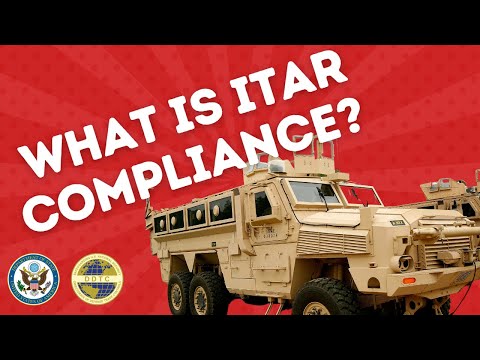
Did you know that in the world of trade, there are rules so strict they could make a referee look like a softy? Seriously! Imagine trying to export something cool, like high-tech gadgets, and then suddenly getting tangled up in legal red tape because you forgot one tiny detail.
That’s where ITAR comes in. It stands for the International Traffic in Arms Regulations. Sounds fancy, right? But in simple terms, it’s all about making sure sensitive stuff doesn’t end up in the wrong hands.
The information on this site is provided for general informational and educational purposes only. It does not constitute legal advice and does not create a solicitor-client or barrister-client relationship. For specific legal guidance, you should consult with a qualified solicitor or barrister, or refer to official sources such as the UK Ministry of Justice. Use of this content is at your own risk. This website and its authors assume no responsibility or liability for any loss, damage, or consequences arising from the use or interpretation of the information provided, to the fullest extent permitted under UK law.
Now, if you’re in the UK and dealing with any of this, buckle up! You’ve got some legal stuff to navigate. But don’t worry; I’m here to break it down for you so it doesn’t feel like translating ancient Greek. Let’s unpack what you really need to know about ITAR compliance without all the lawyer jargon. So grab a cuppa and let’s chat!
Understanding Regulatory Compliance in the UK: Key Concepts and Requirements
Understanding regulatory compliance can feel like navigating through a dense forest. With all the laws and rules, it’s easy to get lost. In the UK, businesses need to pay attention to a bunch of regulations, especially when it comes to sensitive areas such as defense and technology. The International Traffic in Arms Regulations (ITAR) is one of those regulations that might make your head spin. Let’s break it down.
First off, you need to know what ITAR is all about. Basically, it’s a set of U.S. laws that govern the export and import of defense-related articles and services. While it’s American legislation, if you’re doing business with US companies or handling their products in the UK, it’s something you have to think about.
So, what are some of the key concepts you should be aware of? Well, here are some:
- Controlled Items: These are goods or technologies that have specific regulations under ITAR. If your business deals with military products or related technologies, these controls apply.
- Export Licensing: You may need special permission before you can export certain items out of the UK or even share technical data with foreign nationals.
- Compliance Programs: Developing an internal program helps ensure everyone in your company understands ITAR and follows all relevant protocols.
Now let’s talk about compliance requirements. To comply with ITAR, businesses usually need to do a few things:
- Create an internal compliance plan: This outlines how you’re going to meet all these requirements.
- Staff training: Everyone involved needs to understand their roles in keeping things compliant.
- Audit trails: You should maintain records documenting how your company complies and tracks where sensitive materials go.
But here’s where it gets real – the implications for non-compliance can be serious. Imagine this: a small tech firm develops groundbreaking software for defence applications but accidentally shares classified data without realizing it was under ITAR restrictions. The fallout could range from hefty fines to even prison time for individuals involved!
Staying compliant not only protects your business but also builds trust with partners and customers who want reassurance that their information—and that of everyone involved—is handled seriously.
Navigating through regulatory compliance can be tricky since each situation is unique—like a snowflake! Make sure you’re constantly reviewing your practices because regulations can change too.
In summary, if you’re working with defence-related technology linked to ITAR in the UK, understanding these key concepts and requirements is crucial for smooth sailing in your ventures while avoiding potential pitfalls down the road. Keep your eyes peeled and stay informed—regulatory compliance is no small feat!
Understanding ITAR Compliance Requirements: A Comprehensive Guide
I’m really glad you’re interested in ITAR compliance and its legal considerations. So let’s break this down in a way that’s easy to understand.
The International Traffic in Arms Regulations (ITAR) is a U.S. regulation that controls the export and import of defense-related articles and services. Even if you’re in the UK, you can still be affected by it if you’re dealing with U.S. defence articles or services, which could be a bit tricky, right?
First off, know that ITAR compliance is about protecting U.S. national security. If your business or organisation works with items on the U.S. Munitions List (USML), you’ll need to understand these rules seriously. This includes anything from weapons to military technology.
Here are a few key points to keep in mind:
Now, let me tell you how important this can be! A friend of mine worked for a tech company that designed defense software but was completely unaware of ITAR rules at first. They ended up accidentally sharing their research with a foreign partner without getting the right licenses first. The result? Serious fines and a big headache for everyone involved! So, it’s crucial to stay on top of these regulations.
Another thing is the PENALTIES. Non-compliance can land you hefty fines or even jail time if things go really sideways! It’s like playing with fire—just don’t do it if you’re not sure how to handle it.
In terms of what happens when you’re dealing with info or products covered under ITAR:
So, basically, make sure you know what’s at stake before diving into anything that might involve U.S.-controlled items. If you’re uncertain about compliance and want to avoid headaches down the road, consulting someone who specializes in this area could save your skin!
In summary? Keep your eyes open about what ITAR entails and always prioritize following those regulations carefully! It may seem overwhelming now, but trust me—taking these steps will definitely pay off in the long run!
Three Essential Steps for Ensuring ITAR Compliance in Your Organization
When we talk about ITAR compliance in the UK, it’s all about handling defense articles and services properly. If you’re running a business that deals with these items, you gotta make sure you’re following the rules. Here’s a guide on three essential steps to achieve compliance, shall we?
1. Understand What ITAR Is
First off, you need to get a grip on what the International Traffic in Arms Regulations (ITAR) actually covers. Basically, it’s about controlling the export of defense articles and services. Think of it as a way to keep sensitive military information in check.
If your organization deals with anything that could be classified as military equipment or technology—like firearms or even specific software—you need to know if it’s on the ITAR list.
2. Register with the DDTC
Next up, you’ve got to register with the Directorate of Defense Trade Controls (DDTC) in the US. This is super important! If you’re handling any ITAR-controlled materials, registering is like giving a heads-up that you mean business when it comes to compliance.
This can feel overwhelming at first—there’s a lot of paperwork involved—but it’s crucial for staying in good stead with regulations. Missing this step can lead to some hefty fines or worse!
3. Implement Robust Security Measures
The final step involves putting solid security measures in place. We’re talking about physical security and cybersecurity to protect your sensitive data. You don’t want any unauthorized folks snooping around!
- Your staff should be trained on ITAR protocols.
- Access to controlled information should be strictly monitored and limited.
- Your systems have to be regularly audited for compliance.
This isn’t just about ticking boxes; it’s about creating a culture where everyone understands their role in keeping things secure and compliant.
To wrap things up, making sure your organization is ITAR compliant is no small feat but breaking it down into these three steps can make things feel more manageable! Stay informed, stay registered, and most importantly—stay secure!
When it comes to International Traffic in Arms Regulations (ITAR) compliance, it can feel a bit overwhelming, especially if you’re not quite familiar with how these regulations work. Like, the thought of navigating through laws that deal with arms and defense items can send anyone’s head spinning, right? But seriously, understanding ITAR is crucial for businesses in the UK that engage in activities involving such goods.
So picture this: you’re a small tech company that just landed a contract to supply software for military applications. Exciting stuff! But then you realize you need to comply with ITAR. That’s when the panic might set in. You think about all the paperwork and regulations you need to understand but hey, don’t stress too much just yet.
First off, what’s important here is recognizing that ITAR is all about controlling exports of defense-related articles and services. If your product or service falls under “defense”, then yes, you’ll need to get familiar with these rules. The U.S has strict controls on who can access this kind of material—so if you’re dealing with U.S companies or products, the stakes are high.
You might be wondering how this even relates to the UK? Well, it’s not just an American thing; it’s global. Your obligations can stretch across borders depending on who your partners are and where they’re located. It’s all about following those regulations… seriously important stuff!
Now let’s think about practical steps for compliance. You’ll want to implement effective controls within your company—this includes training staff on recognizing classified materials and having solid record-keeping practices. It’s not just good practice; it shows you’re serious about compliance.
And don’t forget about licenses! You may need them for exporting goods or services deemed “defense articles.” There can even be implications for your UK-based staff if they access controlled information related to ITAR—you really don’t want things getting messy there!
But here’s where it gets tricky: navigating both UK export control laws and U.S ITAR requirements at the same time isn’t always straightforward. If you’re doing business internationally, staying compliant means keeping an eye on both sides of the pond.
You know those moments when you feel totally out of your depth? That’s how many businesses feel when diving into these legal waters. So take a breath! Remember, reaching out for expert advice can truly make a difference—you don’t have to tackle this alone.
In sum, while it may seem daunting at first glance, getting clued up on ITAR compliance can actually empower your business as you expand its horizons into global markets. And once you’ve got a grip on it all? Well then you’ve opened yourself up to some amazing opportunities—just don’t forget those legal considerations along the way!


