
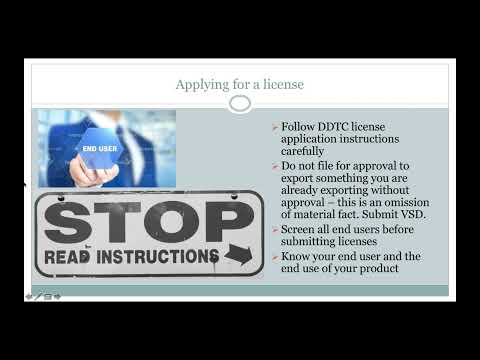
Have you ever tried to decipher a really complicated recipe? You know, the kind that makes you question if you should’ve just ordered takeout instead? Well, navigating ITAR compliance in the UK can feel a bit like that! Seriously, it’s a maze of regulations and paperwork that can make even the most seasoned legal professionals scratch their heads.
Picture this: you’re in your office, coffee in hand, and suddenly you find out a client needs help with ITAR. You think, “Great! What on earth is that?” Spoiler alert: it’s not just another techy acronym. It stands for the International Traffic in Arms Regulations. And if you’re not careful, getting tangled up in compliance can lead to some hefty penalties.
The information on this site is provided for general informational and educational purposes only. It does not constitute legal advice and does not create a solicitor-client or barrister-client relationship. For specific legal guidance, you should consult with a qualified solicitor or barrister, or refer to official sources such as the UK Ministry of Justice. Use of this content is at your own risk. This website and its authors assume no responsibility or liability for any loss, damage, or consequences arising from the use or interpretation of the information provided, to the fullest extent permitted under UK law.
But don’t sweat it! We’re gonna break it down together. Understanding ITAR doesn’t have to be this daunting monster lurking under your desk. You follow me? I’ll walk you through the essentials so you can feel confident tackling these regulations without losing your marbles.
Essential Strategies for Ensuring ITAR Compliance in Your Organization
Sure thing! Let’s break down ITAR compliance in a way that’s easy to wrap your head around.
The International Traffic in Arms Regulations (ITAR) can feel like a maze, especially if you’re in the UK and dealing with defense-related materials. It’s all about controlling the export and import of defense articles and services. The goal? To keep sensitive military technology out of the wrong hands. But how do you ensure your organization is compliant? Here are some essential strategies:
- Understand What Falls Under ITAR: You really need to know what items, technology, and services are classified as defense articles. This could include anything from weapons to manufacturing equipment designed for military use.
- Training Your Team: A big part of compliance is education. Everyone in your organization, from management down to the admin staff, should grasp ITAR rules and understand their implications. Regular training sessions can help keep everyone up to date.
- Implement Internal Controls: Think of these as your organization’s safety net. Establish clear processes for handling ITAR-controlled items, including who has access to specific information and how it’s shared internally or externally.
- Maintain Accurate Documentation: Keeping detailed records is key. You should be able to track everything—export licenses, correspondence about defense articles, and even internal communications regarding compliance matters.
- Regular Audits: Conducting self-audits can help catch any slips before they become major issues. Look for gaps in your compliance efforts and address them promptly. This proactive approach can save you from hefty fines or worse.
- Cultivate a Compliance Culture: It’s important that ITAR compliance isn’t treated as just another box to check but becomes part of your company culture. Encourage employees to speak up about concerns or potential violations without fear of retribution.
Now here’s where it gets really interesting—let’s think about what happens when things go wrong. Imagine a company accidentally exports certain software designed for military applications without realizing it was under ITAR regulations. They could face severe penalties, not just financial but also reputational damage that might take years to repair.
So basically, ensuring ITAR compliance isn’t just about avoiding fines; it’s about handling sensitive technology responsibly and ethically.
In short, staying compliant with ITAR isn’t just a one-off task—it’s an ongoing process that requires attention, teamwork, and commitment at all levels of your organization!
Understanding ITAR Compliance: Identifying Key Entities and Responsibilities
Understanding ITAR Compliance can feel a bit overwhelming, especially if you’re not familiar with all the technical jargon and requirements. But don’t worry! Let’s break it down in a way that makes sense.
So, what exactly is ITAR? Well, it stands for International Traffic in Arms Regulations. Basically, it’s a U.S. law that controls the export and import of defense-related articles and services. It was created to ensure that sensitive defense information doesn’t fall into the wrong hands.
Now, who does ITAR apply to? That’s where things get interesting—and a bit complicated.
Key Entities Involved:
- Manufacturers: If you’re making defense articles or related services, you’re on the ITAR list. This means you need to register with the U.S. Department of State.
- Exporters: Anyone exporting items or information covered by ITAR needs to ensure compliance. This is crucial because penalties for non-compliance can be hefty.
- Foreign Persons: If any foreign parties are involved—be it through partnerships or employment—you have responsibilities toward them too.
- Technical Data Handlers: It covers anyone handling sensitive data related to defense articles. Whether it’s documentation or software, it’s important!
Here’s an anecdote for you: A small tech firm in London was developing software for military drones. They thought they were safe since they weren’t directly involved with hardware production. But when they learned about the implications of sharing technical data with non-U.S citizens, they quickly realized how vital understanding ITAR compliance was for their business operations.
Now onto responsibilities! If you’re dealing with anything related to arms or defense (or even just information about them), here’s what you need to consider:
- Registration: If your business falls under these regulations, registering is essential.
- Sourcing Authorization: You must get proper authorization before exporting anything covered by ITAR—this includes technology transfers!
- Record-Keeping: You’ll have to maintain detailed records of all transactions and communications regarding these items.
The thing is, failure to comply can lead not just to fines but also severe repercussions like losing your export privileges or even criminal charges in extreme cases.
And let’s keep in mind that while ITAR is a U.S.-based regulation, its reach can extend globally—affecting UK entities dealing with U.S.-origin materials or technology.
Remember that navigating these waters isn’t just about knowing the rules but also regularly reviewing your practices and legal obligations. What might seem simple could turn complex very fast!
In summary, understanding who falls under ITAR and what responsibilities come along with it is key for anyone involved in defense-related work—even if you’re based outside the U.S.! So keep your eyes open and make sure you’re on top of things!
Understanding ITAR Restrictions: Are Non-U.S. Citizens Affected?
So, let’s talk about ITAR, which stands for the International Traffic in Arms Regulations. These U.S. regulations control the import and export of defense articles and services. You might be thinking, “That’s all well and good, but how does it affect someone like me, especially if I’m not a U.S. citizen?” Well, let’s break it down.
What is ITAR?
ITAR is primarily aimed at protecting national security and promoting foreign policy interests. It governs items specifically designed for military applications. If you’re involved in any business that deals with these kinds of defense articles or related services, you need to pay attention.
Non-U.S. Citizens and ITAR
Now here’s where it gets interesting. ITAR restrictions can indeed impact non-U.S. citizens! You see, under these regulations, anyone who handles controlled items or information must comply with them, regardless of their nationality.
Key Points:
- Affected Activities: If a non-U.S. citizen is involved in projects related to defense articles—think aerospace technologies or advanced weaponry—they may face restrictions.
- Employment Limitations: Companies working with ITAR-controlled materials often can’t hire non-U.S. citizens without applying for special licenses.
- Access to Information: Non-citizens may be prohibited from accessing sensitive technical data related to these controlled items.
Imagine a scenario where you’re working on a cutting-edge technology project involving aerospace systems at a UK-based firm that regularly collaborates with U.S. defense contractors. You could find yourself facing hurdles simply because you aren’t a U.S. citizen!
The Licensing Requirement
If you’re a non-citizen involved in any way with ITAR-controlled activities, your company must apply for licenses through the U.S. Department of State before you can participate in those activities legally.
Now, this process can be pretty complex! Companies have to demonstrate why allowing foreign nationals access is necessary, amid concerns about national security implications.
Potential Consequences
So what happens if these regulations aren’t followed? The repercussions can be pretty severe! Violating ITAR could lead to hefty fines or even criminal charges against individuals and companies alike—serious stuff!
It’s worth noting that companies strive for compliance not just because they want to avoid penalties but also because they want to protect sensitive information from falling into the wrong hands.
Your Rights as a Non-Citizen
If you’re concerned about how these restrictions might impact your career or business opportunities, consider speaking up! Employers should clearly communicate any limitations imposed by ITAR regulations so you know where you stand.
In short, yes—non-U.S. citizens are affected by ITAR restrictions when it comes to handling controlled items or data related to military applications. So if this topic is relevant for you or your work in the UK legal practice space? Well then, keep yourself informed!
Navigating ITAR compliance can feel like walking through a maze, especially in the context of UK legal practice. You might be wondering, what’s ITAR? Well, it stands for the International Traffic in Arms Regulations, and it’s a bit of a beast. Initially designed for the US, it affects companies and individuals dealing with defense articles and services. So why does it matter here in the UK?
Picture this: You’re a lawyer representing a tech company that’s developed a cutting-edge drone system. Your client wants to sell this technology internationally, but they’ve got to be careful. If there’s even a hint that their product falls under ITAR, they could face serious penalties if they don’t comply with these regulations. It’s stressful, right?
The thing is, ITAR compliance isn’t just about ticking boxes; it involves understanding your client’s operations inside out. You need to know whether any component of their goods or services has military applications or if they’re linked to US-origin technology. This can get tricky because what seems like harmless technology might actually have strings attached.
In practice, lawyers have to dig deep into contracts and agreements while keeping an eye on export controls and licensing requirements. Collaboration with export compliance specialists can make a huge difference here as you navigate through these complex regulations.
But here’s where it gets interesting. Even though ITAR originates from the US, its implications stretch into global dealings—especially for UK businesses looking to trade with American firms or government agencies. Think about how intertwined our economies are! So you’ll want to ensure your clients stay on the right side of the law without feeling overwhelmed by the red tape.
When I think about compliance at its core, it’s really about keeping people safe while also allowing innovation to flourish in our global markets. There can be an emotional weight behind making sure everything is above board—the worry that one misstep could lead to significant setbacks for your client or even legal repercussions.
So as you take on cases involving ITAR compliance in your legal practice, remember it’s more than just rules and regulations; it’s about supporting businesses so they can grow responsibly while staying within legal boundaries. It’s challenging work but crucially important—sort of like being a guardian at the gates of international trade!


