
Imagine you’re at a local café, enjoying a lovely slice of cake. You take a big forkful, and right there, you realize—what on earth is in this? Is it gluten-free? Does it have nut traces? So many questions!
Well, that’s where EU Regulation 1169/2011 steps in. It’s all about food labeling and consumer rights. And let me tell you, it’s more important than you might think! The thing is, this regulation has had quite the journey, especially after Brexit.
The information on this site is provided for general informational and educational purposes only. It does not constitute legal advice and does not create a solicitor-client or barrister-client relationship. For specific legal guidance, you should consult with a qualified solicitor or barrister, or refer to official sources such as the UK Ministry of Justice. Use of this content is at your own risk. This website and its authors assume no responsibility or liability for any loss, damage, or consequences arising from the use or interpretation of the information provided, to the fullest extent permitted under UK law.
Now that the UK is stepping away from EU rules, the implications are huge. What does this mean for your cake at the café or those store-bought snacks? Let’s dig in and see how this regulation affects you and what it means for UK law. Seriously, you’re gonna want to know!
Understanding EU Regulation 1169/2011: Key Implications for UK Law Explained
Alright, so let’s talk about EU Regulation 1169/2011. This is a pretty significant piece of legislation that was all about food information. It aimed to make sure that consumers got all the important details they needed when buying food products. Now, since the UK has left the EU, you might be wondering how this regulation still matters.
First off, you should know that this regulation basically required food labels to include clear and accurate information. Things like ingredients, allergens, and nutritional info had to be disclosed. This was meant to empower you as a consumer so you could make informed choices about what you eat.
So what are the key implications for UK law now? Well, here’s the lowdown:
- Retained Law: Even after Brexit, many EU regulations were kept in UK law under something called The European Union (Withdrawal) Act 2018. That means certain parts of Regulation 1169/2011 still apply here. It’s like keeping your old gym membership just for the access to those sweet facilities!
- Food Labelling Standards: The UK government has said it will maintain similar labelling standards to ensure consumers get vital information. So if you’re in a supermarket and checking out labels, don’t expect things to change overnight.
- Allergens & Safety: The rules around allergens are still very much enforced. If a product contains major allergens like peanuts or gluten, manufacturers must clearly state this on their packaging. You wouldn’t want to accidentally buy something that could make you sick!
- Potential Changes Ahead: Now that we’re out of the EU, there might be future changes in labeling laws as the UK makes its own decisions. This could lead to differences over time—so keep an eye on it!
A little anecdote here: My friend once grabbed a snack from a store without checking the label—turns out it had nuts in it! He wasn’t allergic but learned quickly how essential those labels can be!
The crucial thing is that while Regulation 1169/2011 has some staying power in the UK right now, everything’s still evolving. The government may tweak things over time based on new policies or public health needs.
In summary, understanding these regulations helps not only with compliance but also ensures that your choices as a consumer remain informed and safe! And who wouldn’t want that?
Understanding Regulation (EU) No 1169/2011: Essential Guidelines for Food Information Transparency
Understanding Regulation (EU) No 1169/2011 is pretty crucial if you’re into food labeling or just want to know what’s on your plate. This regulation came into play to make sure that food information is clear and easily accessible. Even though the UK has left the EU, this regulation still influences how food businesses operate here.
So, what does it actually cover? Well, it focuses on two main areas: food information transparency and consumer protection. You know how sometimes labels are just a bit confusing? This regulation aims to change that.
One of the key points is that food businesses must provide certain information clearly on packaging or when selling food. This means:
- Ingredients List: All ingredients need to be listed clearly, so you can see exactly what’s in your food. For example, if there’s gluten in a product, it should be easy for someone with allergies to spot.
- Nutritional Information: This includes calories and other nutrients per serving. It helps you make healthier choices.
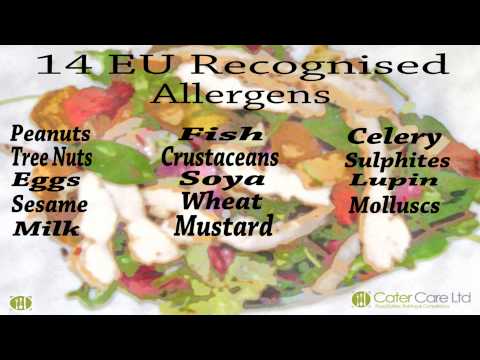
- Allergen Information: If there are common allergens like nuts or dairy, they have to be highlighted—often in bold or a different font—so you can’t miss them.
The thing is, failure to comply with these rules can lead to fines or even recalls of products from shelves. Just imagine a scenario where someone buys a ready meal not realizing it contains an allergen, only for them to have an allergic reaction because the label wasn’t clear enough—that would be pretty serious!
Additionally, there’s been some debate post-Brexit about whether the UK will stick closely to these regulations or create its own framework moving forward. Some businesses still follow similar labeling practices since they want to sell in both markets.
You might wonder how this affects small businesses compared to larger corporations. Well, smaller food producers might find it tougher because they usually have fewer resources for compliance—like redesigning labels or keeping track of ingredient changes.
And here’s another interesting angle: provision for origin labeling! Knowing where your food comes from has become more important lately. For instance, if you’re buying olive oil, you might want to know if it’s from Italy or somewhere else entirely—it adds value!
In essence, Regulation (EU) No 1169/2011 plays a big role in how we understand what we eat every day. It makes sure companies don’t hide behind vague terms and ensures you’re getting all the info you need before making a purchase decision.
So next time you’re at the supermarket and glance at those labels, remember there’s more than just marketing magic behind them; there’s a framework aimed at keeping you informed and safe!
Comprehensive Guide to Regulation (EU) No 1169/2011: Downloadable PDF Overview and Key Insights
Sure thing! So, let’s get into EU Regulation 1169/2011 and its implications for UK law. This regulation, often called the Food Information Regulation, is pretty crucial if you’re in the food industry or just someone who loves eating well. It aims to make sure that food is labeled clearly and accurately so consumers can make informed choices.
First off, what’s it all about? This regulation covers a ton of things like labeling requirements, allergen information, and nutritional details on food products. It was all designed to help people understand what’s in their food—because let’s be real, nobody wants to bite into something that could harm them due to an allergy.
Key elements of the regulation include:
- Transparency: Food labels must be clear and easy to read.
- Additives: Any additives used in the products must be listed with their specific names or E-numbers.
- Nutritional info: You’ve got to have calorie counts and nutritional values laid out for everyone.
- Origin labeling: Food products need to indicate where they actually come from—no more mystery food!
Now, you might be wondering what this means post-Brexit since the UK has left the EU. Well, here’s where it gets interesting! Initially, the UK adopted a lot of these regulations into its own law through the European Union (Withdrawal) Act 2018. That means for now, many of these rules still apply here.
However, over time, things could change as the UK looks at adapting or even scrapping some regulations. The government might decide to loosen rules around food labeling or even introduce new ones altogether based on local preferences and industry needs.
There are several reasons this is relevant for businesses as well as consumers:
- Compliance Requirements: If you’re a food business owner in the UK, you still need to follow these labeling laws until any changes are made.
- Consumer Trust: Clear labeling builds trust; customers feel safer buying from brands that provide all necessary info.
- Avoiding Fines: Not complying with existing regulations can lead to hefty fines—something no one wants!
Here’s an example: Imagine you’re allergic to nuts but go ahead and buy some cookies that don’t clearly mention they contain traces of nuts. What a mess! If proper guidelines aren’t adhered to; it creates risks not just for consumers but also damages brand reputations.
In practical terms, if you’re involved in any business related to food production or selling—even if it’s just a small stall at your local market—you’ve got a responsibility under this regulation. You have to ensure your products are correctly labeled so folks know exactly what they’re getting.
To wrap this up (not literally!), while EU Regulation 1169/2011 plays a significant role at present due to its adoption into UK law post-Brexit; keep your eyes peeled! Changes can happen anytime as we move further away from EU standards. Staying informed is key for both businesses and consumers alike.
That’s kind of it really! Hope that clears things up about EU Regulation 1169/2011!
So, let’s talk about EU Regulation 1169/2011. Sounds a bit dry, right? But stick with me here, because it does have some real-life implications for people in the UK. This regulation is all about food information and labeling. It was designed to make sure that consumers get clear and accurate information about what they’re eating. Pretty important stuff, if you think about it!
This regulation was put in place to help folks make informed choices—like knowing if a product contains allergens or if it’s been genetically modified. Can you imagine biting into something that you’re allergic to without any warning? Yikes! I remember my friend once had a horrible experience at a restaurant when they didn’t list allergens properly; it was scary and stressful.
Now, after Brexit, things got a little tricky. The UK decided to part ways with EU laws, which means EU Regulation 1169/2011 isn’t automatically applicable anymore. But here’s the thing: the UK still wants to keep high food safety standards, so it essentially retained much of this regulation through its own laws.
But there’s more to it. The way the UK government decides to enforce these rules can differ from how the EU would do it. This might create confusion for businesses and consumers alike. Different labels and info regarding food products might end up causing misunderstandings or even lead to people not being aware of what’s actually in their food.
And let’s not forget those poor businesses trying to navigate this landscape! They’ve got to ensure they’re complying with these regulations while also keeping customers happy and safe. It can feel like walking a tightrope!
In short, while Regulation 1169/2011 was aimed at protecting consumers across Europe, its implications now play out differently here in the UK post-Brexit. Keeping up with changes in food labeling is super important for both you and me as consumers—and let’s face it, food is something we all care about! Being aware of these regulations helps us make safer choices every day at the grocery store or when we’re dining out with friends—without any nasty surprises!


