
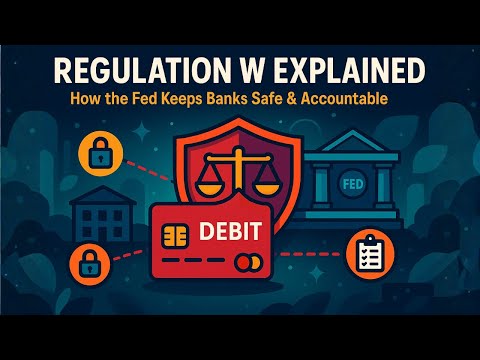
Picture this: you’re sitting in a café, sipping on your flat white, and overhear a couple of lawyers discussing something called Regulation W. What could that possibly be about? Sounds fancy, right?
Well, it’s not just legal jargon. Regulation W is all about how banks and their affiliates interact with each other. Bet you didn’t see that coming! This stuff can get pretty interesting when you dig into what it means for practice here in the UK.
The information on this site is provided for general informational and educational purposes only. It does not constitute legal advice and does not create a solicitor-client or barrister-client relationship. For specific legal guidance, you should consult with a qualified solicitor or barrister, or refer to official sources such as the UK Ministry of Justice. Use of this content is at your own risk. This website and its authors assume no responsibility or liability for any loss, damage, or consequences arising from the use or interpretation of the information provided, to the fullest extent permitted under UK law.
You know, understanding these regulations can feel like solving a Rubik’s Cube sometimes—twisting and turning to find the right moves. So, let’s break it down together! What’s the deal with Regulation W, and why should we even care? Trust me, it’s more relevant than you might think!
Understanding the Main Purpose of Reg W: Key Insights and Implications
Reg W, or Regulation W, is a set of rules that focus on the relationships between banks and their affiliates. You see, banks often have various entities they’re connected to, like subsidiaries or other businesses. And Regulation W aims to make sure these connections don’t create riskier situations for the bank or its clients.
So, what’s the main purpose of Reg W? Basically, it’s all about keeping things fair and transparent. The regulation sets limits on how much a bank can lend to its affiliates and ensures that any transactions are at arm’s length—meaning they’re done under normal business conditions, just like any other deal. That way, banks can’t favour their own companies over others in the market.
Now let’s break it down further.
- Risk Management: Reg W helps manage potential risks that might arise when a bank gets overly involved with its affiliates. If too much money is tied up with related entities, it could negatively impact the bank’s stability.
- Protecting Customers: By enforcing arm’s-length transactions, customers are more secure knowing they’re not missing out because of unfair advantages given to affiliated businesses.
- Transparency: This regulation promotes transparency in financial dealings. Clients can see that a bank isn’t hiding behind its affiliate relationships.
Just picture a scenario where a large bank has several smaller companies under its umbrella. Without Reg W, this bank might choose to lend more money to one of its own companies without proper justification. And if things go south with that company? Well, you know who’d feel the pinch—the bank and its customers.
Now let’s talk implications for legal practice in the UK related to Reg W.
First off, understanding this regulation is crucial for lawyers who work with financial institutions. They need to ensure compliance while advising banks about their affiliate activities. If they miss something big or don’t keep up with changes in regulations? That could lead to some serious legal troubles.
Another thing is that it creates opportunities for legal professionals. As banks navigate these rules, there’ll be ongoing needs for guidance on structuring deals properly or reviewing existing arrangements between banks and their affiliates.
And lastly? It encourages ongoing education and training within firms so everyone involved knows what they’re doing regarding these regulations—keeping both clients and institutions safe from non-compliance issues.
So basically, Regulation W matters because it sets boundaries for how banks interact with affiliated entities while protecting consumers at the same time!
Understanding Compliance Requirements Under Regulation W: Key Insights for Financial Institutions
Alright, let’s dig into Regulation W and its compliance requirements for financial institutions in the UK. It’s a bit of a complex topic, but I’ll break it down for you.
So, what exactly is Regulation W? Well, this regulation is primarily focused on transactions between banks and their affiliates. The main goal here is to prevent conflicts of interest and ensure that transactions are done fairly. You don’t want one part of a bank to take advantage of another, right?
You might be wondering why compliance with Regulation W matters. Well, if financial institutions don’t follow these rules, they could face hefty fines or even legal action. It’s like being at school—if you don’t do your homework (aka comply), there are consequences.
- Types of Transactions Covered: Regulation W applies to various types of transactions between banks and their affiliates. This includes loans, asset purchases, and sales. Basically anything that involves the transfer of money or assets between these entities.
- Limits on Transactions: There are strict limits on how much a bank can lend or convey to its affiliates. This is to make sure that they don’t overexpose themselves financially.
- Disclosure Requirements: Institutions must disclose certain information about their transactions with affiliates. It’s all about transparency! If everything’s out in the open, it builds trust.
- Adequate Documentation: Keeping accurate records is crucial. Banks need to have proper documentation for all these transactions—you know, just in case someone comes knocking for an audit.
Let’s put this into perspective with an example: Imagine a bank lends money to one of its own investment subsidiaries. If the bank doesn’t keep track and complies with all the regulations under Regulation W, it could face serious repercussions later on if something goes wrong with that loan.
The regulators—think OFSI and PRA in the UK—are pretty keen on ensuring that banks adhere to these compliance requirements. They regularly check up on institutions and assess whether they’re following the rules laid out by Regulation W.
If you’re part of a financial institution or working in legal practice related to finance, it’s crucial to stay updated on any changes or updates regarding Regulation W. You don’t want any surprises popping up down the road!
The bottom line? Compliance with Regulation W isn’t just about following rules; it’s also about ensuring fair practices within financial systems and protecting consumers from potential risks associated with unfair affiliate transactions.
So there you have it—a rundown on understanding compliance requirements under Regulation W! Knowing your stuff here can make all the difference in maintaining both legal standards and consumer trust.
Essential Steps for Ensuring Reg W Compliance in Your Organization
Regulation W is a set of rules that basically governs how banks and their affiliates engage with one another. You might be wondering why it matters to your organization, right? Well, compliance with Reg W is crucial to ensure that your financial dealings are above board and legal, which can save you a lot of headaches down the line. Let’s break down how to ensure you’re compliant.
First off, understanding the basics is key. Regulation W focuses on the limitations that banks have when transacting with their affiliates. You’re looking at restrictions on both transactions and capital requirements. Knowing what qualifies as an affiliate is vital. For instance, if a subsidiary is more than 25% owned by a bank’s holding company, it’s treated as an affiliate.
Next up, you gotta establish proper policies. Having clear internal policies helps everyone in your organization understand what’s allowed under Reg W. So, set up guidelines relating to intercompany transactions between the bank and its affiliates. Making sure everyone’s on the same page can help prevent accidental violations.
Then, there’s monitoring transactions. Regular auditing of transactions between the bank and its affiliates is essential. You want to keep track of these dealings and ensure they adhere to limits set by regulation. For example, if your bank provides a line of credit to an affiliate, make sure it doesn’t exceed regulatory limits.
Don’t forget about training employees. Make sure staff members understand not just what Reg W is but also how it impacts their daily work. When I say training, I mean offering regular sessions or workshops focused on compliance issues can make a big difference in avoiding missteps.
And while you’re at it, maintaining open communication with regulators is a good move too. If you’re unsure about certain transactions or need guidance, don’t hesitate to reach out for clarification. This proactive approach can help build positive relationships with regulatory bodies.
Finally—this one’s crucial—document everything. Keep meticulous records of all transactions and communications regarding compliance efforts related to Regulation W. If things ever come into question later on, you’ll be glad you have everything documented nicely.
So yeah, those are some essential steps for ensuring Reg W compliance in your organization! Pay attention to these elements and keep things transparent; you’ll likely navigate any potential pitfalls more easily this way!
Regulation W, huh? It’s something that’s kinda crucial for those in the legal world, especially if you’re dealing with financial services. It’s not just another regulation; it actually sets out some pretty important stuff about how businesses should interact with their clients and manage conflicts of interest. It can feel a bit like a complex maze, but understanding it makes a difference in how you navigate the legal landscape, you know?
I remember a friend of mine who used to work at a financial firm. He was always stressed about compliance and all those regulations flying around. One day, he came to me all flustered, saying his company was struggling to keep up with the new rules. He felt like they were constantly treading water and just trying to stay afloat. That got me thinking about how essential it is for legal practitioners to have a solid grasp on these regulations, especially when advising clients or working in firms that deal with financial products.
Regulation W basically focuses on limiting the ability of banks and other financial institutions to engage in certain transactions that could lead to conflicts of interest or harm clients. So, imagine if you were a lawyer helping out a client who wanted to invest in something but didn’t fully understand the risks due to either misinformation or lack of transparency—yikes! Regulations like these aim to help ensure that doesn’t happen.
This regulation emphasizes more on ethical practices and accountability within the sector. It’s not just about following rules; it’s also about doing what’s right for customers. I mean, who wants to think they’re being taken advantage of? It’s all about trust.
In practical terms for lawyers, keeping an eye on Regulation W means ensuring your advice is sound, that clients understand their options fully, and also protecting them from any potential pitfalls related to their financial dealings. Because if something goes south due to negligence or misleading information, it can lead straight back to legal liability.
So yes, while navigating through Regulation W might seem tedious at times—it’s pretty critical stuff! For anyone involved in legal practice relating to finance or banking in the UK, brushing up on this regulation is time well spent. After all, it’s our job not only to know the ins and outs of laws but also how they impact real lives every day—just like my friend back then who worried over compliance while juggling his responsibilities at work!


