
You ever notice how some workplaces feel like a scene from an old sitcom? You know, the kind where everyone’s either underappreciated or overworked, and the boss is like, well, you really don’t want to know.
But here’s the thing: things are changing! Seriously, employment equality legislation in the UK is stepping up. It’s not just about avoiding those awkward stares anymore; it’s about real rights and opportunities for everyone.
The information on this site is provided for general informational and educational purposes only. It does not constitute legal advice and does not create a solicitor-client or barrister-client relationship. For specific legal guidance, you should consult with a qualified solicitor or barrister, or refer to official sources such as the UK Ministry of Justice. Use of this content is at your own risk. This website and its authors assume no responsibility or liability for any loss, damage, or consequences arising from the use or interpretation of the information provided, to the fullest extent permitted under UK law.
Imagine walking into your job feeling valued, no matter who you are or where you come from. Doesn’t that sound good? Well, that’s what all this legislation is about—making sure everyone gets a fair shot.
So let’s chat about how this whole thing works and why it matters so much today. You might be surprised at what you’re gonna learn!
Current Equality Legislation in the UK: An Overview of Key Laws and Regulations
Sure, let’s chat about the current equality legislation in the UK, particularly when it comes to advancing employment equality. There’s quite a bit of info to cover, and I’ll break it down so it’s easy to digest.
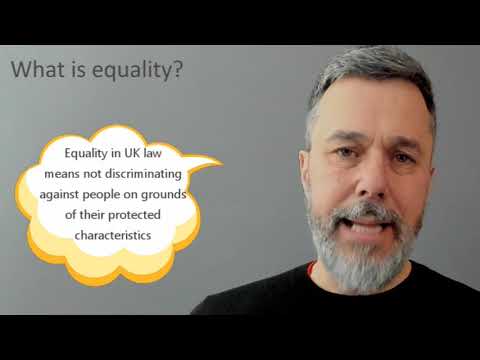
First up, the Equality Act 2010 is a major piece of legislation that wraps up various laws protecting people from discrimination. This Act simplifies and strengthens protections based on certain characteristics, often referred to as “protected characteristics.” These include:
- Age
- Disability
- Gender reassignment
- Marriage and civil partnership
- Pregnancy and maternity
- Race
- Religion or belief
- Sex
- Sexual orientation
Basically, if you’re treated unfairly because you belong to one of these groups, you could be facing discrimination. The thing is, this doesn’t just apply to hiring or firing. It covers everything from promotions to pay disparities, and even working conditions.
One important aspect of the Equality Act is the concept of ‘indirect discrimination’. This happens when a policy applies to everyone but puts some people at a disadvantage. For example, if a company has a rule that employees must work full-time hours without flexibility, it might disproportionately affect parents—or anyone who’s caring for someone—making it tricky for them to balance work and life.
Now let’s not forget about The Employment Rights Act 1996. While it’s primarily about protecting workers’ rights regarding unfair dismissal and other employment issues, it ties into equal treatment too. If someone faces unfair dismissal due solely to their protected characteristic—even if they were employed in a way that isn’t legally binding—they can challenge that.
You might also hear about The Equality and Human Rights Commission (EHRC). This body promotes equality and challenges discrimination across various sectors. They’re crucial in providing guidance on best practices for employers wanting to promote equality in their workplaces.
Shifting gears a bit here, there are also more specific regulations aimed at protecting different groups. For instance:
- The Special Educational Needs and Disability (SEND) Regulations 2014 focus on supporting children with disabilities.
- This helps ensure schools address discrimination against students with special needs.
And speaking of schools, there’s the Education Act 2010 , which tackles discrimination in educational settings as well. Schools have an obligation not just to admit students but to make sure they’re treated fairly while part of the educational system.
There’s been recent talk about advancing these laws even further in terms of policies like flexible working arrangements or enhanced parental leave—things that can help level the playing field for everyone involved (especially new parents).
So yeah, all this ties into how far we’ve come—and how much work still lies ahead—to ensure that workplaces are fairer for everyone across the UK. At its heart, equality legislation aims at fostering an environment where every person has an equal shot at success without being sidelined due to their background or circumstances.
In short: Equality legislation isn’t just bureaucratic red tape; it’s designed to create a fairer society where everyone gets a fair chance!
“Key Changes to UK Employment Law in 2025: What You Need to Know”
Key Changes to UK Employment Law in 2025: What You Need to Know
So, let’s talk about the big shifts happening in UK employment law in 2025. It’s crucial to be aware of these changes, especially if you’re an employer or an employee. Things are evolving, and it impacts everyone involved.
1. Advancing Employment Equality Legislation
One of the most significant updates is about advancing employment equality legislation. The government is focusing on closing the gender pay gap even more aggressively. You’ll see companies required to publish data about pay differences between male and female employees regularly, not just once a year.
The idea is that by constantly monitoring this information, companies will take it more seriously and work towards equal pay more effectively. It’s a step towards making sure everyone gets what they deserve for their hard work.
2. New Rights for Flexible Working
Another change coming up is around flexible working rights. Most likely, you’ll have the right to request flexible working from day one of your employment, instead of having to wait six months like it used to be. This means if you need time for family commitments or personal projects, your employer has to consider your request from the get-go.
Imagine you start a new job and want to adjust your hours so you can pick up your kids from school—this change could make that possible without waiting around.
3. Improved Protection Against Harassment
There’s also going to be tougher laws surrounding harassment at work. The new measures will aim at protecting employees better from bullying and harassment from colleagues or even clients. This isn’t just about formal complaints anymore; employers will need clear policies and training for staff on what constitutes harassment and how to address it when it happens.
It’s about creating a safer space where everyone feels respected and valued.
4. Increased Parental Leave Entitlements
Parents are getting more love with new parental leave policies too! Expect enhanced entitlements that make it easier for both parents to take time off when a new baby arrives or when adopting a child. Wait times will lessen, allowing both parents access to shared leave more efficiently.
Being able to support each other during those first months of parenting can make such a difference!
5. Stricter Regulations on Zero-Hours Contracts
Okay, let’s chat about zero-hours contracts—these guys have been under fire lately! With 2025 rolling in, there will be stricter regulations making things clearer around these contracts’ usage. Employers won’t be able to offer them without full transparency about what they mean for you as an employee.
If you’re on one of these contracts, understanding your rights becomes essential because you’ll need clarity on whether you’re being treated fairly regarding shifts and payments.
In summary? These changes are set up not only to protect employees better but also encourage fairness in workplaces across the UK. Staying informed helps ensure that whether you’re hiring or being hired, you’re ready for whatever comes next!
Understanding the New Employment Act in the UK: Key Changes and Implications for Workers and Employers
Understanding the New Employment Act in the UK
So, there’s been some buzz about the new Employment Act in the UK, right? Well, it’s a big deal for both workers and employers, and it’s got some key changes that you might want to know about. Let’s break it down so you can understand what it means for you.
Aim for Equality
One of the main goals of this Act is to promote employment equality. This means that everyone should have equal opportunities at work, regardless of their background. To make this happen, there are new guidelines on how employers should treat their staff.
- Addressing Discrimination: Employers now have clearer rules on tackling discrimination. This covers everything from age and gender to race and disability.
- Equal Pay: The Act strengthens provisions around equal pay for equal work. So if you’re doing the same job as someone else but getting paid less, there’s more support for you here.
Flexible Working Rights
Another cool change is related to flexible working rights. The pandemic changed how many of us view work-life balance. Now, employees can request flexible working from day one of their employment, not just after 26 weeks like before.
Imagine this scenario: You’ve just started a new job and realize your schedule clashes with picking up your kids from school. If you request to work from home a few days a week or adjust your hours, your employer has to seriously consider it. They can’t just say no without a good reason!
Sick Leave Improvements
Sick leave policies have also been revamped. There are now clearer definitions regarding sick pay entitlements. Basically, if you’re genuinely ill and can’t work, you’re entitled to receive sick pay without fear of being penalized.
- Statement of Work: Employers now need to provide clear statements about sick leave entitlements when hiring new staff.
- Support During Illness: There are additional requirements for employers regarding how they support employees who are off sick.
Maternity and Parental Leave Changes
Maternity leave rights are also getting a fine-tune up. There’s more emphasis on support for parents taking leave.
If we take an example: You’ve just had a baby – congratulations! Under the new rules, it’s clearer what your rights are regarding maternity leave and pay. It’s designed to ensure that parents don’t feel pressured or face unfair treatment when they choose to take time off.
Health & Safety Enhancements
The Act puts a stronger focus on workplace health and safety too. It highlights mental well-being as part of overall health at work.
- Mental Health Resources: Employers need to provide resources for mental health issues.
- Safety Standards: Companies must maintain high safety standards or risk facing penalties.
The Big Picture
So what does all this mean overall? For workers, it’s about better protection and rights at work – no one wants to feel undervalued or unfairly treated! For employers, though it may seem like more regulations at first glance, these changes could help build positive workplace cultures where everyone feels valued.
To wrap it up: the new Employment Act is pushing for fairness in workplaces across the UK. It’s exciting stuff that could really lead us towards more inclusive environments in our jobs—something we can all appreciate!
You know, when we think about employment equality in the UK, it feels like we’ve come a long way, but there’s still quite a bit left to do. I mean, seriously—when I hear stories from friends who have faced discrimination at work or felt overlooked for promotions because of their background or personal circumstances, it really hits home. You realize how important it is to keep pushing for change.
The thing is, employment equality legislation has seen some significant advancements over the years. We’ve got laws in place like the Equality Act 2010 that aim to protect people from discrimination based on things like age, gender, race, and disability. And that’s great! But even with these protections, you sometimes hear about companies not fully embracing these values or creating real inclusive environments. It’s frustrating!
I remember chatting with a mate of mine who had this brilliant idea for a new project at work. She was super passionate about it but felt sidelined during team discussions because she was one of the few women in a male-dominated field. It made me think—how many other talented individuals are out there feeling the same? It’s a real shame when potential goes unrecognized simply because of biases.
It’s clear that advancing employment equality legislation goes beyond just having the laws on paper. We need an active commitment from employers to create diverse workplaces where everyone feels valued and respected. This means not only hiring fairly but also ensuring that career development opportunities are accessible to all employees regardless of their background.
In recent years, there have been discussions around implementing quotas for more diverse representation on boards and in leadership roles. Some might think that’s controversial or even unfair. But honestly? If those measures can help break down barriers and promote fairness in opportunities, isn’t it worth considering?
While we’re heading in the right direction with policies designed to promote equality, real progress requires ongoing conversations and action from everyone involved—from employees advocating for change to leaders making crucial decisions about inclusivity.
So yeah, while I’m hopeful about where we’re headed with employment equality legislation in the UK, I can’t help but believe there’s always room for improvement. And every step counts toward building a fairer workplace for everyone involved—because no one should be stuck feeling undervalued just because of who they are or where they come from.


