
Did you hear about that one company that accidentally fired someone for taking medical leave? Who knew that keeping track of employment law could be such a wild ride, right?
Well, the thing is, UK employment law has seen some pretty big changes lately. You might be wondering how these changes affect you or your workplace. Trust me, it’s more relevant than it seems!
The information on this site is provided for general informational and educational purposes only. It does not constitute legal advice and does not create a solicitor-client or barrister-client relationship. For specific legal guidance, you should consult with a qualified solicitor or barrister, or refer to official sources such as the UK Ministry of Justice. Use of this content is at your own risk. This website and its authors assume no responsibility or liability for any loss, damage, or consequences arising from the use or interpretation of the information provided, to the fullest extent permitted under UK law.
From working conditions to pay equity, there’s been a lot going on. So buckle up, and let’s chat about what’s shifted and why it actually matters. It might just save you from a workplace headache down the line!
Impact of Recent UK Law Changes on Workers: Key Insights and Implications
Recently, there have been some significant changes in UK employment law that might affect you as a worker. These aren’t just minor tweaks; they can really shape the way you experience your job, your rights, and your workplace environment. Let’s break it down a bit, you know?
First up, the changes around agency workers. The government has made it easier for agency workers to gain access to the same pay and benefits as permanent employees after just 12 weeks in a role. This is huge because before, it often took longer for agency workers to see similar perks. Imagine being in a role for months and still not having the same rights as your colleagues! Now, it feels more fair.
Then there’s parental leave. The new regulations expand shared parental leave rights. This means if you’re a new parent or are planning on becoming one soon, you’ll have an opportunity to share leave with your partner more flexibly. It’s not just about maternity leave anymore; both parents can take time off knowing they can help each other out during those early chaotic weeks—like when your baby decides sleep isn’t on the agenda!
Also worth noting is the focus on flexible working. There’ve been discussions about making it easier for workers to request flexible working arrangements from day one of their job rather than waiting six months. Basically, if you want to juggle work with life commitments like school runs or caring for loved ones, now there’s more room to negotiate that straightforwardly.
- Your employer must consider these requests seriously.
- If they refuse it without good reason, they need to be able to justify that decision clearly.
This change is all about creating a healthier work-life balance. And hey, we all know how vital that balance is these days! No one wants to burn out from trying to do everything at once.
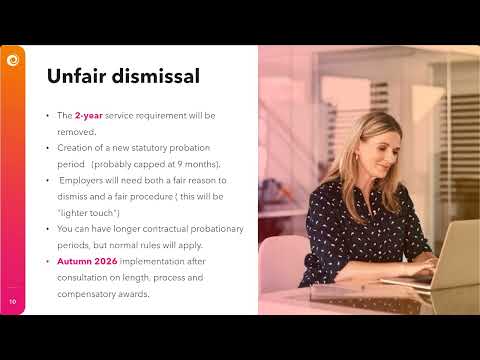
Another big shift relates to unfair dismissal claims. The qualifying period for bringing unfair dismissal claims is still generally two years; however, there’s been talk about improving protections against whistleblowing and bringing attention to other forms of discrimination at work. You shouldn’t have to fear losing your job just because you’re standing up for what’s right or speaking out against wrongdoing.
Now let’s chat about minimum wage increases. With recent legislation updates, there are set hikes in minimum wage which could mean an increase in paychecks for many of you out there! It’s always good news when hard work pays off better than before. You’ll actually feel recognized for putting in those hours!
So what does all this mean? Overall, these changes reflect a broader commitment towards treating workers fairly and ensuring their voices are heard more loudly than ever before. You know how sometimes workplaces can feel like they’re stuck in another era? That’s slowly changing with these legal shifts.
Packing this all up: keep an eye on how these laws develop and what they might mean for you personally if you’re entering or staying in the job market. Knowing your rights can really empower you!
Understanding the Latest Employment Law Changes in the UK: Key Insights and Impacts
Alright, so you’re keen on understanding the latest changes in employment law in the UK. That’s smart, because these changes can really affect how workplaces operate and your rights as an employee. Let’s break it down together.
First off, one of the big updates recently was around flexible working rights. Now, employees can make a request to work flexibly from day one of their employment, instead of waiting for 26 weeks. This means if you start a new job and want to work from home or adjust your hours, you have the right to ask. It’s about giving you more control over your work-life balance.
Another significant change is about minimum wage increases. The National Living Wage has been raised, which is great news for those earning at the lower end of the pay scale. Employers are now required to pay their staff a higher minimum amount. This helps ensure that everyone can cover basic living costs.
Now, here comes something that might seem a little complicated but is really important: changes around termination rights. If you’re dismissed from your job, there are stricter rules now about notifying you and outlining the reasons behind your termination. This gives you more clarity and protection if something doesn’t seem right.
With these changes in play, what does it mean for you? Well, basically it gives workers more rights and protections than before—making workplaces fairer places overall. You’ve got stronger chances of negotiating better terms for yourself!
If we go back a few years ago when I was navigating my own first job out of university, situations like unfair dismissal or feeling stuck with rigid working hours felt daunting. But knowing now that laws have evolved helps empower folks like us when dealing with employers.
If you’re ever unsure about your rights or how these changes might impact you personally, chatting with someone knowledgeable—like an HR professional or employment lawyer—can be super helpful! Understanding these laws means standing up not just for yourself but also helping create healthier workplaces.
Analyzing the Evolution of the UK’s Employment Structure: Trends and Impacts
When you think about the UK’s employment structure, it’s like looking at a really big puzzle, right? Over the years, this puzzle has changed shape quite a bit. From job types to worker rights, all these shifts have been influenced by various factors, whether it’s economic changes or new legislation.
Trends in Employment Structure
One major trend we’ve seen is the rise of flexible working arrangements. More people are working from home or on a part-time basis than ever before. This shift has been largely driven by technology and recent global events. For instance, during the pandemic, many companies quickly adapted to remote work. Some found it worked so well that they decided to keep these arrangements even after restrictions lifted!
- Gig Economy: The gig economy has also taken off. You know how you might order food via an app or book a ride? That’s part of it! Many people now work as freelancers or contractors instead of full-time employees.
- Diversity and Inclusion: Another important trend is the push for diversity in the workplace. Companies are becoming more aware of the need for diverse backgrounds in their teams.
- Employee Wellbeing: There’s also a growing emphasis on employee wellbeing. Firms are recognizing that happy workers are often more productive.
Recent Changes in Employment Law
The law around employment is always evolving. A significant change was the introduction of The Employment Rights Act 1996, which has been revisited several times to adapt to new norms, focusing on issues like unfair dismissal and redundancy rights.
An important development lately has been with agency workers’ rights. The AWR (Agency Workers Regulations), for example, was implemented to ensure that agency workers receive similar treatment as permanent staff after 12 weeks in a role. That means they should get equal pay and benefits! Pretty fair, right?
The Impact of These Changes
You can imagine how these changes have affected employers and employees alike. While flexibility can be great for workers, companies sometimes struggle with managing a dispersed workforce. Coordination can become trickier! And let’s not forget about the legal responsibilities that come with change; businesses have had to quickly adjust their policies and practices.
- Employee Contracts: Many businesses have updated their employee contracts to reflect new laws about flexible working and gig contracts.
- Culture Shift: It also involves fostering an inclusive culture where everyone feels valued—something that can take time!
- Mental Health Support: Employers are now looking at mental health support seriously; it’s not just about getting the job done anymore.
Anecdote Time: I remember chatting with a friend who works in recruitment. She was telling me how she had barely any candidates for traditional roles but loads applying for remote gigs! It shows how quickly things have changed based on what people want now.
If you zoom out and look at this whole situation holistically, it’s clear: we’re not just seeing changes in laws but also shifts in attitudes toward work itself. People today want more than just a paycheck; they want balance and purpose in their careers!
So yeah, understanding these trends helps make sense of where we’re going next as far as employment structure is concerned. And who knows what other shifts will come our way as we continue adapting?
You know, the world of employment law in the UK has been shifting a bit lately, hasn’t it? It’s like watching the tides come in and out. There have been some recent changes that really got people talking, especially about how they impact workers and businesses alike.
Take, for instance, changes regarding flexible working. A while back, you might remember when the pandemic kicked in—everyone was suddenly working from home or juggling all sorts of new arrangements. Well, the law has started catching up with that reality. Now, employees have the right to request flexible working from day one of their employment! That’s a pretty big deal for many folks who feel stuck in rigid 9-to-5 jobs. It’s a step towards making work-life balance more achievable.
But then there are the challenges too. Some employers might feel overwhelmed by these changes, especially small businesses trying to keep things afloat during tough times. They might worry about how to manage these requests and still meet their operational needs. It’s a bit like being caught between a rock and a hard place.
I remember chatting with a friend who runs a small café. She was excited about being able to offer flexible hours but terrified of how to accommodate everyone’s needs without losing staff or customers. That balancing act is real!
There are also updates around minimum wage rates and rights for zero-hour contract workers. For many people on such contracts, it can be stressful not knowing if they’ll get enough hours each week to pay their bills. The new legislation aims to protect them better which is great news—but implementing those protections can be complicated.
So basically, while these changes are meant to provide better rights and support for workers, it feels like there’s still so much work ahead for everyone involved—employees and employers alike—to find that sweet spot where everyone’s happy.
In essence, we’re seeing some positive steps towards fairer workplaces, but I think we need time to see how everything plays out in practice—and that could be quite an interesting journey!


