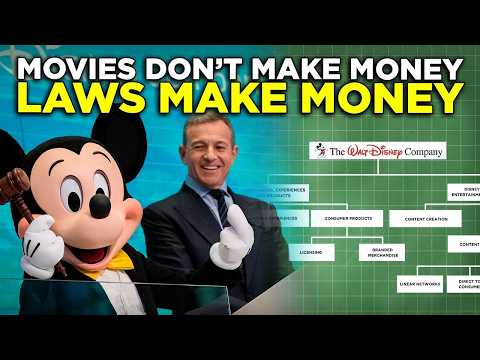
So, picture this: you’re sitting on your couch, binge-watching Disney+, and suddenly you realize—Disney owns, like, everything. Seriously! From Marvel to Star Wars, it’s like they have a monopoly on childhood nostalgia. But there’s a lot more going on behind the scenes than just streaming shows.
When Disney decides to scoop up another company, it’s not just about expanding its empire. Nope! It’s packed with legal implications that can have serious ripple effects in the UK.
The information on this site is provided for general informational and educational purposes only. It does not constitute legal advice and does not create a solicitor-client or barrister-client relationship. For specific legal guidance, you should consult with a qualified solicitor or barrister, or refer to official sources such as the UK Ministry of Justice. Use of this content is at your own risk. This website and its authors assume no responsibility or liability for any loss, damage, or consequences arising from the use or interpretation of the information provided, to the fullest extent permitted under UK law.
Ever wondered what happens when a giant like Disney makes a move? You got regulations, market competition concerns, and all those legal hoops they need to jump through. It’s pretty wild if you think about it!
Let’s unpack this whole acquisition thing and see how it all shakes out in the legal world over here. Trust me; it’s not just business—it touches on consumer rights and market fairness too!
Understanding Mergers and Acquisitions Law in the UK: A Comprehensive Guide
Mergers and acquisitions, often called M&A, can sound like a corporate buzzword. But, they’re pretty significant in the world of business law. So, what does M&A law actually mean in the UK? Let’s break it down.
First off, mergers happen when two companies come together to form one new entity. Think of it as a friendly marriage between two businesses looking to be stronger together. On the flip side, acquisitions, or takeovers, occur when one company buys another. This can be a bit trickier, especially if the target company isn’t so keen on selling.
You know how sometimes you see big companies making headlines for buying smaller ones? Well, with Disney’s acquisition strategies in the UK, there are lots of legal considerations to think about. When a massive corporation like Disney decides to acquire another company—say a streaming service—it has to navigate through a maze of laws and regulations.
There are basically three key areas that come into play:
- Competition Law: The UK has strict rules on competition to prevent monopolies from forming. If Disney tries to buy too many companies in the same market, it could raise some red flags. The Competition and Markets Authority (CMA) is like the watchdog here; they’ll check if an acquisition harms competition.
- Corporate Governance: Acquisitions also require transparency. Companies must keep their shareholders informed about plans and negotiations. For instance, if Disney were acquiring another media company in the UK, they’d have to ensure that all shareholders get a say or at least be kept in the loop.
- Regulatory Approvals: Depending on what industry is involved—like media or telecommunications—there might be additional layers of approval required from regulatory bodies like Ofcom.
Now let’s talk about some important legal implications. When a company gets acquired, employees might face uncertainty regarding their jobs—and that’s something the law tries to protect against. There’s something called TUPE (Transfer of Undertakings Protection of Employment) that ensures employees keep their rights intact when their employer changes due to an acquisition.
Consider this: imagine you work for a small animation studio that Disney acquires. Under TUPE regulations, your terms and conditions should remain similar after the takeover so you don’t feel thrown into complete chaos!
And then there are financial obligations too! The acquiring party often needs a thorough assessment of liabilities—things like debts or pending lawsuits—that could impact their decision-making process.
So yeah, mergers and acquisitions law isn’t just about signs on buildings changing; it’s deeply woven into how businesses operate and interact legally with one another and with society at large. For big players like Disney looking at potential acquisitions in the UK market, understanding these legal aspects is crucial for navigating through deals successfully while avoiding major pitfalls.
With all these moving parts involved in M&A transactions—whether you’re a board member or just someone curious about what’s happening—it pays off to understand this legal landscape!
The Impact of Acquisition on Lucasfilm: Analyzing Changes and Developments Post-Transaction
It’s quite a fascinating topic when you think about how acquisitions, like Disney’s purchase of Lucasfilm, can shake things up. So let’s break down the legal implications and changes that followed this massive transaction.
First off, Disney acquired Lucasfilm for about $4 billion back in 2012. This didn’t just mean new Star Wars films; it also brought a slew of legal considerations into play. You see, acquisitions often lead to changes in corporate governance and intellectual property rights.
When Disney took over Lucasfilm, they had to navigate through a sea of existing contracts. This includes everything from distribution agreements to licensing deals for merchandise. Imagine trying to untangle a web of legal obligations! And if you’ve ever had a complicated family tree, you get what I’m saying here.
- Intellectual Property (IP): With the acquisition came valuable IP assets—think characters, stories, and trademarks. Disney had to make sure all these rights were secure and properly transferred.
- Employment Contracts: Many people working at Lucasfilm faced uncertainty post-acquisition. Disney’s different corporate culture often means changes in employment terms.
- Regulatory Scrutiny: In the UK, any large acquisition needs to be assessed under competition laws. The goal is to prevent monopolies that could harm consumers. So regulatory hurdles were part of the deal.
- Cultural Integration: Aside from legal matters, integrating two distinct corporate cultures can be tricky. Employees might feel uncertain or even anxious about what’s next for them.
Now let’s talk about some specific impacts that happened after the acquisition. For instance, Disney quickly moved to expand the Star Wars franchise by producing new movies and series like “The Mandalorian.” This strategy not only generated buzz but also opened up fresh revenue streams.
However, there were also bumps along the way. Fan reactions can be polarizing! Some fans loved the new directions taken by Disney while others felt nostalgic for the original films’ spirit. Legally speaking though, fan criticism can influence marketing strategies—so it’s worth paying attention to!
Also important is that mergers and acquisitions can lead to lawsuits too! Following this deal, there were disputes over royalties or contractual obligations regarding past works that surfaced as newer projects rolled out.
Oh! And don’t forget how this acquisition shifted focus in entertainment law within the UK context specifically regarding what content was created and how it was distributed across various platforms.
In sum, after Disney acquired Lucasfilm, there were significant changes both legally and culturally—and these have ongoing impacts today as new content rolls out and corporate structures evolve. The whole thing is a reminder of how interconnected business decisions are with legal frameworks in place!
Understanding Merger Control Law in the UK: Key Principles and Implications
Understanding merger control law in the UK can feel a bit like navigating a maze, but I’ll break it down for you. Basically, when two companies want to merge or one wants to take over another, that’s where merger control laws come into play. They’re designed to keep competition alive and kicking in the market.
In the UK, the main authority that looks after this is the **Competition and Markets Authority (CMA)**. So, if Disney were trying to acquire another company—think of a smaller media firm—they would need to run this through the CMA first.
Why? Well, the CMA wants to ensure that these mergers don’t create monopolies or dominate a certain market. Imagine if Disney bought every popular animation studio out there! That would give them too much power over what we see on our screens.
When assessing a potential merger, the CMA looks at several factors:
- Market Share: They check how big each company is in their respective markets.
- Consumer Choice: The aim is to ensure consumers still have options. Less competition could lead to higher prices or lower quality.
- Innovation: The authority also thinks about how mergers might affect innovation within industries.
Now, let’s talk about how this applies in real life. Consider Disney’s acquisition strategies – they’ve gobbled up Pixar, Marvel, and 21st Century Fox. When they were considering these moves in the UK market, they had to submit their plans for review.
Take Marvel, for instance. Disney buying Marvel meant they merged some powerhouse franchises under one roof. The CMA had to ensure this didn’t squash smaller studios or reduce what we got as viewers.
During their review process, if there are concerns that the merger could harm competition, the CMA might decide on one of three things:
- Clear the Merger: If everything looks good and no issues arise.
- Request Modifications: They might suggest changes – like selling parts of a business.
- Block it Altogether: If it seems too risky for competition and consumer welfare.
Here’s an emotional nugget: imagine being an indie filmmaker relying on those smaller studios for distribution—if Disney takes them over without any checks; your chances of making it big could tumble down!
The implications are vast here since large mergers could shape entire industries. It’s not just about corporate strategy; it can really change what audiences see and experience.
In essence, understanding merger control law is crucial. It protects competition while also allowing companies like Disney to expand responsibly within the UK market. This balance ensures creativity thrives while keeping choices fresh for you as a consumer—something that everyone should care about!
When you think about Disney, you probably picture enchanting movies, beloved characters, and magical theme parks, right? But behind that glittery facade lies a complex web of legal implications, especially when it comes to their acquisition strategies in the UK. Let’s unpack that a bit.
You see, Disney has been on quite the buying spree. They don’t just stop at animated features; they expand their empire by acquiring companies like Pixar, Marvel, and even Lucasfilm. Each of these moves has legal ramifications that often fly under the radar for most folks. There’s competition law to consider—basically, this is about preventing monopolies and ensuring a fair marketplace for consumers.
Take the time when Disney bought Fox in 2019. Many people were excited for franchises like X-Men to be part of the Marvel universe. But regulators were scratching their heads about whether this merger would give Disney too much power over media content in the UK. They debated if it’d restrict competition or create a monopoly on certain kinds of entertainment. It can kind of feel like watching your friend hog all the toys at a party—you want everyone to have a fair chance to play!
And then there’s intellectual property (IP). Disney is fiercely protective over its characters and stories. With each acquisition, they aren’t just gaining assets; they’re also taking on the existing IP rights from those companies. This means sorting out who owns what and how those rights are enforced in different jurisdictions—including all of those often-tedious copyright laws that can make your head spin.
Remember when Disney launched its streaming service, Disney+? It was a huge leap into direct-to-consumer engagement! But launching such platforms comes with legal red tape regarding subscription services and content licensing in various regions. They have to ensure compliance with local laws while also respecting prior contracts made by acquired companies.
So yeah, while it may seem all fun and games from an entertainment point of view, there’s so much more going on behind closed doors—think negotiations swirling with regulatory bodies and navigating through intricate legal frameworks. It’s not just about creating magic; it’s about adhering to rules that keep the magic fair for everyone involved.
Just think about how every time you watch your favorite Disney flick or catch up on an episode from one of their brands—they’re not just entertaining us but also playing within some pretty serious legal boundaries too! It’s fascinating how much effort goes into keeping everything above board while still trying to stay ahead in such a competitive industry, isn’t it?