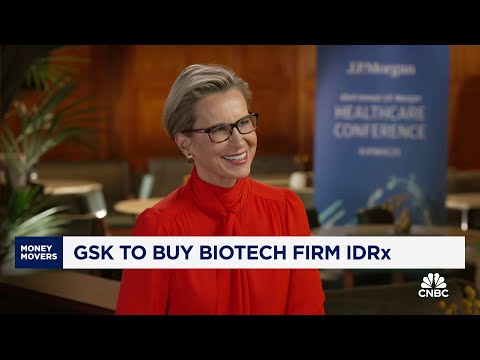
You know that feeling when your favourite band gets back together after years apart? Exciting, right? Well, in the business world, there’s a bit of that buzz happening with GSK’s recent acquisition talks.
Imagine big pharma giants making moves like chess pieces on a board: it’s strategic, thrilling, and sometimes a bit confusing. Seriously, it can feel like watching an intense game unfold, with everyone wanting to know who’s winning and what that means for the rest of us.
The information on this site is provided for general informational and educational purposes only. It does not constitute legal advice and does not create a solicitor-client or barrister-client relationship. For specific legal guidance, you should consult with a qualified solicitor or barrister, or refer to official sources such as the UK Ministry of Justice. Use of this content is at your own risk. This website and its authors assume no responsibility or liability for any loss, damage, or consequences arising from the use or interpretation of the information provided, to the fullest extent permitted under UK law.
So, here we are. What does this GSK acquisition mean for the UK market? Buckle up! We’re diving into some of those juicy legal implications. It’s not just about numbers; it’s about how this shakes up the landscape we all navigate daily. You ready? Let’s chat about it!
Analyzing the Legal Implications of GSK’s 2022 Acquisition on the UK Market
The 2022 acquisition of GSK’s consumer healthcare business by Unilever stirred quite a bit of chatter in the legal circles. When a major player like GSK makes such a move, it brings a flurry of legal implications that ripple through the UK market. Let’s break down some key points.
Regulatory Scrutiny
First off, any big acquisition like this doesn’t just sail through. It gets examined under the Competition and Markets Authority (CMA). They look at whether this deal could reduce competition in the market. If they find it could create a monopoly, or harm consumers—watch out! They might block the deal or impose conditions.
Financial Considerations
Then there are financial regulations to consider. GSK had to ensure they complied with the UK Listing Authority, revealing all relevant information about their finances to keep everything above board. This transparency is crucial for investors and stakeholders alike.
Employee Rights
You can’t forget about staff either! There are laws that protect employee rights during an acquisition. Employees often have concerns about job security, changes in contracts, and overall workplace conditions. GSK had to communicate clearly with employees, ensuring their rights were maintained throughout the process.
Intellectual Property Issues
Also on the table were intellectual property rights. If GSK holds patents or proprietary technologies, those need proper handling during acquisition talks. The new entity can’t just waltz in and use them without considering existing agreements.
Cultural Integration Challenges
Merging two companies isn’t just about numbers on a balance sheet; it’s also about culture. There’s often tension between different company cultures which can affect employee morale and productivity if not addressed properly.
Public Perception
The public image matters too! People have feelings about big corporate moves, especially when it comes to consumer health products. GSK had to manage how consumers viewed this acquisition carefully—after all, negative public sentiment can impact sales and brand loyalty.
Conclusion
A lot happens behind-the-scenes when you see headlines announcing large acquisitions like this one by GSK. The legal implications touch on competition laws, financial disclosures, employee rights, intellectual property issues, cultural integration challenges, and public perception—all of which play pivotal roles in shaping how smoothly an acquisition goes down in the UK market.
You get a sense that with every acquisition comes responsibility—not just legally but socially too! It’s not always straightforward navigating these waters but paying attention to these details helps ensure everyone involved plays fair.
Legal Implications of GSK’s 2021 Acquisition on the UK Market: Insights and Analysis
Alright, let’s unpack the legal implications of GSK’s 2021 acquisition and how it shakes things up in the UK market. You might remember that GlaxoSmithKline (GSK) decided to buy up certain assets, and while that might seem just like a business move on the surface, it brings along a whole heap of legal considerations.
First off, mergers and acquisitions in the UK must comply with competition law. The Competition and Markets Authority (CMA) usually takes a good, hard look at these kinds of deals to make sure they don’t unfairly limit competition. If two big fish get together, it can sometimes mean less choice for consumers or even higher prices. So when GSK made its move, folks were wondering how the CMA would respond.
There was quite a buzz around this acquisition because it involved both **pharmaceuticals and consumer health** products. The deal needed to be assessed not just for potential market control but also for innovations in healthcare. You see, when companies like GSK merge or acquire new assets, there can be benefits—for instance, they might speed up product development or improve access to new medicines.
Here’s where it gets interesting:
It wasn’t just about getting approval from the CMA. There are also public health considerations and compliance with medical regulations in play.
Then there’s the matter of shareholder interests. Acquisitions can lead to mixed feelings among shareholders. Some may see potential growth while others could worry about losing focus on core operations or incurring debt from financing the deal. For GSK’s shareholders, transparency was key.
Now, looking at employee impacts is also critical here. Mergers often lead to restructuring which means some jobs might be at risk while others could be created. It’s tough for those affected; one day you’re part of a team doing your thing at one company and then—bam!—everything changes.
One step further down this rabbit hole is intellectual property rights. In the pharmaceutical sector especially, protecting inventions is super important because that’s where big money lies—as well as potential cures! So GSK had to ensure they secured all relevant patents and trademarks related to their acquired products.
Lastly, international laws come into play too if GSK planned any operations beyond UK shores post-acquisition. This gets dicey with differences in regulations across borders; imagine trying to juggle varying compliance standards!
So basically? The legal landscape after GSK’s acquisition is layered with **competition laws**, **regulatory approvals**, **shareholder sentiments**, **employment impacts**, and **intellectual property issues** all swirling around together like a giant game of chess! It’s fascinating but also complex—definitely something you’d want to keep your eye on if you’re interested in business law or public health implications within this context!
You see? Legal matters really do affect us on so many levels—not just in boardrooms but out here in everyday life too!
GSK Acquisition: Legal Implications and Considerations for the UK Market
The recent acquisition plans by GSK, or GlaxoSmithKline, have raised many eyebrows in the UK market. When a big player like GSK makes moves to acquire another company, it’s not just about money; there’s a ton of legal implications that everyone has to consider.
First off, let’s talk about competition law. This is all about ensuring fair competition in the market. If GSK’s acquisition could reduce competition – like if they were taking over a rival – this could trigger investigations by the Competition and Markets Authority (CMA). They want to ensure consumers still have choices. Imagine if you only had one brand of pain relief available at your local pharmacy. Not great, right?
Another key factor is due diligence. This fancy term basically means doing your homework before sealing the deal. GSK needs to investigate everything about the company they’re acquiring – its finances, legal issues, and any existing contracts. One slip-up here can lead to major headaches down the line; think hidden debts or pending lawsuits that could bite them after the ink has dried.
Then there’s regulatory approval. Depending on what sector this acquisition falls under—like pharmaceuticals or consumer healthcare—GSK needs approval from different regulatory bodies. This can get pretty complex! For example, if new drugs are involved, they’ll need to deal with Medicines and Healthcare products Regulatory Agency (MHRA), ensuring safety for consumers.
You also have to consider employment law. What happens to employees from both companies? Are there redundancies? GSK must follow all relevant laws regarding staff changes and ensure proper consultation processes are followed. Failing to do so might lead to legal battles with unhappy employees.
Don’t forget about intellectual property rights. If part of the acquisition includes new patents or proprietary technology, GSK has to navigate this minefield carefully. They don’t want any infringement issues popping up later on because that could cost them—big time!
And lastly, it’s worth mentioning global implications too. If GSK operates across borders, they’ll have to consider how different countries view mergers and acquisitions. International laws can be tricky!
In summary, while a giant like GSK might seem invincible in making acquisitions happen smoothly, they need to tread carefully when it comes down to these legal implications:
- Competition law: Avoiding reducing market competition.
- Due diligence: Thorough investigation before proceeding.
- Regulatory approval: Navigating through necessary legal permissions.
- Employment law: Handling employee changes legally and ethically.
- Intellectual property rights: Protecting innovations and avoiding infringements.
- Global considerations: Adhering to international laws surrounding mergers.
It’s all serious stuff! Just one misstep can lead to hefty fines or even scrapping an entire deal. So yeah, while these big acquisitions might look like smooth sailing on the surface, underneath there’s a whirlwind of laws at play making sure everything stays fair and square in the UK market.
Alright, let’s talk about this GSK acquisition. You know, when big companies merge or make acquisitions, it can really shake things up in the market. So when GlaxoSmithKline (GSK) decided to acquire another company, the implications were all over the place—like a ripple effect, if you will.
First off, there’s this whole competition angle. The UK has strict competition laws designed to keep the market fair and avoid monopolies. If GSK’s acquisition were to lessen competition in any way, you could bet that regulators would step in. They’re not just sitting back and letting things happen!
Now think about it—you might remember a time when a local pharmacy had all sorts of options for your prescriptions. If GSK gobbles up its competitors, you could be left with fewer choices. And that can hit people hard, especially those who need affordable medication.
Then there’s job security. Mergers often lead to consolidation and downsizing. Imagine working at a firm that’s being acquired; it’s nerve-wracking! Employees might be thinking about their future—will their job still be around next year? Or will they be looking for new work?
And don’t forget public access to medicines! This is a big one because GSK deals with essential healthcare products. If an acquisition leads to higher prices or limited access to vital medications due to profit-focused decision-making… that could have serious implications on public health.
But there’s also an upside—there might be increased investment in research and development or improvements in product offerings as resources get pooled together. You know how sometimes two heads are better than one?
It’s just that balance between risks and rewards is crucial here. As these changes unfold, we’ll need to keep an eye on how they impact not just the market but everyday people like you and me who rely on effective healthcare solutions.
All in all, acquisitions like this aren’t just corporate chess moves; they have real-life consequences that touch us all in various ways. Seeing how it plays out will certainly be interesting!