
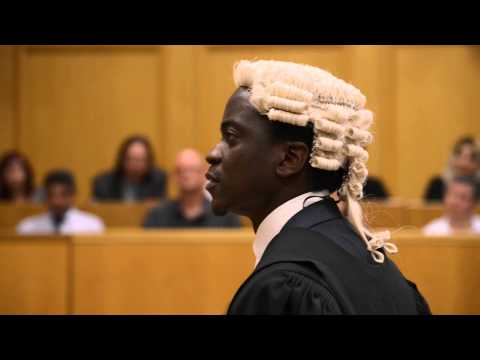
You know, the other day I was chatting with my mate Joe about courtroom dramas on TV. He goes on about how these lawyers are always shouting objections and looking super serious. But honestly, it got me thinking. What’s the real deal behind those fancy suits and dramatic moments?
In the UK, defence counsel play a huge role in the legal process. They’re like the unsung heroes of the courtroom, fighting for their clients’ rights when things get tough. It’s not just about making big speeches; it’s about navigating a maze of laws and regulations.
The information on this site is provided for general informational and educational purposes only. It does not constitute legal advice and does not create a solicitor-client or barrister-client relationship. For specific legal guidance, you should consult with a qualified solicitor or barrister, or refer to official sources such as the UK Ministry of Justice. Use of this content is at your own risk. This website and its authors assume no responsibility or liability for any loss, damage, or consequences arising from the use or interpretation of the information provided, to the fullest extent permitted under UK law.
Imagine being in a spot where your future hangs in the balance. It’s stressful, right? Well, that’s where defence lawyers step in. They don’t just show up to look good; they have some serious responsibilities.
So, let’s dig into what these legal warriors actually do and why their role is more important than you might think!
Understanding Courtroom Layouts in the UK: A Comprehensive Guide
Understanding courtroom layouts in the UK is pretty essential, especially when we think about the roles and responsibilities of defence counsel. You might not know this, but every courtroom has a distinct layout that affects how legal proceedings unfold. Let’s break it down.
The Layout
Imagine walking into a courtroom. Right away, you see the judge’s bench at one end. This is where the judge sits, overseeing everything. They have a big job! You can’t miss it—it’s elevated. Why? Well, it signifies their authority in the room.
Then there’s the jury box, often on one side. Jurors are randomly selected citizens who listen to evidence and decide whether someone is guilty or not. Their experience is crucial since they serve as the voices of everyday people in justice matters.
Where Defence Counsel Fits In
Now let’s talk about where defence counsel usually sits—typically at a table close to the front of the courtroom but facing both the judge and jury. This position allows them to engage effectively with those who hold power over their client’s fate. They need to be able to communicate well, so sitting near them matters a lot.
Responsibilities of Defence Counsel
Defence attorneys have several important jobs in court:
In action, imagine a defence attorney standing up during cross-examination—you’d see them questioning witnesses’ credibility or pointing out inconsistencies in their testimonies. This is crucial for building a solid case for their client.
The Role of Other Participants
But wait—there’s more going on! You’ve got prosecutors who sit across from defence counsel at another table; they argue against your case. Plus, there are court clerks taking notes and managing documents. Even ushers help keep order by directing everyone when entering or exiting.
And don’t forget about spectators! Family members or friends of either party often sit in seats behind lawyers or jurors; they want to support loved ones during these intense moments.
The Atmosphere
Sometimes courtrooms can feel quite intimidating—lots of rules and formalities! Everyone speaks respectfully; you’ll hear “Your Honour” directed towards judges all the time! This setup emphasizes professionalism because serious decisions happen here that impact lives deeply.
Anecdotal Note
I once accompanied a friend into a small claims court just out of curiosity (which felt kind of similar). It was fascinating seeing all these roles come together—the tension was palpable while everyone awaited decisions being made amid whispers from spectators!
Understanding these layouts helps demystify what goes on during trials in UK courts—it’s more than just what meets the eye; crucial responsibilities play out behind every seat arrangement too! Being aware gives you insight into how justice unfolds here—a blend of structure and human spirit driving each case forward even amidst uncertainty.
Understanding the Role of Defence Counsel in Court: Key Responsibilities and Strategies
When you think about a courtroom drama, the defence counsel is usually the one standing up for the accused. Their role is super important in ensuring that everyone gets a fair trial. But what exactly do they do? Let’s break it down.
The first thing to know is that defence counsel represents the defendant, the person accused of a crime. They work to protect their client’s rights throughout the legal process. This means they’re there from the very beginning, maybe even before charges are filed, all the way through to any appeals if needed.
So, what are some of their key responsibilities? Here are a few:
- Legal Advice: Defence attorneys provide advice on legal rights and options available to their clients. They help navigate confusing legal jargon and make sense of what’s going on.
- Investigation: They gather evidence that supports their client’s case. This can mean talking to witnesses, looking at police reports, or even visiting crime scenes. It’s about finding anything that could help prove their innocence.
- Court Representation: During trials, defence counsel argue on behalf of their clients, presenting evidence and cross-examining witnesses to challenge the prosecution’s case.
- Plea Bargaining: Sometimes it makes more sense for defendants to take a plea deal instead of going to trial. Defence lawyers negotiate these deals with prosecutors to potentially get reduced charges or lighter sentences.
- Emotional Support: Believe it or not, they also provide emotional support! Facing court can be incredibly stressful for anyone. Just having someone in your corner can mean a lot.
You might be wondering how they develop their strategies in court. Well, it’s not just about being good at arguing; there’s quite a bit of planning involved. For instance, they need to understand both sides of a case thoroughly—like knowing what evidence might come from the prosecution and preparing accordingly.
A common strategy is creating reasonable doubt. If you’ve ever watched a courtroom show, you know that creating doubt about whether someone committed a crime can be pivotal in winning a case. Defence counsel aim to highlight inconsistencies or gaps in evidence provided by the prosecution.
An example might be this: let’s say someone is accused of theft based on eyewitness testimony. If defence counsel finds out that multiple other people were at the scene who didn’t see anything suspicious, well—this could open up doubts about the reliability of those eyewitnesses!
This approach emphasizes another essential part of defence counsel’s work: understanding **the law** deeply and staying up-to-date with any changes in legislation or legal precedents that could affect their strategy like new rulings on how certain laws should be interpreted.
You might also hear about something called duty solicitors. These are lawyers available for defendants who can’t afford one when they’re first arrested—ensuring everyone has access to legal representation right from the start!
The bottom line is: defence counsels play an absolutely critical role in our justice system by ensuring fairness and justice are upheld every single day in courts across England and Wales. Whether it’s by advising clients on next steps or passionately defending them during trials—you name it—they’re there advocating for those accused! It really emphasizes how crucial it is for everyone involved—defendant included—to have someone knowledgeable fighting for them.
Understanding the Role of a Judge: Responsibilities, Functions, and Impact on the Legal System
Sure! Let’s break down the role of a judge in the UK legal system, especially concerning their responsibilities, functions, and how they influence the legal landscape.
The Judge’s Role in Court
A judge is like the referee in a game, you know? They are there to ensure fair play. In court, judges handle cases ranging from minor disputes to serious criminal charges. Their job is crucial because they interpret the law and make decisions that affect people’s lives.
Responsibilities of a Judge
Judges have several key responsibilities:
The Functions of a Judge
Functions might seem similar to responsibilities but here’s where they really shine:
The Impact on the Legal System
Judges impact society in profound ways:
First off, their rulings can set precedents. When judges make significant decisions in court cases, those decisions can influence future laws and rulings—kind of like setting trends!
Also, judges help uphold rights and freedoms. For instance, if someone feels their rights have been violated by legislation or actions taken by authorities, it’s often judges who will hear these challenges.
Remember that emotional aspect too; just think about people standing nervously before a judge as they await answers that could change their lives forever—like someone hoping for leniency after making mistakes.
In summary, we can see judges play an essential role—they’re not just sitting behind that big desk looking important! Understanding what they do gives us insight into our legal system’s workings and why fairness matters so much.
So next time you hear about a court case or see one on TV, remember all those behind-the-scenes roles that judges perform every day!
Alright, let’s chat about the roles and responsibilities of defense counsel in the UK legal system. You know, when you’re faced with a legal issue, it can feel overwhelming. Imagine you or someone you care about is accused of something serious. That’s where defense counsel comes in, like a lifeline.
First off, the most crucial job of a defense lawyer is to defend their client. Sounds simple enough, right? But seriously, it’s much deeper than just arguing in court. They need to dig into every detail of the case, you know? Like finding gaps in the prosecution’s argument or uncovering evidence that might help their client.
They also have to ensure that their client understands the whole process. Legal jargon can sound like another language sometimes! It’s easy to get lost if you’re not familiar with it all. So, part of their role is being that bridge—making sure clients aren’t left scratching their heads in confusion.
And let’s not forget about confidentiality! Whatever your lawyer learns about your case stays between you two—like a secret club! This trust is massive because it lets clients speak freely without fear.
But here’s where it can get tricky. Defense counsels sometimes face ethical dilemmas. Like, what if they know their client did something wrong? The law says they still have to defend them vigorously. It can be tough because they’re balancing duty to the client with honesty and integrity.
There was this case I read about—a young guy accused of robbery who insisted he was innocent. His lawyer believed him and worked hard to find evidence supporting his claim. After months of digging deep into police reports and witness statements, they discovered major inconsistencies that helped clear him. Can you imagine how relieved that kid must’ve felt? It shows how crucial a good defense counsel is—they don’t just fight; they believe in those they represent.
In essence, defense lawyers are vital players in ensuring justice isn’t just a buzzword but a practice everyone gets a shot at—even when things look bleak. They’re there every step of the way—to advise, advocate for rights, and remind clients that everyone deserves representation, no matter what they’ve been accused of.
So yeah, it’s not just about winning cases; it’s more about upholding fairness and being there for people during some of their toughest times. That kind of responsibility? It’s huge!


