
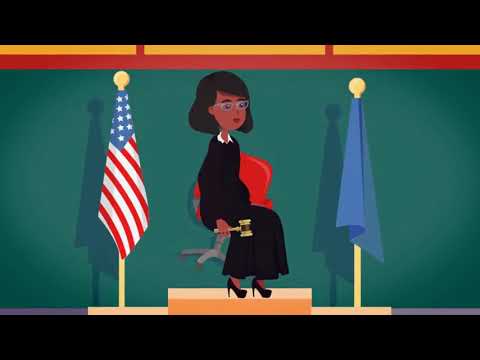
You know that classic scene in movies where a lawyer stands up and shouts, “Objection!”? Well, it’s a bit more complicated in real life—trust me!
When you think about lawyers and prosecutors in the UK, it’s easy to picture them wearing sharp suits and arguing passionately in a courtroom. But what they actually do is way deeper than just drama on screen.
The information on this site is provided for general informational and educational purposes only. It does not constitute legal advice and does not create a solicitor-client or barrister-client relationship. For specific legal guidance, you should consult with a qualified solicitor or barrister, or refer to official sources such as the UK Ministry of Justice. Use of this content is at your own risk. This website and its authors assume no responsibility or liability for any loss, damage, or consequences arising from the use or interpretation of the information provided, to the fullest extent permitted under UK law.
Basically, lawyers wear many hats. Some help you navigate family disputes, while others might dive into criminal cases or business deals. And then there’s the prosecutor, who’s all about representing the state and keeping things fair.
It’s fascinating stuff, really. They’re not just sitting around waiting for court dates; there’s tons going on behind the scenes. Want to learn what really makes their wheels turn? Let’s break it down!
Understanding the Role of a Prosecutor in the UK Criminal Justice System
Sure! Let’s have a chat about what prosecutors do in the UK criminal justice system. It’s a pretty important job, and understanding it can really help you get a grip on how justice is served in our country.
First off, a prosecutor plays a central role in the criminal justice system. Basically, their job is to represent the state or the public in criminal cases. This means they’re responsible for bringing charges against individuals accused of committing crimes. It’s not just about throwing someone in jail; it’s about ensuring that justice is fairly administered.
Now, let’s dig into some of those responsibilities:
So yeah, it can get pretty intense during trials! A memorable story comes from a high-profile robbery case where prosecutors worked tirelessly through mountains of evidence—like CCTV footage and witness statements—to secure a conviction after weeks of testimonies.
Then there’s also this important aspect called witness support. Prosecutors often work closely with victims and witnesses throughout proceedings. They keep everyone informed about what’s happening and ensure they’re ready for their day in court.
And let’s not forget about ethics! Prosecutors have an ethical duty not just to win cases but also to seek justice fairly—not just focusing on conviction rates but ensuring that innocent people aren’t wrongfully prosecuted.
Lastly, it’s worth noting that while prosecutors are important players in the criminal justice system, they work alongside police officers and defense attorneys. Each role has its own importance—you know?
So all this makes clear that prosecuting isn’t just about being tough or winning; it’s much more nuanced than that. It’s really about balancing holding offenders accountable while upholding fairness and justice—an incredibly crucial balance for any society!
Understanding the Distinction Between a Lawyer and an Attorney in the UK: A Comprehensive Guide
Understanding the difference between a lawyer and an attorney in the UK can be a bit confusing. First off, let’s clarify what each term means. In everyday conversation, people often use “lawyer” and “attorney” interchangeably. However, there are some distinct roles and responsibilities that set them apart.
Lawyer is a more general term that refers to anyone who has been educated in law and has received legal qualifications. Basically, if you’ve studied law at university and completed the necessary training, you can call yourself a lawyer. It’s kind of like saying someone is a doctor just because they went to medical school. But not every lawyer practices law directly.
On the flip side, an attorney—specifically in the UK context—is usually someone who has completed further training and is qualified to act on behalf of clients in legal matters. This often involves representing clients in court or during negotiations. So, not all lawyers are attorneys, but all attorneys are lawyers.
One important point to consider is the specific roles lawyers might take on. For example, some lawyers choose to work as legal advisors or consultants rather than represent clients in court. They might give advice on contracts or help businesses with legal compliance without stepping into a courtroom.
Now let’s chat about some key responsibilities of lawyers and attorneys:
- Research: Both lawyers and attorneys spend time researching laws and regulations relevant to their cases.
- Client Consultation: Lawyers meet with clients to discuss their legal needs, while attorneys will focus on direct representation.
- Court Representation: Attorneys represent clients in court proceedings; not all lawyers will do this.
- Negotiation: Attorneys often negotiate settlements on behalf of their clients.
You might be wondering about how this distinction plays out in actual cases. Well, let’s say you’ve had a car accident and need legal help. You’d likely consult with a lawyer first; they’d assess your situation and give advice on your next steps. If it looks like you’ll need to go to court or make a claim against another party—then you’d work with an attorney who can represent you throughout that process.
There’s also something interesting about specializations. Some lawyers choose to focus on certain areas like family law or criminal law after gaining their qualifications. While any lawyer can provide basic advice, it’s often those specialized attorneys who have deeper insights into particular fields.
At the end of the day, both lawyers and attorneys share one fundamental goal: to serve their clients effectively within the boundaries of the law—though their paths and duties may differ somewhat along the way.
In summary, knowing whether you’re dealing with a lawyer or an attorney helps set your expectations right from the start! Whether you’re getting general advice from a lawyer or specific representation from an attorney makes quite a difference for your case strategy!
Understanding the Key Differences Between Prosecutors and Defense Attorneys
Sure! Let’s break down the differences between prosecutors and defense attorneys in the UK. Both play crucial roles in the legal system, but their jobs and responsibilities are pretty different.
Prosecutors are like the government’s lawyers. Their main job is to present evidence against someone accused of a crime. They work for the Crown Prosecution Service (CPS), and they focus on proving that the accused is guilty. Think of them as advocates for public safety and justice.
Defense attorneys, on the other hand, represent individuals accused of crimes. Their role is to protect their clients’ rights, ensure they receive a fair trial, and try to achieve the best possible outcome for them. They might argue for acquittals, reduced sentences, or even plea bargains.
Let’s look at some key differences:
- Objective: Prosecutors aim to enforce the law by seeking convictions, while defense attorneys focus on defending their clients against these charges.
- Employment: Prosecutors usually work for government agencies like the CPS; defense attorneys can be private practitioners or public defenders.
- Evidentiary Standards: Prosecutors must prove guilt “beyond a reasonable doubt,” which is a high standard—defense lawyers want to create reasonable doubt about their clients’ guilt.
- Ethical Obligations: Prosecutors have duties not just to win cases but also to ensure justice is served; defense attorneys have a duty to advocate fiercely for their client’s interests.
Here’s a little story that hits home on this topic: Imagine Sarah, who got accused of shoplifting something she didn’t actually take. The prosecutor believes she did it based on store video footage. But her defense attorney knows Sarah has an alibi—she was at her friend’s party during that time. So what does the defender do? They bring forth evidence supporting Sarah’s innocence and challenge how reliable that video really is.
Another point worth mentioning is that while both sides want justice, they often see things from very different perspectives—and sometimes it gets heated! But at the end of the day, both roles are essential in making sure our legal system works fairly.
In courtrooms across the UK, these two types of lawyers constantly engage in what you might think of as a balancing act—one trying to secure justice by prosecuting wrongdoers while the other fights tooth and nail to defend those who may be wrongfully accused or deserving of mercy.
So yeah, understanding these roles helps demystify what happens during legal proceedings—and why it matters so much!
So, let’s chat about the roles and responsibilities of lawyers and prosecutors in the UK. It’s pretty interesting stuff, really. You might think they’re just all about winning cases, but there’s a lot more going on beneath the surface.
First off, lawyers have this huge responsibility to represent their clients’ interests. Whether you’re talking about a criminal defence lawyer or someone handling a civil case, their job is to ensure that their client gets fair treatment under the law. It’s like when your mate has your back during a tough time; you want someone who’ll fight for you. But here’s the kicker: they also have an ethical duty. They can’t just lie or twist facts to make their case look better. Imagine if they could! The whole system would be in chaos.
On the other hand, prosecuting lawyers—who we often just call prosecutors—are on a different mission altogether. Their role is to represent the Crown and ensure justice is served. They’re not simply out there looking to punish wrongdoers, though; they’ve got to consider public interest and make sure that any prosecution is fair and necessary. It’s kind of like being both a referee and a player in a game; they need to keep things balanced while still pushing for justice.
What really hits home for me is how these professionals often deal with life-changing situations for people involved in legal cases. I remember hearing about a young guy who’d been wrongly accused of something terrible. His lawyer spent countless hours piecing together evidence and finding witnesses who would clear his name. When it finally worked out in his favour, you could see the relief wash over him—it was like he got his life back! That’s when you truly see how crucial these roles are.
Then there’s this unsung aspect regarding community involvement too. Lawyers sometimes volunteer their time at local clinics or pro bono cases because they believe everyone deserves quality representation, not just those who can afford it. That sense of duty makes them relatable in so many ways.
In short, both lawyers and prosecutors play vital roles in maintaining justice within society—they stand up for rights while navigating an incredibly complex system that can feel overwhelming at times. Their work isn’t merely about winning or losing; it goes far deeper than that, touching lives every single day with real impact. You know? It just makes you appreciate them a bit more when you think about everything they handle on behalf of others!


