
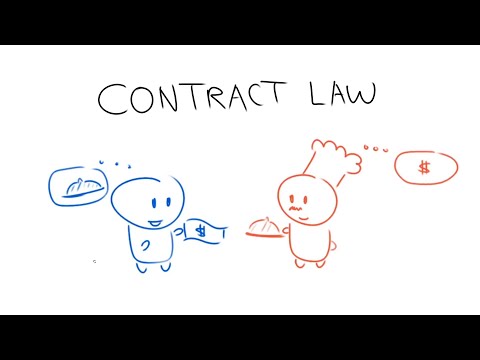
You know what’s kind of funny? I once watched a movie where a guy accidentally slipped on a banana peel and ended up in court. It got me thinking about all those wild stories behind the laws we have today.
Contracts might not seem that exciting at first glance, but trust me, they’ve got drama! Seriously, some court cases over contracts could rival any soap opera.
The information on this site is provided for general informational and educational purposes only. It does not constitute legal advice and does not create a solicitor-client or barrister-client relationship. For specific legal guidance, you should consult with a qualified solicitor or barrister, or refer to official sources such as the UK Ministry of Justice. Use of this content is at your own risk. This website and its authors assume no responsibility or liability for any loss, damage, or consequences arising from the use or interpretation of the information provided, to the fullest extent permitted under UK law.
In the UK, certain landmark cases have shaped our legal landscape in ways that can make your head spin. It’s like watching history unfold one agreement at a time.
From bizarre disputes to crucial rulings, these stories help us understand our rights and obligations. So, let’s take a little journey through some of those pivotal moments that changed contract law for good!
Exploring the Landmark Breach of Contract Case in the UK: Key Insights and Implications
You know, contract law can be a real maze sometimes. It’s like one minute you’re cruising along, and then bam! You hit a wall with a breach of contract issue. So, let’s chat about one of the landmark cases in the UK that really made waves in this area — *Hadley v. Baxendale* from 1854.
This case is super important because it set a standard for what happens when someone breaches a contract. In simple words, it helps determine how much compensation you can claim if things go sideways.
In *Hadley v. Baxendale*, the situation was pretty straightforward but also quite disruptive for the parties involved. A mill owner named Hadley relied on Baxendale, a carrier, to deliver a broken mill shaft to the manufacturer for repairs. The problem? Baxendale delayed the delivery, which meant Hadley’s mill was out of operation longer than expected. So, Hadley wanted to claim damages for lost profits during that time.
But here’s where it gets interesting! The court decided that Baxendale wasn’t liable for all those lost profits since they couldn’t have been anticipated at the time of the contract. They basically said that you can only claim for losses that were foreseeable when both parties entered into the agreement.
So what does this mean for you? Well, when entering any sort of contract, think about how those losses might pan out if something goes wrong. If you’re not specific about potential consequences or if they weren’t clear at signing time, you might struggle to get compensated later on.
Now let’s break down why *Hadley v. Baxendale* continues to shape UK legal practice:
- Foreseeability Rule: This case established that not all losses are automatically recoverable; only those that could be reasonably foreseen.
- Knowledge of Impacts: It highlights how important it is to communicate impacts clearly when entering into contracts.
- Commercial Context: It reminds businesses to consider their specific circumstances when drafting contracts.
To put it simply, this case teaches us to be clear and specific in our agreements because if stuff goes south later on, you want your ducks in a row!
And just recently — well as recent as 2017 — another case echoed these principles: *Coulthard v Bicknell*. Here too, foreseeability came into play regarding loss claims after some contractual issues arose in construction work delays.
So basically, understanding these landmark cases can help you navigate through your own contracts better and avoid unnecessary hiccups down the road! Remember though: being proactive and careful with your contract terms could save you loads of headaches later on!
Understanding Landmark Cases in the UK: Their Impact on Law and Society
Understanding landmark cases is like piecing together a massive jigsaw puzzle of how law shapes our lives. They don’t just create legal precedents; they also reflect and influence societal values. If you think about it, each case tells a story of real people navigating complex situations.
Take the famous case of Carlill v Carbolic Smoke Ball Co (1893). It’s a classic example in contract law that’s taught in every legal textbook. Imagine you’re promised a £100 reward if you use a product and still catch the flu. Well, Mrs. Carlill did exactly that, and the court ruled in her favor. This case established that advertisements can function as binding offers if they’re clear enough, which was groundbreaking at the time. It made companies think twice about their public claims.
Another significant case is Donoghue v Stevenson (1932). This one’s often seen as the foundation for modern negligence law. It started when Mrs. Donoghue found a snail in her ginger beer! Not only did she suffer from shock—it led to establishing that manufacturers owe a duty of care to consumers. The ripple effect? We all benefit from greater protections when we buy products today.
Then there’s Entores Ltd v Miles Far East Corporation (1955), which tackled the thorny issue of communication in contract formation. The scenario involved faxes being sent between parties across different countries. If no one heard or understood the offer properly, could it be legally binding? Yes! The ruling clarified rules around acceptance and communication, bringing clarity into an increasingly global marketplace.
You can’t overlook Oscar Chess Ltd v Williams (1957), either, where misrepresentation came into play over a car sale. Williams misled Oscar Chess about the car’s age—something that ultimately led to financial losses for Oscar Chess. The courts decided who bore responsibility for false statements during negotiations, shaping how we view sales agreements even today.
Landmark cases like these do more than influence judges’ decisions; they change how we think about fairness and justice within our society. Each judgement reflects shifting norms and values—mirroring what we expect from businesses and individuals alike.
In summary, these landmark cases are like guideposts on our legal journey, reminding us that law isn’t static; it evolves with society’s needs and expectations. And as we navigate through various situations—be it buying products or entering contracts—we carry with us the lessons learned from those who came before us in courtrooms long ago.
Exploring Landmark Case Law Examples: Key Decisions That Shaped Legal Precedent
Exploring landmark case law in contract law can be really eye-opening. It’s pretty amazing how some decisions have shaped the legal landscape in the UK. Let’s chat about this.
First off, one of the biggest cases to know is Carlill v Carbolic Smoke Ball Co (1893). This case introduced the idea of unilateral contracts. Basically, a company advertised that it would pay £100 to anyone who got sick after using their product as directed. A lady named Mrs. Carlill used it, got sick, and went for her money. The court decided that her acceptance was valid just by using the product, which showed that you don’t always need a fancy signature to form a contract.
Next, we should consider Hyde v. Wrench (1840). This one is all about offers and counter-offers. What happened here was pretty straightforward: Wrench offered to sell his farm, but Hyde tried to negotiate a lower price. When Wrench rejected this and Hyde changed his mind, the court ruled that Hyde’s counter-offer killed the original offer—so he couldn’t accept it later on! This case helps clarify that an offer must stand alone until accepted.
Then there’s Entores Ltd v Miles Far east Corporation (1955). This one’s crucial for understanding communication in contracts. It involved two parties communicating via telex (kind of like an early version of email). The court ruled that a contract is formed when acceptance reaches the offeror—so if there are delays in communication, it could affect when and how an agreement is made.
Another major point in our journey through legal history is Balfour v Balfour (1919). Here’s where we see personal agreements come into play! A husband promised his wife regular payments while he worked abroad. When things went south and he stopped paying, she wanted her day in court. However, the judges held that this was more of a domestic arrangement—not legally binding since they didn’t intend for it to be enforceable by law.
Then we can’t forget about Routledge v Grant (1828). In this case, Grant offered to sell his house but later changed his mind before Routledge accepted it—and guess what? The court sided with Grant! They said he could revoke his offer anytime before acceptance, which set up some important rules regarding keeping offers open.
Lastly, let’s talk about Thompson v London (1934). This case dives into consideration—what’s exchanged between parties during a contract? Thompson agreed to work for certain wages but didn’t receive payment due to confusion over terms. Ultimately, Thompson won because there had been consideration involved—even if details were murky!
These landmark cases create important precedents that influence how courts interpret contracts today. They remind us quite effectively: every little detail matters when entering agreements! So next time you’re signing something—or even just exchanging promises—think back on these cases and what they mean for you!
You know, when you think about it, contract law isn’t just a bunch of dry rules and regulations. It’s like the backbone of everyday life. We enter into agreements all the time, whether it’s booking a hotel room for a weekend getaway or signing a lease for your new flat. The thing is, some cases in UK legal history have really shaped how we understand contracts today.
Take the case of Carlill v Carbolic Smoke Ball Co from way back in 1893. Picture this: a woman becomes seriously sick after using this product that promised to prevent influenza. The company claimed it would pay £100 to anyone who used their smoke ball and still got sick. Sounds ridiculous, right? But when she sued them for not paying up, the court decided in her favour! This case is super important because it helped establish that advertisements can be legally binding offers if they’re clear enough. So now, companies must be careful with how they market products because they could find themselves on the hook.
And then there’s the famous case of Entores Ltd v Miles Far East Corporation from 1955. This one really hits home when you think about communication these days. It dealt with telex communications and whether an agreement was reached when one party thought it was good to go while the other didn’t even see it yet! The ruling clarified how acceptance works in contract law—basically saying you need to be clear about your agreement before anything is set in stone.
These landmark cases have influenced not just lawyers but also businesses and consumers alike. They help create a fairer playing field where everyone knows their rights and responsibilities under an agreement. It’s kind of comforting to think that behind those formal documents lies a whole history of people fighting for what they believe is right.
And honestly? Understanding these cases makes navigating contracts feel less daunting. You might even feel empowered next time you read that long lease or purchase agreement! After all, law isn’t just for suits and lawyers; it’s part of our everyday lives, shaping how we interact with one another—one contract at a time!


