
Imagine you’re strolling down the street, munching on a lovely baguette. You take a bite and—bam!—someone bumps into you, and your lunch goes flying. Now, what if you found out that person could actually be held responsible for your ruined meal? Sounds a bit wild, right? But it all comes down to something called the duty of care.
So, what’s that exactly? Well, it’s not just about not spilling your tea on other people. It’s about understanding how we all have a responsibility to each other in everyday situations. From doctors to drivers, we rely on this idea more than we think.
The information on this site is provided for general informational and educational purposes only. It does not constitute legal advice and does not create a solicitor-client or barrister-client relationship. For specific legal guidance, you should consult with a qualified solicitor or barrister, or refer to official sources such as the UK Ministry of Justice. Use of this content is at your own risk. This website and its authors assume no responsibility or liability for any loss, damage, or consequences arising from the use or interpretation of the information provided, to the fullest extent permitted under UK law.
In the UK, this legal concept can really shape how things play out when someone gets hurt or suffers a loss. Stick around as we unpack this whole duty of care thing—it might just change how you see life’s little bumps!
Understanding Duty of Care Legislation in the UK: Key Principles and Implications
Duty of Care is a central concept in UK law, particularly within tort law. It basically means that one party has an obligation to avoid harming another. Think about it like this: if you’re walking down the street and someone trips you with a skateboard, they might be held responsible because they had a duty to not cause harm.
So, where did this all start? The idea really took off thanks to a case called Donoghue v. Stevenson in 1932. In this case, a woman got sick after drinking ginger beer that had a snail in it. The court decided that the manufacturer had a duty of care to ensure their product was safe for consumers. This was huge and set the stage for future cases.
Now, when we talk about the principles of duty of care, there are a few key points to keep in mind:
- Foreseeability: You need to be able to see that your actions could potentially cause harm to someone else. If you’re driving and swerve onto the pavement, it’s pretty clear you could hit someone.
- Proximity: There should be some sort of relationship or connection between you and the other person. If you’re standing miles away from an accident scene, you can’t really be expected to foresee harm.
- Public Policy: Sometimes it’s about what’s right for society as a whole. Courts have to consider whether imposing such a duty would benefit everyone or open floodgates for claims.
One thing people often wonder about is who exactly owes this duty of care? Well, it can range from professionals like doctors and lawyers—who owe their clients specific duties—to everyday folks who just need to act reasonably in their day-to-day lives.
Let’s say you’re having some friends over for dinner. If you’re cooking and accidentally leave some sharp knives on the floor, and one of your buddies trips over them—well, that might lead to trouble! You had a responsibility not just for yourself but for your guests too.
But here’s where it gets interesting: not all situations lead automatically to liability! Just because someone is harmed doesn’t mean there’s been a breach of duty. For example, if that same friend trips because they were running around like crazy and weren’t paying attention—well, that’s on them!
The implications of duty of care are pretty far-reaching too. It encourages people and businesses alike to act responsibly—whether that’s ensuring safety at work or not serving up bad food at restaurants.
Of course, courts sometimes struggle with these concepts; every case is different based on its circumstances. And while precedents help guide decisions—like the Donoghue case—they also leave room for interpretation as society changes.
Look at current trends; with technology booming like never before, we’re seeing new challenges around this concept emerging all over again—think about things like online privacy or social media’s impact on personal reputation.
So yeah, understanding duty of care helps clarify who’s responsible when things go wrong but also plays into bigger questions about how we live together safely as individuals within society. These principles remind us both of our personal responsibilities—and those we share as part of our communities!
Understanding Duty of Care in Tort Law: Key Principles and Implications
So, let’s talk about duty of care in tort law. It’s one of those terms that sound all formal and stuff, but it’s super important, especially if someone gets hurt or suffers loss because of someone else’s actions. The thing is, in the UK, this concept helps determine whether you can hold someone legally responsible for their actions. Pretty key stuff!
At its core, duty of care means that you have to take reasonable steps to avoid causing harm to others. It’s like a basic rule we all follow every day without even thinking about it. When you decide to do something that might affect someone else—say driving a car—you naturally have a responsibility not to crash into them!
The idea comes from case law and has evolved over time. The landmark case that really shaped this was Donoghue v. Stevenson, back in 1932. In this case, a woman became ill after drinking ginger beer that had a snail floating in it (yep, a real-life horror story!). The court decided that the manufacturer had a duty of care towards her because she was directly affected by their product. This established the principle that people owe duties to those they can foreseeably harm.
- Foreseeability: You need to be able to foresee how your actions could potentially harm someone else. Like, if you’re cooking with hot oil, you should know there’s a chance it could splash and cause burns.
- Proximity: There needs to be some sort of relationship between the parties involved. For instance, if you’re at a football match and throw a bottle onto the pitch hitting someone in the crowd—you’re pretty close in proximity there.
- Fairness: Courts will consider whether it’s fair or just to impose liability on someone for their actions.
This all boils down to three key elements: foreseeability, proximity, and fairness—think of them as the rules of the road when figuring out if duty of care exists.
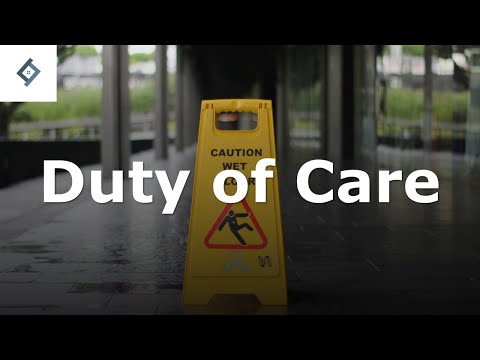
You might be wondering why this matters so much? Well, consider this scenario: imagine you slip on some wet floor at your local supermarket because they didn’t put up warning signs. If the store had been negligent in keeping things safe—like failing to warn customers—they might have breached their duty of care towards you. If you decide to take legal action for your injuries, understanding duty of care is critical for your case.
But here’s where it can get tricky: not every situation where something bad happens will fall under duty of care! Just because you’re hurt doesn’t automatically mean someone else is legally responsible for it. Courts look very closely at each situation before drawing any conclusions.
The implications are huge too! For businesses and professionals—like doctors or engineers—having clear duties means they must ensure safety and quality in what they provide; otherwise they could end up facing lawsuits!!!
In summary—and I know this sounds like legal jargon—duty of care is all about being responsible for how our actions affect others around us. Understanding its principles can help clarify who’s liable when things go wrong.
If everyone kept this principle front and centre in their mind—we’d probably see fewer disputes and more accountability live out there every day!
Understanding Duty of Care in Common Law: Key Principles and Implications
The duty of care is a big deal in common law, especially in the UK. Basically, it’s all about ensuring that people take reasonable care not to harm others while they’re doing things. But what does that mean in practice? Well, let’s break it down.
First off, the duty of care can be traced back to the famous case of Donoghue v. Stevenson in 1932. This case set a foundation for modern negligence claims. It involved a woman who got sick after drinking a ginger beer that had a snail in it—yuck! The court ruled that the manufacturer had a duty to ensure their product was safe for consumers.
So, how do courts decide if someone has breached this duty? There are a few key principles at play:
- Foreseeability: You need to ask yourself: Could the harm have been predicted? If it’s totally out of left field, then maybe there’s no duty.
- Proximity: This refers to how closely related you are to the person you might harm. For example, if you’re driving and texting, and hit someone because you weren’t paying attention—there’s clear proximity there.
- Reasonableness: What would an average person do in similar circumstances? Courts will look at what a reasonable person would have done instead.
But sometimes things get tricky. Not everyone has the same level of responsibility. For example, teachers have a higher duty of care towards their students compared to regular citizens because they’re responsible for kids’ safety during school hours.
Now let’s say someone slips and falls in your store because you didn’t clean up a spill. If they can prove that you knew about it or should have known about it and did nothing, they might hold you liable. That’s where breech of duty comes into play.
And here’s where it gets even more interesting: there are also some limitations on this duty of care. In some cases, certain professions might enjoy protective rules; they’re not going to be held liable for everything under the sun if they acted reasonably within their expertise.
One thing that’s super important is how this all ties into personal injury claims too. If someone feels another person didn’t fulfill their duty of care and caused them harm (physical or psychological), they can sue for damages—that’s usually where lawyers come into play!
Oh, and here’s something else: public authorities like local councils also owe duties of care—for instance, maintaining safe roads or parks—so think about how many factors come together when assessing these cases.
In short, understanding duty of care isn’t just lawyer mumbo jumbo; it’s something that affects us all in our day-to-day lives—whether at work or while out shopping! So next time you’re navigating situations where someone’s safety is involved—remember those principles! It could save you from legal trouble down the road!
You know, when you think about law, it can feel a bit abstract. But let’s take a moment to look at something really essential—the common law duty of care in the UK. It’s kind of like this underlying principle that affects so much of our daily lives, even if we don’t realize it.
Imagine you’re walking on a sidewalk, and suddenly you trip over a poorly maintained curb. You could get hurt pretty badly. In this situation, the local council or whoever is responsible for that sidewalk might be held accountable because they have a duty to keep public places safe for folks like you and me. That’s basically what the duty of care is all about—making sure we act responsibly towards others to prevent harm.
Now, how do you know if someone has failed in their duty? Well, it usually comes down to whether their actions (or lack thereof) fell below what’s seen as reasonable behaviour. Take a friendly shop owner who knows their floor gets slippery when wet but doesn’t put up any warning signs. If someone slips and falls because of that, you bet they might be in trouble for breaching their duty of care.
It’s not just about physical surroundings either; it extends into many areas—like if a doctor fails to diagnose an illness properly or if your neighbour doesn’t secure their fence and your dog escapes because of it. These situations hinge on whether harm was foreseeable and whether reasonable steps were taken to prevent it.
You might remember hearing about some famous cases related to this principle. Like the one with Caparo Industries v Dickman from 1990? It set out those three critical tests for establishing if there was a duty of care: foreseeability, proximity, and whether it’s fair just and reasonable to impose that duty.
Honestly, thinking about this stuff can be pretty intense sometimes! I mean, there’s so much at stake when someone’s health or safety depends on another person’s actions—or inactions! It makes you appreciate those everyday responsibilities we often overlook.
In essence, understanding the common law duty of care helps us all navigate life with a bit more awareness regarding our interactions with each other. We all have the power (and responsibility) to create safer spaces—whether that’s keeping our own properties safe or holding larger entities accountable when necessary. So next time you’re out and about, just take a second to think: who might be looking out for your safety today?


