
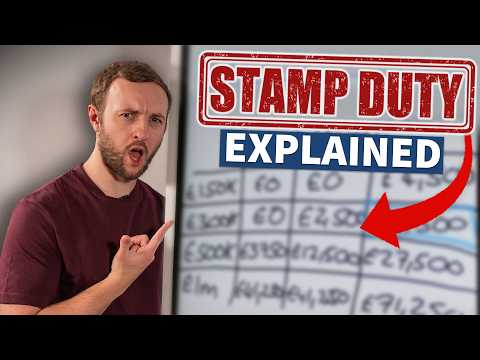
You ever bought a house? Or maybe just thought about it? Well, let me tell you—a mate of mine once bought his dream flat in London only to find himself slapped with a hefty stamp duty bill that felt like a pie to the face. Seriously, it’s like this hidden monster that pops up right when you thought you were done celebrating.
Stamp duty might not sound sexy, but if you’re diving into property in the UK, you better know what it’s about. It’s that tax everyone talks about but no one really wants to get into. You might wonder, “Why should I care?” Trust me, it can make or break your budget.
The information on this site is provided for general informational and educational purposes only. It does not constitute legal advice and does not create a solicitor-client or barrister-client relationship. For specific legal guidance, you should consult with a qualified solicitor or barrister, or refer to official sources such as the UK Ministry of Justice. Use of this content is at your own risk. This website and its authors assume no responsibility or liability for any loss, damage, or consequences arising from the use or interpretation of the information provided, to the fullest extent permitted under UK law.
In this chat, we’ll unpack what stamp duty law really covers—without all the legal jargon. So grab a cuppa and let’s sort through the ins and outs of this thing together!
Smart Strategies to Minimize Stamp Duty Costs in the UK
Navigating the world of stamp duty can be a bit tricky, so let’s break it down, shall we? Stamp duty is the tax you pay when you buy property in the UK. It can hit your wallet pretty hard, but there are some smart strategies to help you minimize those costs.
First off, you need to know about the **stamp duty thresholds**. As of now, if you’re buying your first home for up to £425,000, you might not have to pay a penny in stamp duty. That’s right! For properties up to that amount, you’re in the clear. So if you’re on the hunt for your first home, make sure to look at properties within this price range.
Consider Shared Ownership. If you’re not quite ready to purchase a whole property outright, shared ownership schemes allow you to buy a share of a home and pay rent on the rest. The good news? You only pay stamp duty on the value of your share. For instance, let’s say you’re buying a 50% stake in a £300,000 home. You’d only be liable for stamp duty on £150,000 instead.
Another thing to think about is whether you’re buying as an individual or through a limited company. While individuals often face higher rates if they’re second-home buyers or investors, companies might have different thresholds or exemptions that could save money in some cases.
Timing is everything. If you can afford to wait until after significant government announcements or budget changes regarding stamp duty rules—like potential increases in tax reliefs or changes in thresholds—you might just get lucky with lower costs.
Then there’s something called disclaimers and exemptions. Some types of transactions either don’t incur stamp duty or are reduced significantly. For example:
Consider whether any special exemptions apply to your situation—these can make quite a difference.
Also, it’s worth looking into **reliefs for first-time buyers** again since they often get lessened rates under certain conditions.
Now let’s talk about the importance of accurate valuations. Sometimes sellers overprice properties which results in higher stamp duties for buyers based on inflated values. Getting an independent valuation before making an offer can not only save you money on the initial purchase but also lessen your stamp duty burden.
And remember that if there’s any chance you’ve mistakenly overpaid due to an incorrect assessment of fees based on price or other circumstances—you have options! You can apply for a refund through HM Revenue and Customs (HMRC). Just make sure you’ve got all your details straight when doing so!
Lastly, keep communication open with your solicitor and conveyancer; they really are your friends here! They know all the ins-and-outs and can guide along each step which may lead to additional savings that aren’t immediately obvious.
In summary: Know those thresholds well; explore shared ownership; consider timing; check out any exemptions; get accurate valuations; and most importantly—keep close contact with legal pros who deal with these matters daily. By keeping these strategies in mind while navigating stamp duty law in the UK, you could see significant savings that make all this property business just a bit less daunting!
Understanding the Latest Stamp Duty Rules in the UK: Key Changes and Implications
People often find themselves scratching their heads over stamp duty, right? Well, let’s break it down together. So, you’ve probably heard a lot about the latest changes to stamp duty rules in the UK. But what do they really mean for you? Let’s dive into the key changes and their implications in a way that makes sense.
Firstly, stamp duty land tax (SDLT) is what you pay when you buy property in England and Northern Ireland. It’s a tax based on the price of the property, and when prices rise, so does your bill. Recently, there have been some adjustments that might make a difference for buyers.
One of the biggest shifts is the threshold increase. For residential properties, the starting point where you begin to pay stamp duty has gone up to £250,000 for most people. That means if you’re buying a home under that price tag, you’re off the hook! But if it’s over £250k? Then you’ll start paying on the portion above this threshold.
Now, if you’re a first-time buyer, you’re in luck! The government raised the threshold for first-time buyers to £425,000 when purchasing a property worth up to £625,000. So basically, if it’s your first home and falls under those limits—congratulations! No SDLT for you!
But hang on; it’s not all sunshine and rainbows. The higher rates kick in quickly after these thresholds. For example:
- From £250k to £925k: You’ll face 2% on what’s above £250k.
- If your purchase hits between £925k and 1.5 million: That jumps to 5% over that amount.
- Anything above £1.5 million? Well, be prepared for 10%. And if it reaches 2 million or more—better hold onto your wallet because that shoots up to 12%!
So why should all this matter to you? Well, after these changes were introduced back in September last year (2022), many potential homeowners felt relieved with having lower upfront costs when purchasing their dream pad—or at least less daunting costs!
But here comes another twist: some regions have their own additional rules too! In Scotland and Wales, they use different systems called Land and Buildings Transaction Tax (LBTT) and Land Transaction Tax (LTT) respectively. These don’t follow exactly what happens in England.
A little while back I had a friend named Sarah who was buying her first flat in Manchester. She was super worried about how much she’d have to cough up for stamp duty since her budget was tight. Once we went through these new regulations together? She was surprised at how much she actually saved—enough cash left over to decorate her new place!
To sum it all up: understanding these latest stamp duty rules can seriously impact which house or flat becomes yours without breaking your bank account—so it’s definitely worth looking into before making any big decisions.
But remember: these rules can change again as markets shift or government policies evolve. Keeping an eye on any future updates will help keep your plans on track without unexpected surprises lurking around the corner!
Understanding Stamp Duty in the UK: Who is Required to Pay?
So, let’s chat about **Stamp Duty** in the UK. It’s a big deal if you’re thinking of buying property, but don’t worry, I’ll break it down for you.
First off, **what is Stamp Duty?** Well, it’s a tax you have to pay when you buy property or land over a certain price. The amount you pay depends on how much the property costs and where it is located.
Now, who’s got to pay this tax? Typically, it’s the *buyer* who ends up footing the bill. So if you’re looking to buy your first home or maybe that flat in London you’ve been eyeing—sorry, but you’ll need to plan for this extra cost.
Here are some key points about who pays and when:
- Thresholds: You only start paying Stamp Duty once the purchase price exceeds £250,000 for residential properties. For first-time buyers, there’s a bit of a break—if your new home costs less than £425,000, you won’t pay anything.
- Rates: The rates are tiered. This means you don’t pay a flat rate on the entire price. Instead, each portion of your property’s cost is taxed at different rates. For example:
– The first £250,000 is tax-free.
– From £250,001 to £925,000 is taxed at 2%.
– And so on—getting progressively higher as prices go up. - Additional Properties: If you’re buying an additional property (like a buy-to-let), there’s an extra 3% on top of the standard rates—yikes! That hit can sting.
- Shared Ownership: If you’re going for shared ownership (buying part of a property), you’re taxed based on your share’s purchase price rather than the full value of the house.
And hold up! There are **exemptions** too. Some specific situations might mean you don’t have to pay any Stamp Duty:
– If the property is below that threshold I mentioned earlier.
– Certain transfers between family members.
But here’s where it can get tricky! If someone buys land or property as part of business activity—like commercial properties—the rules change slightly.
Let me tell ya—a friend of mine bought her first home last year and had no idea she’d be dealing with this extra tax until her solicitor dropped the news at closing time! It was stressful trying to scrape together those additional funds last minute.
The thing about Stamp Duty is that being aware beforehand can really save headaches later on. So before diving into that property market plunge, just make sure you’ve got those costs lined up.
In summary: Yes, as a buyer in most cases—you will have to navigate these payments if you’re stepping onto that property ladder! Just knowing what to expect will hopefully ease some anxiety and keep surprises at bay when it’s time to sign those papers!
Stamp duty law in the United Kingdom can feel a bit like wandering through a thick fog, you know? At first glance, it seems like a maze of rules and numbers. But once you start peeling back the layers, it becomes a lot clearer. You just have to take it step by step.
So, what is stamp duty? Basically, it’s a tax you pay when you buy property or land over a certain price. If you’ve ever been in the exciting (and sometimes nerve-wracking) process of buying your first home, you might remember feeling that rush of emotion when the agent hands over those keys. But then comes this moment of reality check: “Oh wait, I have to pay stamp duty too?”
Navigating this tax can really bring on the stress. Just imagine this: you’re finally ready to move into that adorable, little flat you’ve been eyeing for ages. The excitement’s building up—until you realize that depending on how much you’re spending, there’s an extra chunk of cash needed for stamp duty. For many people, especially first-time buyers, that’s where confusion kicks in.
There are different rates depending on factors like whether you’re a first-time buyer or not and how much the property is worth. On top of that, there are changes every now and then based on government policies or economic conditions. Honestly? It can get quite overwhelming trying to keep up!
Let’s say you’ve found your dream place for £300,000. As a first-time buyer in England or Northern Ireland, great news—there might be some relief available! You could potentially avoid paying anything if it’s under £425,000! That moment when you realize your financial planning just got easier? Priceless.
But make sure you’re aware that there are variations if you’re looking at properties outside England and Northern Ireland. Scotland has its own version called Land and Buildings Transaction Tax (LBTT), while Wales has its own Land Transaction Tax (LTT). Want more complications? Well, if you’re buying an additional property like a holiday home or buy-to-let investment—watch out! There’s an extra 3% added to those rates as well.
You see how it can rack up quickly? Plus figuring out what exemptions apply can feel like solving a puzzle without all the pieces!
Taking all these twists and turns into account really underscores why some folks seek out advice from professionals who know their way around these laws and figures—especially if they’re getting lost along the way. No shame in asking for help when navigating through tax waters!
At its core though, understanding stamp duty isn’t just about crunching numbers; it’s about how it affects your life plans too. Whether it’s making that leap into your new home or investing in property for your future—it’s all tied together with those pesky bits of legislation we call stamp duty laws.
So if you’re gearing up to jump into property ownership or simply curious about what this all means for someone else you know…don’t let fear stop you from diving right in! Just take things slowly and don’t hesitate to reach out for help when things get murky!


