
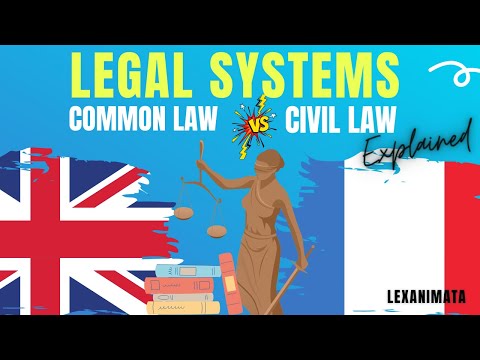
You know, I once got into a debate at a pub about whether the UK really has a “legal system” or just a bunch of rules that sound fancy. I mean, it’s kind of both, right?
So picture this: you’ve got common law with its history of judges and all sorts of quirky traditions. Then there’s civil law, which is more like having a recipe book for legal situations. Not as fun, maybe, but definitely a bit more straightforward.
The information on this site is provided for general informational and educational purposes only. It does not constitute legal advice and does not create a solicitor-client or barrister-client relationship. For specific legal guidance, you should consult with a qualified solicitor or barrister, or refer to official sources such as the UK Ministry of Justice. Use of this content is at your own risk. This website and its authors assume no responsibility or liability for any loss, damage, or consequences arising from the use or interpretation of the information provided, to the fullest extent permitted under UK law.
In the UK, we’ve got this mix of the two. It’s not just black and white; it’s like trying to choose between tea and coffee—both have their charm!
Let’s break down what these systems are all about. Seriously, it’ll help you figure out how they work together—or don’t—in our quirky legal world.
Understanding the Differences Between Common Law and Civil Law: A Comprehensive PDF Guide
Alright, so let’s chat about the two big guns in the legal world: Common Law and Civil Law. They’re like two different approaches to law that shape how justice is served, and they have some key differences. You might be wondering, “What’s the big deal?” Well, understanding these differences can really help you navigate legal matters better.
Common Law has roots in England. It’s all about case law—basically, what judges have decided in earlier cases influences future decisions. Imagine a judge making a ruling on something and then future judges looking back at that case when deciding similar issues. This system is pretty flexible because it adapts to new situations over time.
On the flip side, we have Civil Law, which is based more on written statutes and codes. Think of it like having a rulebook that everyone follows. Countries like France and Germany operate mainly under this system. In Civil Law jurisdictions, judges play less of a role in shaping the law. Instead, they stick closely to applying existing laws as written.
Here are some main differences:
- Sources of Law: Common Law relies on judicial precedents while Civil Law focuses on statutes.
- Judicial Role: In Common Law systems, judges interpret laws based on past cases. Civil Law judges apply the law strictly.
- The Court Process: Common Law often involves longer trials with more focus on arguments from both sides; Civil Law tends to be more straightforward and concise.
- Anecdotes Matter: In Common Law, stories from previous cases can sway outcomes; Civil Law relies less on narrative.
- The Role of Lawyers: Lawyers in Common Law systems actively argue cases before a judge; in Civil systems, lawyers often just present evidence.
This isn’t just academic stuff either; it’s real-life implications for folks like you navigating legal waters! For instance, if you were caught up in a contract dispute under Common Law rules here in the UK, you’d likely rely heavily on previous rulings about similar contracts to make your case stronger. But if you were in a Civil Law country? You’d probably need to point right back at specific written laws instead—could definitely change how you prepare your argument!
Navigating these systems isn’t just about knowing what they are but also understanding their influence on your rights and obligations. Serious stuff! So remember: while we mostly live under Common Law here in the UK, being aware of these differences might help illuminate things when engaging with international legal issues or even having friends abroad dealing with their own cases.
You see? It’s all quite fascinating once you get into it! The differences between Common and Civil law not only shape how laws are interpreted but also how justice is served around the globe.
Understanding the Key Differences Between Civil Law and Common Law Systems
When we talk about civil law and common law, we’re diving into two different ways of handling legal matters, like two distinct styles of music. You might prefer one over the other, but understanding both is super important, especially in the UK.
So let’s break it down.
Common Law:
In the UK, we primarily use common law. This system has its roots in English law and relies heavily on court decisions and judicial precedents. Basically, that means judges have a lot of power to interpret laws based on past cases. If something similar happened before, it guides their decision now.
Imagine you’re in a situation similar to your friend’s recent court case. The judge would look back at how previous judges decided similar issues to figure out what’s fair. This creates a sort of consistency over time—which is pretty neat when you think about it!
Civil Law:
Now, civil law is a whole different kettle of fish. It’s more structured and relies on comprehensive codes and statutes—think of it as a big rulebook that covers just about everything! Civil law systems originated from Roman law and are widely used around the world, like in France or Germany.
In civil law countries, judges play more of a referee role rather than making laws through case decisions. They apply existing laws to cases without digging too deep into past judgments. It’s like having a giant manual for every possible situation—less wiggle room for interpretation!
Key Differences:
- Sources of Law: In common law, it’s mostly case law; in civil law, it’s written codes.
- Judicial Role: Common law judges create precedents; civil law judges apply rules.
- Pursuit of Justice: Common law emphasizes adversarial proceedings (like battles), while civil involves more inquisitorial processes (like investigations).
- Pleadings & Evidence: Common law often requires detailed pleadings; civil can be more straightforward.
- Flexibility: Common law is adaptable based on new cases; civil is more predictable because it sticks closely to the code.
You see? Different strokes for different folks!
Now here’s something else to chew on: The United Kingdom does utilize aspects from both systems! For instance, certain areas like contract or commercial disputes may lean towards common-law principles but still acknowledge some civil-law elements.
It’s fascinating how these legal frameworks shape our lives, even if we don’t always realize it! Whether you’re navigating small claims or something much bigger—or just curious—it all ties back into this ongoing dance between common and civil systems.
Understanding these differences can help you appreciate how justice unfolds in various contexts across the globe—and even right here at home!
Common Law vs. Civil Law: A Comprehensive Comparison to Determine Which Legal System Reigns Supreme
Common Law vs. Civil Law: A Comparison
So, let’s break this down, shall we? When people talk about legal systems, they usually mention two big players: common law and civil law. It’s like choosing between tea and coffee—both have their fans. But what really sets them apart?
Common Law
First off, we’ve got common law. This system is mostly found in places like the UK, the US, and Australia. The thing with common law is that it relies heavily on court decisions. When judges make rulings, those decisions become part of the law for future cases. It’s all about *precedent*. If a judge decides something today, other judges will usually follow that same reasoning later on.
You might be wondering how this impacts you day to day. Well, imagine you’re involved in a dispute over a contract. The judge will look at similar cases from the past to help determine what should happen now. That’s pretty important because it gives some consistency to how laws are applied.
Civil Law
Now, let’s flip the coin and talk about civil law. This system is more common in countries like France or Germany—and yes, they love their structure! Civil law relies on comprehensive codes and statutes rather than previous court decisions.
In civil law jurisdictions, the focus is on written laws and regulations that cover various scenarios. So if you find yourself in a legal situation under this system, you’d likely refer directly to these *codes* instead of looking at past cases.
For instance, if you were dealing with a traffic accident in France, you’d consult the French Civil Code to see how laws apply rather than digging through old court rulings.
Key Differences
When comparing these two systems in the UK context:
- Source of Law: Common law is judge-made; civil law comes from codified statutes.
- Court Procedures: In common law systems, trials can be adversarial—lots of back-and-forth; civil courts tend to be more inquisitorial.
- Role of Judges: Judges in common law interpret and apply laws; in civil systems, they play a significant role in investigation.
- Legal Certainty: Common law can lead to uncertainty as new precedents emerge; civil law aims for clarity through its codes.
The UK Twist
In the UK specifically—oh boy—our legal system has kind of an interesting blend! While we predominantly follow common law principles, there are areas influenced by statutes that make us echo some civil law features too.
Take consumer rights legislation as an example: it’s built around specific codes but still operates within a broader common-law framework. So basically? You’ve got both worlds mixing together!
It’s crucial for anyone dealing with legal matters here to understand how these systems can interact. You might be painting your fence when suddenly your neighbor claims it’s overstepping property lines—common law cases will guide your resolution while relevant statutes help outline your rights!
So there you have it! A peek into common vs. civil law without too much jargon or head-scratching details! What I hope shines through is that both systems have their pros and cons depending on what situation you’re facing—and sometimes it’s less about which one reigns supreme but rather which one fits best for your needs at any given moment.
You know, when you think about legal systems, it’s kind of like comparing apples and oranges. And in the UK, we’ve got this unique blend of common law and civil law elements that can be a bit tricky to navigate sometimes.
Common law, which is what the UK primarily follows, is based on case law and judicial decisions. Basically, judges look back on previous cases to make decisions in current ones. It’s a bit like having your older sibling mentor you through challenges—using their experiences to guide your own choices. This system allows for flexibility and adaptability; it evolves as society does. I mean, take family law as an example—it has changed so much over the years to reflect modern values!
On the flip side, civil law systems—like those in many European countries—are more codified and structured. They rely heavily on written statutes and legal codes. It’s more about following a set path laid out for you rather than figuring things out as you go along. I remember reading about a friend who was studying in France; she found it hard to adjust because her professors emphasized sticking strictly to the code instead of relying on past judgments.
In practice, this means that common law can feel quite dynamic while civil law seems more predictable at first glance. But then again! There are pros and cons to each system: common law might seem chaotic or inconsistent at times due to its reliance on previous rulings while civil law may lack the personal touch that comes with distinguishing cases based on prior judges’ calls.
What really strikes me is how these systems influence people’s lives differently depending on where they are legally standing in society. I once spoke with someone who had experienced both systems while living in different countries. They shared how frustrating it was trying to adapt from one approach to another. Their issues highlighted just how deeply legal frameworks intertwine with our daily lives.
So yeah, it may not be perfect or crystal-clear all the time, but this mix of common and civil aspects keeps things interesting in UK’s legal context! And whatever your perspective is on these systems, they both aim ultimately at providing justice and order in society—just through different paths.


