
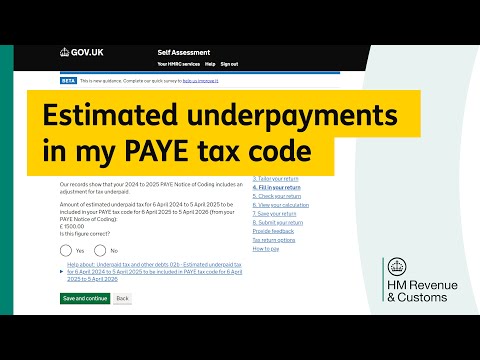
You know that feeling when you get your payslip, and it looks all wrong? Like, why did they take out so much? It’s like a surprise party, but not the fun kind.
Tax coding can be a real puzzle. Seriously! If you’ve ever scratched your head over PAYE details, you’re not alone. Many folks find themselves lost in the maze of tax codes and underpayment issues.
The information on this site is provided for general informational and educational purposes only. It does not constitute legal advice and does not create a solicitor-client or barrister-client relationship. For specific legal guidance, you should consult with a qualified solicitor or barrister, or refer to official sources such as the UK Ministry of Justice. Use of this content is at your own risk. This website and its authors assume no responsibility or liability for any loss, damage, or consequences arising from the use or interpretation of the information provided, to the fullest extent permitted under UK law.
And what about those letters from HMRC? Ugh! It feels like they’re speaking a different language sometimes, right?
So, let’s chat about what tax coding is all about and how underpayments sneak up on you. Don’t worry; I’ll make it easy to understand!
Understanding Incomes Exempt from PAYE: A Comprehensive Guide
Understanding income that’s exempt from PAYE (Pay As You Earn) can seem a bit complex, but really, it’s all about knowing what’s what. Basically, PAYE is how income tax and National Insurance contributions are collected from your salary. But not everything you earn gets taxed that way. Let’s break it down.
When we talk about PAYE exemptions, we’re referring to certain types of income that don’t affect your PAYE tax code or aren’t subject to tax. Here are some key points about that:
- Statutory Payments: Certain payments like Statutory Sick Pay (SSP) and Statutory Maternity Pay (SMP) are usually exempt from PAYE.
- Pension Income: If you’re receiving a pension from a registered scheme, it might not always come under PAYE if it’s below the taxable threshold. You may even have a different code for it.
- Certain Benefits: Some state benefits, like Disability Living Allowance or Personal Independence Payment, don’t get taxed through PAYE.
- Interest on Savings: Sometimes interest earned on savings can be tax-free if you’re under the personal savings allowance limit.
- Capital Gains: Money made from selling assets like shares might not be taxable through PAYE unless it exceeds the annual exempt amount.
To put this into perspective, let’s take Sarah as an example. She works part-time and also receives some SMP because she just had a baby. The SMP she gets doesn’t go through her PAYE system; instead, it’s paid separately and isn’t counted as taxable income under her regular earnings.
Now, why does all this matter? Well, understanding what’s exempt helps you keep an eye on your overall tax situation. If you’re receiving multiple sources of income—even those that aren’t taxed through PAYE—you need to know how they interact for your tax return.
Also, being clear about these exemptions means avoiding any nasty surprises at the end of the tax year. For instance, if you think every penny is taxable and end up paying too much in taxes because you didn’t account for these exemptions—yikes! That’s why tracking what goes in and out is handy.
In case you’re wondering about tax coding too: each individual has their own unique code that’s determined by HMRC based on your overall financial situation. If you have exempt income mixed in with normal earnings without proper reporting, it can lead to underpayment or overpayment of taxes.
So basically, knowing what parts of your income don’t fall under PAYE gives you more control over your finances and helps ensure you’re paying only what’s necessary.
To wrap up our chat here—understanding incomes exempt from PAYE is pretty essential for managing your finances smoothly. Keeping track of these exemptions can save you cash and help avoid complications later down the line!
Step-by-Step Guide to Paying Underpaid Tax in the UK: Your Essential Checklist
So, you’ve found out you’ve underpaid tax in the UK. Maybe it’s a bit of a shock, right? Don’t worry, it happens to the best of us. Here’s your essential checklist for tackling this head-on and getting things sorted.
Understand Your Tax Code
First off, let’s talk about your tax code. This code tells your employer how much tax to deduct from your pay. If you notice that you’re taking home more than expected or that your pay seems higher than what you’d thought after taxes, it might be time to check if it’s correct.
Check Your Earnings
Next up, double-check your earnings for the year. Gather all your payslips or P60s and have a proper look at them. You want to see if there’s any income that didn’t get taxed correctly. If you think there might be an issue with how much tax was taken out compared to what you earned, take notes.
Calculate What You Owe
You’ll need to figure out exactly how much tax you owe. There are many online calculators available for this—just pop in your details and see what comes up. Be honest about what you’ve earned; it’ll make life easier when trying to smooth things over with HMRC.
Get in Touch with HMRC
Now it’s time to reach out to HM Revenue and Customs (HMRC). You can do this via phone or through their online portal. If you weren’t sure about amounts owed before contacting them, don’t fret! Just provide them with as much info as you have gathered so far.
Discuss How You’ll Pay
When talking to HMRC, they often offer different ways for you to settle any underpayment. You could pay it all back at once or spread the cost over a year through monthly payments deducted from your salary or benefits.
Adjust Your Payment Plan
If they set up an adjustment through PAYE (Pay As You Earn), keep an eye on your payslips moving forward. Make sure those new deductions reflect what was agreed upon with HMRC! Also, check periodically that everything looks right—it’s easy for mistakes to slip through the cracks!
Stay Organized and Keep Records
While you’re working through all this, maintain proper records of everything: correspondence with HMRC, payslips showing deductions made, and any calculations you’ve done yourself. It’ll save a lot of headache later down the line if anything arises again.
Monitor Future Earnings Closely
Lastly, now that you’re aware of how underpayment can happen, stay alert moving forward! Changes like bonuses or new jobs could impact how much tax you’re expected to pay going forward—so keep tabs on those numbers!
So there you have it! By staying informed and keeping communication open with HMRC, you’ll set yourself up better for next time around! Just remember: everyone makes mistakes sometimes; it’s all part of life!
Understanding PAYE Codes in the UK: A Comprehensive Guide to Payroll and Taxation
Understanding PAYE Codes in the UK can be a bit tricky, but don’t worry! We’ll break it down together. PAYE stands for “Pay As You Earn,” which is the system used by employers to deduct tax from your wages before you even see your paycheck. So, what’s the deal with those codes?
First off, PAYE codes help tell your employer how much tax to take from your earnings. Your code might look something like “1257L,” and it’s all about what you can earn before you start paying tax. The standard personal allowance in the UK is currently £12,570. This means that if your code is 1257L, it indicates that you can earn £12,570 without paying any income tax.
Now, if you think your code might be wrong—maybe you’re earning different amounts or have extra income—it’s super important to check this out. An incorrect code can lead to underpayment, which means you’re not paying enough tax throughout the year. This could lead to a nasty surprise when HM Revenue and Customs (HMRC) finally gets around to reviewing things.
So how do these codes get calculated? Well, let’s say you’ve got some deductions or adjustments because of other income or benefits—these affect your PAYE code directly. For example:
- If you’re receiving benefits-in-kind from your employer (like a company car), this could push down your personal allowance.
- If you’ve had previous underpayments from prior years, HMRC might adjust your code to recover that amount.
It might feel overwhelming at times but keeping an eye on communications from HMRC can save you headaches later on. They usually send out a notice called a “P2” when they issue or change your PAYE code.
Let’s chat about what happens if there’s an error in how much tax has been taken off. You could find yourself in a situation where you’re owed money back from HMRC or have an amount due when filing for self-assessment later on. If you find yourself in this pickle:
- You’ll want to contact HMRC quickly—like within three months of noticing the error.
- Keep records of any correspondence and documentation showing how much was deducted versus what should have been.
Oh! And don’t forget—the thing is, if you’re self-employed or have significant other income that isn’t taxed at source (like rental income), then you’ll need to file a self-assessment tax return anyway!
Remembering all this stuff may seem like trying to memorize Shakespeare—hardly fun! Just keep handy that all changes in circumstances—for example starting a new job, going on maternity leave, or changes in pensions—need reporting as they may impact your PAYE coding.
So yeah! That’s essentially what you need to know about PAYE codes. Keeping track of them helps ensure that everything runs smoothly with taxation and payroll so that there are no surprises come April when it’s time for assessments!
You know, tax time can be a real headache for many people in the UK. I mean, take a moment to think about it. You’re going about your normal life, working hard, and then you find out that something’s gone a bit wonky with your tax coding. That’s basically the system that tells your employer how much tax to take from your pay.
So, let’s say you’ve got an unexpected underpayment because of some mix-up in that coding. It’s like being told you ordered a latte but instead got served black coffee—surprising and not quite what you wanted. Suddenly you might owe HMRC more than you’d bargained for.
Picture this: A mate of mine works in marketing. He switched jobs last year and thought everything was sorted with his tax code. Then he gets this letter from HMRC telling him he owes loads back due to an underpayment. Seriously stressful! He had no idea there was anything wrong until it hit him like a ton of bricks.
The big question is, how does this even happen? Well, sometimes employers mess up or fail to use the right codes when they’re processing payroll, or maybe there’s a change in your circumstances—like starting another job or getting benefits—that goes unreported. Either way, it can feel pretty overwhelming.
If you ever find yourself in this situation, don’t panic! The first step is checking your payslip and understanding what code you’re on—your code should reflect personal allowances for your earnings and any deductions.
And if all else fails? Reaching out to HMRC can clear things up. They should help straighten things out and adjust anything that’s gone awry with your coding.
Just remember this: Tax coding doesn’t have to be a scary beast lurking in the shadows of your financial life. It’s all about keeping track and knowing where you stand—you’ll get through it just fine!


