
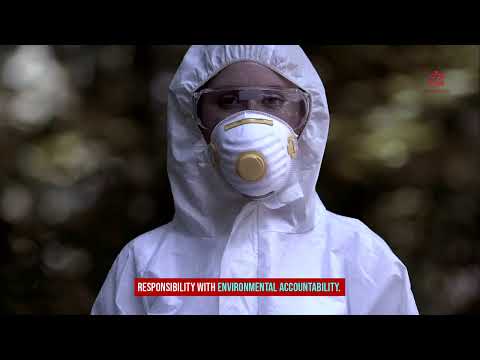
You know, it’s a bit of a head-scratcher that we’re still arguing about climate change in 2023. Like, seriously? It’s a hot topic—pun intended! Just the other day, I overheard someone say they thought climate regulation was just a fancy term for controlling how much grass you can cut. Can you believe that?
But here’s the thing: climate regulation is actually super important for our planet’s future. In the UK, there’s this whole legal framework around it that dictates how we tackle things like carbon emissions and pollution.
The information on this site is provided for general informational and educational purposes only. It does not constitute legal advice and does not create a solicitor-client or barrister-client relationship. For specific legal guidance, you should consult with a qualified solicitor or barrister, or refer to official sources such as the UK Ministry of Justice. Use of this content is at your own risk. This website and its authors assume no responsibility or liability for any loss, damage, or consequences arising from the use or interpretation of the information provided, to the fullest extent permitted under UK law.
There are laws, policies, and all sorts of rules in play. It can seem overwhelming at first glance, but once you peel back the layers, it’s not so scary. So grab your cuppa as we dig into what all this means for us and our environment. You might just find yourself inspired to make a difference!
Comprehensive Overview of Legal Frameworks for Climate Regulation in the UK: Developments and Implications in 2021
Climate change is, like, the big issue of our time. In the UK, we’ve been working on legal frameworks for climate regulation to tackle this crisis head-on. So, what went down in 2021? Well, let’s break it down.
First off, the Climate Change Act 2008 has been a massive cornerstone for UK climate law. It set legally binding targets to reduce greenhouse gas emissions. In 2021, the UK government reaffirmed its commitment to this act and even increased its targets. Instead of a 80% reduction by 2050 compared to 1990 levels, it’s now aiming for net-zero emissions by 2050. Quite the leap forward!
Then there was the UK’s Presidency of COP26 in Glasgow. This was a big deal as world leaders gathered to discuss climate action on a global scale. The outcomes were significant—notably the Glasgow Climate Pact, which sought to keep global warming below 1.5°C! Just imagine: countries were encouraged to come back with stronger commitments.
You also had the development of new policies across sectors—like transport and energy—that are intended to guide businesses and communities towards greener practices. For instance:
- The Ten Point Plan for a Green Industrial Revolution: This outlines areas that’ll get investment and focus—like offshore wind and electric vehicles.
- The Environment Bill: Aimed at improving air quality and protecting biodiversity while making sure we’re all held accountable.
- The Energy White Paper: Outlines plans to transition to renewable energy sources while phasing out fossil fuels.
You know, local authorities are also jumping onto this bandwagon! Many councils have declared climate emergencies and are rolling out local plans responding to those declarations.
But here’s where things can get tricky: implementation always has its bumps in the road. There’s sometimes confusion about responsibilities among different levels of government—local vs national powers—and how they should coordinate their actions.
Also, communities have started pushing back against projects that could harm their environment. There’ve been legal challenges regarding planning permissions for developments that might not align with climate goals; it shows how public awareness is rising!
So basically, all these frameworks play together like pieces of a puzzle aimed at reducing carbon footprints while adapting to changes already happening due to climate issues.
In summary, 2021 marked some important steps forward in solidifying and expanding the UK’s legal frameworks for addressing climate change—from ambitious targets under existing laws to new initiatives that promise investment in sustainability. But just like any good story, there’s more work ahead! You follow me? I mean seriously—this is just getting started as our challenges continue evolving.
Comprehensive Guide to the 2022 Legal Frameworks for Climate Regulation in the UK
The 2022 legal frameworks for climate regulation in the UK are pretty significant. They’re designed to tackle climate change, enhance sustainability, and get us moving towards a greener future. So, what are these frameworks all about? Let’s break it down!
1. Net Zero Strategy
This strategy aims for the UK to reach net-zero greenhouse gas emissions by 2050. That means any emissions produced should be offset by actions that remove the same amount from the atmosphere. The whole idea is to balance things out.
2. Environment Act 2021
This act brought in a bunch of new rules and powers aimed at protecting and enhancing our natural environment. It includes measures on air quality, waste management, and biodiversity. You know, it’s all about keeping our planet healthy.
3. Climate Change Act 2008 (Amendment)
The original act was groundbreaking back in the day, but it got an update in 2019 to include that net-zero target. It sets legally binding carbon budgets that cap how much greenhouse gas can be emitted over a set period.
4. International Obligations
The UK is part of international treaties like the Paris Agreement, which pushes countries to limit global warming below 2 degrees Celsius above pre-industrial levels. We’ve committed ourselves to some serious goals here, you see?
5. Local Climate Action
Local authorities have been empowered more recently to take action on climate change through their own policies. This means they can develop local plans and strategies that work for their communities – think reducing carbon footprints or enhancing green spaces.
6. Green Finance Strategy
Money makes the world go ’round, right? The Green Finance Strategy encourages investment in sustainable projects while ensuring businesses are financially healthy as they transition to greener practices.
So what does this all mean for you? Well, if you’re running a business or even just living your life day-to-day, you might be affected by these laws whether directly or indirectly—like through increased energy costs or needing to comply with stricter regulations around waste disposal.
It’s like when your friend decides they’re going vegan; suddenly everyone’s looking at their own diets! Similarly, these laws ripple through society as community expectations shift towards more sustainable practices.
If we think about it practically: if you’re considering an eco-friendly business venture or simply want to reduce your carbon footprint at home, understanding these frameworks can help guide your decisions.
In short, the legal frameworks of 2022 represent an important step forward in how we manage climate issues in the UK. They set ambitious goals while empowering local communities and sectors to become part of this necessary transformation towards sustainability—and who doesn’t want a healthier planet?
Comprehensive Guide to Climate Change Legislation in the UK: Understanding Current Policies and Future Implications
Climate change is a hot topic (no pun intended) and the UK has been stepping up its game in terms of legislation. You might be wondering, what’s all this about climate change laws? Well, let me break it down for you in simple terms.
First off, the UK is committed to reducing its greenhouse gas emissions. The Climate Change Act 2008 was a real game-changer. It set legally binding targets to keep emissions significantly lower—by at least 80% by 2050 compared to 1990 levels. That’s pretty ambitious, right? But it doesn’t stop there.
The Act also established the Committee on Climate Change (CCC), an independent body that advises the government on emissions targets and monitors progress. This means that there’s a team of experts keeping an eye on things to make sure the UK stays on track.
Now let’s talk about net zero. The UK government has pledged to achieve net-zero greenhouse gas emissions by 2050. So what does that mean for you? Basically, any emissions produced must be offset by actions that remove the same amount from the atmosphere—like planting trees or investing in carbon capture technology.
And while we’re at it, there are some major policies guiding actions in various sectors:
- Renewable Energy Sources: There are schemes like the Contracts for Difference which help support renewable energy projects through fixed payments.
- Energy Efficiency: Initiatives such as the Green Homes Grant promote home upgrades to improve energy efficiency.
- Transport Policies: The Road to Zero strategy aims for all new cars and vans to be zero emission by 2040. How’s that for ambitious?
You might also hear about local authorities getting involved too—councils can have their own climate action plans aligned with national goals. For example, in London, the mayor introduced a plan aiming for “carbon neutral” status by 2030.
With all these policies and regulations sprouting up everywhere, it’s not just about meeting targets; it’s vital for economic growth as well! Investing in green tech can create jobs and boost local economies. Imagine your neighbor starting a solar panel installation business!
But here’s where things get tricky: climate justice. Even though these laws aim to protect everyone, some communities—especially those already disadvantaged—might face bigger challenges during this transition. It raises questions about fairness and who gets left behind in our quest for sustainability.
In short, navigating through climate change legislation in the UK shows us how serious we are about tackling this global issue. With laws like the Climate Change Act leading the charge and future plans aimed at ensuring we’re all pulling together, it’s clear there’s a whole roadmap laid out ahead of us.
So yeah, understanding these frameworks not only highlights where we’ve been but helps you grasp where we’re heading next! And if you’re ever in doubt or want more specifics on legislation impact or details on local action plans… don’t hesitate to dive deeper into resources available or chat with someone knowledgeable!
You know, climate change is really at the forefront of our minds these days. It’s something that affects everyone, and it’s pretty clear we need to do something about it. In the UK, there’s actually a legal framework in place that aims to tackle this pressing issue. Honestly, it’s a big deal.
So, basically, the UK has a number of laws and regulations designed to keep things in check when it comes to greenhouse gas emissions and environmental protection. The centerpiece of this framework is the Climate Change Act 2008. This was groundbreaking for its time—like a serious game changer—because it made the UK the first country in the world to set legally binding carbon reduction targets.
Now, here’s where things get interesting. The act established a target of reducing greenhouse gas emissions by at least 80% by 2050 compared to 1990 levels. That’s no small feat! And they didn’t stop there; they set up legally mandated Carbon Budgets too—basically caps on the amount of greenhouse gases we can emit over five-year periods. If you think about it, it’s kind of like having a strict allowance; you have to manage your spending carefully if you don’t want to run out before payday!
I remember chatting with a friend who works in environmental policy. They told me how daunting it can be for businesses to adapt to these laws. Companies have had to change their practices, sometimes drastically! It can be tough because some are worried about costs or competitiveness—but then again, there are opportunities too! Green technology and sustainable practices could lead the way for new jobs and innovation.
But here’s where things get complex: while we have these frameworks in place, enforcement can be tricky. Not every part of society is equally aware or engaged with these issues. Some local councils are better at implementing climate measures than others; others might lag behind due to budget constraints or lack of resources.
And let’s not forget about international agreements like the Paris Agreement—this also plays into our national framework. The UK committed itself not only just by making domestic laws but also by supporting global efforts through diplomacy and financing initiatives abroad.
All said and done, while there are definitely challenges ahead, it’s encouraging that there’s such a strong legal framework taking shape here in the UK for climate regulation. It shows we’re serious about tackling climate change—you know? Every step counts when you think about it! And maybe one day soon we’ll look back and see just how far we’ve come on this journey toward sustainability.


