
You know what’s amusing? A lot of folks think “civil code” sounds like something straight out of a spy movie. But here we are, in the UK, where laws can feel more like a maze than an action flick.
Picture this: you’re at a party, and someone mentions the Civil Code. Suddenly, eyes glaze over like they’re hearing about tax returns. But hold up! It’s actually pretty crucial stuff for your day-to-day life.
The information on this site is provided for general informational and educational purposes only. It does not constitute legal advice and does not create a solicitor-client or barrister-client relationship. For specific legal guidance, you should consult with a qualified solicitor or barrister, or refer to official sources such as the UK Ministry of Justice. Use of this content is at your own risk. This website and its authors assume no responsibility or liability for any loss, damage, or consequences arising from the use or interpretation of the information provided, to the fullest extent permitted under UK law.
Navigating this legal terrain doesn’t have to be boring or overwhelming. Seriously! It’s more about understanding your rights and responsibilities than it is about wearing a suit and looking serious.
So let’s take a little stroll through the essentials, shall we? You might find that it can be just as interesting as chatting about your favorite TV show—minus the drama!
Comprehensive Guide to Civil Procedure Rules: Understanding Legal Processes and Key Regulations
Navigating the civil procedure rules in the UK can feel a bit like learning to ride a bike. At first, it seems complicated, but with some practice and guidance, it all starts to make sense. So, let’s break down what you need to know about these rules in a simple way.
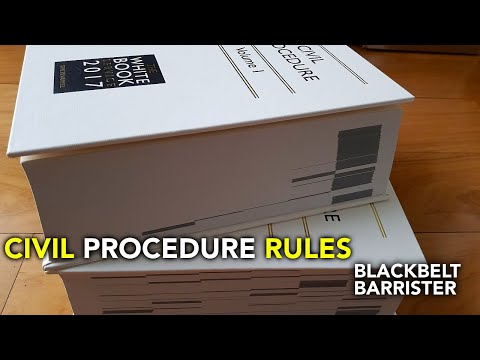
Civil Procedure Rules (CPR) are the framework that governs how civil cases are handled in England and Wales. Basically, they’re there to ensure fairness and consistency throughout legal processes. You’ll find them laid out primarily in the Civil Procedure Act 1997.
One of the key things to understand is how the CPR breaks down into different parts. Each part deals with specific aspects of legal procedures. For example:
- Part 1: This part covers the overriding objective, which means all parties should deal with one another in a way that’s fair.
- Part 3: This deals with case management—essentially helping courts keep track of cases efficiently.
- Part 7: This is all about making claims—how you start a civil claim and what forms you need.
So, here’s where it gets interesting. When someone files a claim, they must adhere to these rules or risk having their case dismissed or delayed. Imagine being late to an important meeting; if you don’t show up on time, you might miss out on something crucial… It’s kinda like that.
A real-life example comes from a friend who once claimed against a company for faulty goods. The thing is, he didn’t file his paperwork properly according to Part 7. It ended up causing delays and lots of stress because he had to go back and sort everything out again.
Another important concept within these rules is witness statements. When going through a civil case, parties often rely on evidence gathered from witnesses. Each party must submit statements following specific guidelines laid out under Part 32. If you’re thinking about using witness statements in your case, it can be helpful for your argument but make sure they’re prepared correctly!
And then there’s disclosure, which you can find under Part 31. This means sharing relevant documents between parties before the trial begins. It’s like showing your cards before playing poker —everyone needs to know what’s at stake!
What happens if someone tries not to play fairly? Well, there are rules for that too! The CPR provides sanctions for non-compliance as outlined mostly throughout various parts. A party can face penalties like costs orders or even having their claim dismissed.
You see how everything ties together? Knowing these rules helps you prepare better if you ever find yourself involved in civil litigation. It’s all about understanding your rights and obligations!
In summary—if you’re familiar with the Civil Procedure Rules, you’ll have a much clearer route through any civil case process in the UK legal landscape! Just take it step by step; before long, you’ll be navigating like a pro!
Comprehensive Guide to UK Civil Procedure Rules: Downloadable PDF Resource
So, you’re looking for a way to understand the UK Civil Procedure Rules, huh? That’s cool! The Civil Procedure Rules (CPR) are like the roadmap for civil cases in England and Wales. They help guide you through the court system, ensuring that everyone plays fair.
First off, let’s talk about what these rules are meant to do. They aim to make the process of going to court easier and more efficient. Basically, they’re there to help you navigate your case without tripping over unnecessary legal jargon.
The Basics of CPR
You’ve got a set of rules that cover everything from how to start a claim, how documents should be served, and even how appeals work. Here’s a quick rundown of some key areas:
- Pre-Action Protocols: Before jumping into court, parties must follow certain procedures like communicating their claims and sometimes even trying mediation.
- Commencing Proceedings: You need to know how to officially start your case by submitting the correct documents and paying any required fees.
- Case Management: This part is about managing your case throughout its life in court. Making sure everything runs smoothly is essential!
- Trial Process: This includes preparing for trial and how evidence is presented before a judge.
- Appeals: If things don’t go your way, there are steps outlined on challenging decisions made by the courts.
Now, you might wonder what happens if you don’t follow these rules? Well, judges can toss your case out or take other actions that could seriously mess with your chances of winning.
The Importance of Clarity
One thing I love about the CPR is its push for clarity and simplicity. You know when you pick up a legal document and it reads like a different language? Not here! The CPR encourages clear communication among all parties involved.
An example would be when filing documents—every document has specific requirements for formatting. Having those laid out means less confusion down the line.
A Resource at Your Fingertips
If you’re after something tangible—a downloadable PDF resource on these rules—plenty of options exist online! Official government websites often provide access to all sorts of civil procedure resources that can help you dive deeper or just brush up on essentials.
The Big Picture
Understanding these rules isn’t just about knowing where your rights lie; it’s also about understanding how courts expect people (yeah, that’s you!) to behave throughout this whole process. It’s like having an inside scoop on what happens behind those courtroom doors.
Talk about empowering! With this knowledge under your belt, you’ll feel far more confident navigating any civil issue that comes your way—even if it’s just as simple as knowing who should actually file that claim or when deadlines fall.
Remember: having an idea of these Civil Procedure Rules can save not just time but also headaches down the line! So keep this info handy as you move forward in understanding UK civil law better.
Comprehensive Guide to Civil Law in the UK: Downloadable PDF Resource
Civil law in the UK can feel a bit like wandering through a maze. It’s all about resolving disputes and protecting rights, but the terminology and processes can be confusing. So, let’s break it down for you, shall we?
What is Civil Law?
Essentially, civil law deals with disputes between individuals or organizations. Think of it as a way to sort out problems without getting into the criminal side of things. It covers everything from contracts to family issues, property matters, and torts (which are basically wrongs that one party does to another).
The Structure of Civil Law
In the UK, civil law doesn’t hinge on one single code; it’s built on statutes and case laws. This means judges’ decisions in past cases can really shape how things unfold in future disputes. You see? It’s not just about following a rulebook.
- Statutes: These are laws passed by Parliament. For example, the Contracts Act 1999 governs contractually binding agreements.
- Case Law: When judges make decisions on cases, they create precedents that others must follow. If you lost a personal injury case years ago because of your own negligence, that might help future cases.
Navigating Civil Disputes
If you find yourself in a civil dispute, it usually starts with trying to resolve it amicably. You know? Mediation can be a great first step before things escalate into court action.
If mediation doesn’t work out (which can happen), you may need to file a claim in court. This process can feel pretty daunting—papers flying everywhere! But there are different courts for different types of cases:
- The County Court: Handles most civil claims under £100,000. Think small claims or landlord-tenant issues.
- The High Court: Deals with more serious matters like large sums or complex claims.
Your Rights Matter
You have rights during this whole process! For instance:
– You should always have the opportunity to present your case.
– You’re entitled to legal representation if you need it.
– The judge will decide based on evidence presented.
An important thing to remember is that you shouldn’t ignore any court summons or papers you get—seriously! Failing to respond can lead to judgments against you without even having your say.
Anecdote Time!
I remember chatting with a friend who got tangled up in a property dispute over some inheritance. It was messy! But by understanding their rights and going through mediation first, they managed to avoid court entirely and came up with something both sides could accept.
So really, it helps to know what you’re dealing with when navigating civil law in the UK. Whether it’s understanding statutes or recognizing your rights in court procedures—it all adds up!
And hey—if you’re looking for downloadable resources or PDFs on specific areas of civil law? There are definitely helpful materials out there! Just make sure whatever you’re downloading is credible and from trusted sources.
In short, while civil law can seem overwhelming at times — remembering these key points definitely makes it easier to navigate your way through any situation you might find yourself in!
Navigating the Civil Code in UK legal practice can feel a bit like wandering through a maze. It’s complex, with its twists and turns, and just when you think you’ve figured out the way, another detail pops up to make things interesting.
When I was chatting with a friend who works in law, they shared this story that really stuck with me. They were helping a small business owner who got tangled up in a contractual issue. This guy thought he understood his obligations under the Civil Code, but it turned out there were nuances he’d completely overlooked. It made me realize how easily anyone can fall into that trap.
The thing is, the Civil Code isn’t just a dry collection of rules. It’s about real people dealing with real situations—like that business owner who was anxious about potential lawsuits and financial penalties. You could say it’s less like reading a dusty old book and more like navigating through an evolving landscape where every decision counts.
Understanding how to apply the code requires not just legal knowledge but also empathy. It’s about seeing beyond the text to appreciate what impact laws have on people’s lives. I mean, regulations may seem rigid at first glance, but they’re fundamentally designed to protect rights and support justice.
And then there’s the challenge of interpreting statutes. Every case might be unique—what worked once might not work again since individual circumstances often create different outcomes. Plus, legal precedents can shift over time as society evolves.
But here’s the kicker: while it sounds all daunting and complex, once you immerse yourself in it, things start making sense. The more familiar you become with the code’s layout and language, the more comfortable you’ll feel maneuvering through scenarios for your clients or even for yourself.
And honestly? There’s something rewarding about piecing together these jigsaw puzzles of law and seeing how they fit into someone’s life story particularly when you can help clarify their rights so they feel empowered instead of lost.
So, if you’re stepping into this world or are already knee-deep in it, remember that navigating the Civil Code is as much about understanding people as it is about grasping legal jargon. Just take your time; be patient—with yourself and others—and you’ll find your way through!

