
So, imagine you’re at a pub with your mates, right? Someone’s chatting about taxes, and suddenly there’s this awkward silence. Everyone’s wondering what the heck VAT even is. You just want to enjoy your pint!
But here’s the thing—VAT can feel like one of those puzzles where you think you’ve got it figured out, and then bam! Another piece comes flying in from nowhere. Seriously, trying to navigate VAT compliance for your company in the UK can be a bit of a maze.
The information on this site is provided for general informational and educational purposes only. It does not constitute legal advice and does not create a solicitor-client or barrister-client relationship. For specific legal guidance, you should consult with a qualified solicitor or barrister, or refer to official sources such as the UK Ministry of Justice. Use of this content is at your own risk. This website and its authors assume no responsibility or liability for any loss, damage, or consequences arising from the use or interpretation of the information provided, to the fullest extent permitted under UK law.
You might think it’s all just numbers and paperwork. Well, there’s more to it than that! It’s crucial for keeping your business running smoothly and staying on the good side of HMRC.
So let’s break it down together. Let’s make sense of VAT compliance without putting us all to sleep!
Understanding VAT Registration Requirements for UK Companies: Who Needs to Register?
Understanding VAT registration in the UK can seem a bit daunting, but it’s super important for businesses. So, let’s break it down.
What is VAT?
VAT stands for Value Added Tax. It’s a tax added to most goods and services sold in the UK. When you’re running a business, understanding whether you need to register for VAT is crucial—it can affect your pricing and your compliance with the law.
Who Needs to Register?
Most businesses need to register for VAT when they hit a certain threshold. As of now, that threshold is £85,000. This means if your taxable turnover exceeds this amount in a 12-month period, you’ve got to register.
But it doesn’t stop there! Even if you haven’t reached that magic number yet, you should still consider registering voluntarily:
- If you expect your sales to exceed £85,000 in the next 30 days.
- If you’re making zero-rated supplies but still want to reclaim VAT on purchases.
What Counts as Taxable Turnover?
Now, what exactly counts towards that £85,000? It includes all sales of goods and services that aren’t exempt from VAT. So think about things like:
- Sales of physical goods.
- Most services provided by your business.
So yeah, if you’re thinking about adding those small amounts from side gigs or freelance projects together with your main business income—count them in!
Exceptions!
There are always exceptions! Some businesses don’t have to register even if they make over the limit. This usually applies to certain sectors like education or healthcare where specific exemptions exist.
Plus, there are different types of registrations. For instance:
- Flat Rate Scheme: This simplifies how you pay VAT.
- MOSS (Mini One Stop Shop): Great for digital services sold across borders!
And here’s an interesting twist: If you wind up below £83,000 in taxable turnover over a year after being registered? You can de-register!
The Consequences of Not Registering
If you should’ve registered but didn’t? Well—it can get messy. You’ll owe backdated fees and may face penalties. Plus, trading without being properly registered could hurt your credibility with customers or suppliers.
So let’s say Sarah runs a little online shop selling handmade candles. She starts out slow but quickly gets popular and notices her sales creeping close to that £85k threshold. She registers just in time and keeps all her records straight—now she’s compliant and on top of her game!
In summary, understanding who needs to register for VAT involves keeping track of your taxable turnover and knowing the rules surrounding exceptions and different schemes available. Stay informed; it’ll save you tons of hassle down the road!
Comprehensive Guide to VAT Rules in the UK: Key Regulations and Requirements Explained
VAT, or Value Added Tax, is something every business needs to grasp if they’re operating in the UK. It’s a tax that you charge on most goods and services, and it can feel a bit overwhelming at first. But don’t worry; let’s break it down into bite-sized pieces.
First off, when you’re selling goods or services, you typically need to charge VAT. The basic rate is currently 20%, but there are reduced and zero rates for specific items. For instance, a children’s car seat is zero-rated, while most restaurant meals fall under the standard rate.
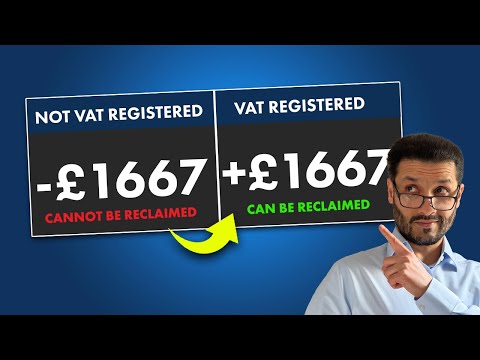
Now, not every business has to register for VAT straight away. You must register if your taxable turnover exceeds £85,000. If your turnover is below that threshold, you can choose to register voluntarily. Why would you do this? Well, registering allows you to reclaim VAT on purchases made for your business!
Once registered, things get a bit more complex. You’ll need to keep proper records because HMRC expects you to submit VAT returns regularly—usually every quarter. That’s where all your sales and purchases come into play. Make sure to include how much VAT you charged and how much you paid out.
But what if you’re just starting out? It might feel like juggling flaming torches! Picture Hannah: she opened a small bakery but was unsure about VAT rules at first. By keeping a simple spreadsheet of her sales and expenses each month, she managed to stay compliant without too much stress—and the best part? She could claim back some of the VAT she paid on ingredients!
When filling out your VAT return form (known as the VAT100), you’ll report how much VAT you’ve collected from customers and how much you’ve paid on supplies. If you’ve charged more than you’ve spent, you’ll have to pay HMRC the difference. But if you’ve spent more than you’ve charged? Good news—you can get a refund!
Another thing worth noting is the different rates of VAT:
- Standard Rate (20%)
- Reduced Rate (5%)
- Zero Rate (0%)
Understanding these rates helps ensure you’re charging customers accurately—no one wants an unexpected bill from HMRC because they miscalculated!
Speaking of compliance—are you aware of the “Making Tax Digital (MTD)” initiative? This basically means you’re required to keep digital records and use software for submitting your tax returns. It’s designed to streamline things and reduce errors but does mean you’ll need some tech savvy.
And remember about international transactions! If you’re importing or exporting goods, different rules apply regarding VAT. For example, exports are usually zero-rated while imports might incur import duty along with VAT upon entry into the UK.
Lastly, penalties can arise if you’re late in paying or submitting returns—it’s essential not to overlook deadlines! They can really pile up quickly.
So yeah, managing VAT seems tricky at first glance but getting familiar with these basics makes it way easier. Keep records tidy—you’ll thank yourself later when those quarterly returns come around! If businesses like Hannah’s can navigate them successfully with just a little organization, so can yours!
Understanding the VAT Threshold for Companies in the UK: A Comprehensive Guide
Understanding the VAT Threshold for Companies in the UK can seem like a bit of a maze, you know? But once you break it down, it’s not too tricky. Let’s clear things up without all the jargon.
First off, what is VAT? VAT stands for Value Added Tax. It’s a tax that businesses charge on most goods and services they sell. If your business’s taxable turnover exceeds a certain limit, you’re required to register for VAT. It’s like flipping a switch; once you hit that limit, there are some new rules you’ll need to follow.
Now, here’s where things get interesting—and maybe even a little confusing. The current VAT registration threshold is £85,000. This means if your taxable turnover is over that amount within any rolling 12-month period, you have to register for VAT. Just think about it: if you run a little shop that suddenly gets super popular and starts raking in sales, you’ll need to keep an eye on that figure.
But what exactly counts as taxable turnover? Well, it includes all sales that would normally be subject to VAT. So if you’re selling products or services and charging VAT on them already, those sales contribute to your total. However, exempt sales—like certain financial services or education—don’t count towards this threshold.
If you think £85,000 is still far off from your earnings right now, that’s cool! You don’t have to register until you hit that number. But then again, if it looks like you’re going to surpass that amount soon—like with upcoming big orders—you might want to consider registering early so there are no surprises later.
And here’s something crucial: Even if your turnover stays below the threshold, there might be advantages in registering voluntarily. For instance, being able to reclaim VAT on purchases can save you quite a bit of cash if you’re buying inventory or equipment for your company—this could really help out with expenses!
So let’s say you’ve crossed that threshold and registered for VAT; now comes compliance time! You’ll need to submit regular VAT returns, usually every quarter or annually depending on how you’ve set things up with HMRC (that’s Her Majesty’s Revenue and Customs). These returns report how much VAT you’ve charged customers and how much you’ve paid on your own purchases.
If you find yourself below the threshold after being registered—maybe due to an economic downturn—don’t panic right away! You can apply to deregister from VAT if you’re confident you’ll stay under the limit in the future.
Oh! And one last detail… If you’re caught trading above the limit without registration? That could lead to penalties from HMRC. They’ve got rules for these things!
Remembering all this can feel overwhelming at times but just take it step by step. Understanding the ins and outs of the VAT system makes managing your finances smoother down the road—and who wouldn’t want less stress when it comes to money matters? Just keep track of those numbers and stay informed; it’ll save you headaches later!
VAT compliance can be a bit of a maze for companies operating in the UK. You know, it’s one of those things that sounds straightforward at first but quickly gets complicated. I mean, think about it. One moment you’re running your business, and the next, you’re tangled up in forms, deadlines, and trying to figure out if you’re charging the right rate.
Picture this: A small shop owner named Sarah decides to start selling handmade candles online. She’s super excited about her new venture. But then she hears about VAT and thinks, “Wait—what’s that?” Suddenly she’s thrown into a world where she has to keep track of sales, understand if she should register for VAT, and deal with quarterly returns. It’s a lot! And honestly, it can feel overwhelming.
Now let’s break it down a bit. In the UK, VAT (Value Added Tax) is a tax that most businesses need to deal with once their taxable turnover exceeds a certain threshold—currently set at £85,000. If you’re below that limit? Well, you might not have to register for VAT at all. But on the flip side, registering can allow you to reclaim any VAT you’ve paid on business purchases.
But the challenge lies in compliance. Companies need to make sure they are accurately recording transactions and filing returns on time or risk facing penalties from HM Revenue & Customs (HMRC). And with all the changes in regulations over the years—like Brexit affecting trade—keeping up can feel like hitting a moving target.
If these obligations aren’t met? The consequences can really weigh heavy on small businesses like Sarah’s. Imagine her surprise when she finds out about fines because of simple mistakes! It’s not just stressful; it can impact profits too.
So here’s the thing: staying organized is key! Whether it’s maintaining proper records or understanding how different transactions affect your VAT status, everything counts in this game. Sure, there are professional services that can help navigate these waters—but at its core? It comes down to knowing your responsibilities as a business owner and making sure you’re prepared.
At the end of the day, VAT compliance is just one piece of running a business in the UK legal landscape. But it’s one that deserves attention; otherwise, those little bumps along the road could turn into major headaches down the line!


