
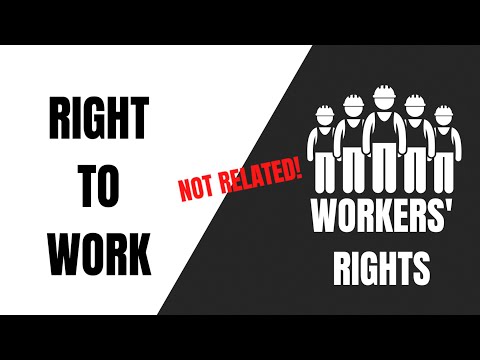
You know that feeling when you’re chatting with a friend about your job, and suddenly the topic drifts to all those workplace hassles? Like, “Did you hear about Mark? He almost got fired for taking an extra five minutes on his lunch break!” It’s wild, right?
Well, that’s just the tip of the iceberg when it comes to workers’ rights in the UK. Seriously, so many people don’t even realize they’ve got rights that protect them. Unions are a big part of that—like your own personal cheerleaders fighting for fairness.
The information on this site is provided for general informational and educational purposes only. It does not constitute legal advice and does not create a solicitor-client or barrister-client relationship. For specific legal guidance, you should consult with a qualified solicitor or barrister, or refer to official sources such as the UK Ministry of Justice. Use of this content is at your own risk. This website and its authors assume no responsibility or liability for any loss, damage, or consequences arising from the use or interpretation of the information provided, to the fullest extent permitted under UK law.
Imagine having someone in your corner who can help you navigate tricky situations with your boss or workplace issues. Sounds pretty great, doesn’t it? So let’s dive into what union employee rights are all about and why they matter to you!
Understanding the Legality of Union Busting in the UK: Key Insights and Implications
Understanding the legality of union busting in the UK is important because it touches on your rights as an employee and the protection unions provide. So, what’s union busting all about? Simply put, it refers to actions taken by employers to undermine or prevent the formation of trade unions. It’s a real concern for many workers, and knowing your rights can make a difference.
Firstly, let’s break it down. In the UK, workers have the right to join unions under trade union law. You have legal protections that safeguard your right to be part of a group that represents your interests, like negotiating pay or working conditions. That’s where things get tricky with union busting.
When an employer engages in union busting activities, they might do things like:
- Intimidation: This could be threats or harassment aimed at employees who want to join a union.
- Discrimination: Sometimes employers might treat you differently if they know you’re involved with a union.
- Unfair dismissal: If someone gets fired for their union activities, that’s considered illegal under UK law.
Let me share a little story here. There was this guy named Tom who worked in a warehouse. He wanted to team up with his colleagues to form a union for better wages. His boss caught wind of it and suddenly started giving Tom awful shifts and made snide comments about his efforts. Tom felt completely alone until he realised that those actions were illegal under the Trade Union and Labour Relations (Consolidation) Act 1992. He stood up for himself and got support from his fellow workers.
Now, aside from worker rights, employers are also bound by certain rules. They can’t just run wild when it comes to trying to stop unions from forming or existing ones from growing stronger. The law allows employees to take action if their rights are being infringed upon.
You can actually report unfair practices through organisations like the Advisory, Conciliation and Arbitration Service (ACAS). They offer services that help resolve disputes between you and your employer regarding union activities. Just remember: if you feel something’s off or unfair at work regarding unions, you’re not powerless!
In practical terms, if you’re considering joining a union or you’ve already taken that step but feel pressured by your employer not to—don’t ignore it! It’s worth speaking up about these issues. Document any incidents; keep records of conversations or emails that show what’s happening.
So yeah, understanding this whole thing helps empower you as an employee in the UK landscape. And even though navigating workplace dynamics can seem daunting at times—and believe me, I get that—you have laws protecting your right to stand together in solidarity with other workers for better conditions!
Understanding Union Membership Duration: How Long Before Representation Begins?
Understanding union membership and how long it takes before you can expect representation is really important if you’re thinking about joining one. Basically, you want to know what benefits you’re getting and when, right? So, let’s break this down a bit.
When you become a member of a union in the UK, there’s usually a waiting period before you can get full representation. This can vary depending on the union’s specific rules. Generally speaking, many unions might have a probationary period that lasts around **three months**. During this time, while you’re technically a member, your eligibility for certain supports like legal advice or representation might be limited.
Now, why do unions have these waiting periods? Well, it gives them time to process your membership and also helps ensure that new members actually want to stick around. You know how sometimes people join because they’re in the heat of the moment? This period helps both sides figure out if it’s a good fit.
To give you an idea about what happens during this time:
- You’ll receive training about your rights and responsibilities as an employee.
- Access to resources is usually available but may not include full legal representation.
- After the probationary period, support becomes more robust; that’s when you can fully rely on your union for help with disputes or grievances.
Let’s say you join a union on January 1st. If their standard waiting period is three months, then from January through March, you’re getting acquainted with everything the union has to offer but might not have access to full support just yet. Come April 1st? That’s when they’ve got your back if any issues arise at work.
It’s worth mentioning too that some unions might offer immediate access to certain benefits right after joining—like training workshops or networking opportunities—but formal representation often comes after that set waiting period.
So what’s the takeaway here? If you’re thinking about joining a union in the UK, just make sure you understand their specific rules regarding membership duration and representation. Always check their guidelines or chat with someone directly—they’re there to help! That way, you’ll know exactly what kind of support to expect and when you’ll start receiving it.
You know how sometimes signing up for something feels like diving into deep water? It helps to know what’s below before taking that plunge!
Understanding Trade Union Rights: Key Protections and Advocacy for Workers
Trade unions play a critical role in the workplace, and understanding your rights can make a real difference. When you join a union, you gain access to key protections and advocacy that help ensure fair treatment at work. Let’s break down what this means for you as a worker.
First off, trade unions are all about **collective bargaining**. Basically, this means that instead of each person negotiating their pay or working conditions alone, the union negotiates on behalf of all its members. This can lead to better wages and benefits because there’s strength in numbers! Imagine walking into a meeting with your boss knowing there’s an entire group behind you advocating for fair pay. Feels good, right?
- Membership Protection: Trade union members generally enjoy protection against unfair treatment. You can’t be fired or treated differently just because you’re in a union.
- Legal Support: If things get tough at work—like if you face discrimination or unfair dismissal—your union is there to help. They can provide legal advice and represent you during disputes.
- Health and Safety Advocacy: Unions push for safe working conditions. If your workplace isn’t safe, they’re there to advocate for what needs fixing.
- Training and Development: Many unions offer training programs to help workers develop new skills or advance in their careers. It’s like having your own personal coach!
The thing is, it’s not just about perks; it’s also about rights under UK law. The Trade Union and Labour Relations (Consolidation) Act 1992, for example, sets out important rights for trade unions and their members.
You have the right to join a union without fear of losing your job, which is super important if you’re looking for solidarity at work.
There was this one time when Jill worked at a local bakery. She felt her pay didn’t reflect her hard work compared to her colleagues who were doing less demanding jobs. After joining her trade union, she found she wasn’t alone; many others felt the same way! Together they approached management through the union, leading to a pay raise that recognized everyone’s effort.
This really showed how powerful being part of a union can be!
You also have the right not to join a trade union if that’s what you choose—but keep in mind that not being part of one can sometimes leave you feeling more isolated when it comes to negotiations.
Your colleagues might be banding together while you’re going solo!
If you’re thinking about joining or are curious about your rights as a member, speaking with someone from your local trade union branch can clear things up pretty quickly! They’re usually more than happy to help explain everything—and remember: knowing your rights means standing up for yourself effectively!
Ultimately, knowing your trade union rights gives you confidence at work—it empowers you! So whether it’s fighting for better wages or ensuring safe working environments, being part of a trade union means having someone on your side every step of the way.
When you think about working in a union, it often brings to mind images of solidarity and collective bargaining, right? But there’s so much more to it. Union employee rights and legal protections in the UK form a safety net that many workers can rely on.
Imagine Sarah, a single mum working long shifts in a factory. She’s been struggling with her employer over unsafe working conditions. With the support of her union, she was able to raise her concerns without fear of retaliation. That’s where unions really shine—they provide a voice and bolster your rights at work.
In the UK, unions are recognized by law. They help ensure that you have fair treatment regarding wages, hours, and workplace safety. So if you’re part of a union or thinking about joining one, know that you’ve got legal backing that can shield you from unfair practices.
One key piece of legislation is the Trade Union and Labour Relations (Consolidation) Act 1992, which lays out many rights related to union membership. For instance, you can’t be dismissed simply for being part of a union or for trying to improve your work conditions. That’s huge! It gives workers like Sarah the confidence to speak up.
And then there are collective agreements. These are basically contracts between employers and unions that cover pay rates and working conditions. If your union negotiates an agreement on your behalf, it helps keep things fair.
Of course, no system is perfect. There are still challenges folks face at work—like intimidation or misinformation about what their rights really are—and that’s why it’s so important to have supportive colleagues and clear communication with union representatives.
So when you see people standing together with placards or rallying for their rights, understand they’re not just making noise; they’re standing up for something crucial! They’re ensuring everyone has access to better pay, safer workplaces, and respect in their jobs.
In short, knowing your rights as a union employee in the UK not only empowers you but also strengthens the whole workforce community. Whether you’re directly involved in a union or just benefiting from its influence around you, this system plays a vital role in shaping fairer workplaces across the nation. You follow me? It’s all about standing together for what’s right—you really can make an impact!


