
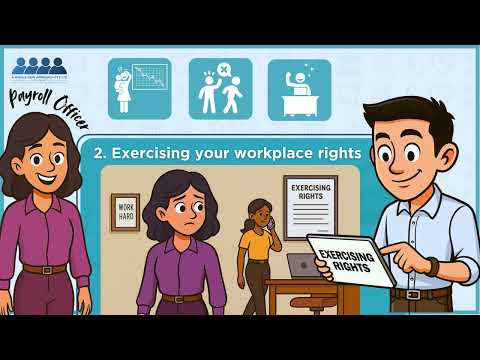
Imagine this: You’ve landed your dream job, all excited and ready to take on the world. Then, a month later, bam! You get a call saying, “We’re letting you go.” Ouch.
That’s what happens to some people during their probation period. You’d think it’d be straightforward, right? But unfair dismissal can sneak up on you like a bad haircut. Seriously.
The information on this site is provided for general informational and educational purposes only. It does not constitute legal advice and does not create a solicitor-client or barrister-client relationship. For specific legal guidance, you should consult with a qualified solicitor or barrister, or refer to official sources such as the UK Ministry of Justice. Use of this content is at your own risk. This website and its authors assume no responsibility or liability for any loss, damage, or consequences arising from the use or interpretation of the information provided, to the fullest extent permitted under UK law.
Probation periods are tricky waters to navigate. It’s that awkward phase where you’re still figuring out if you and your new employer vibe together. But what if they decide you’re not the right fit? Or worse – they do it for totally dodgy reasons?
So, let’s chat about unfair dismissal during probation in the UK. It’s not just about getting fired; it’s about knowing your rights and standing up for yourself when things feel off. Sound good?
Understanding Wrongful Dismissal During Probationary Periods: Rights and Protections
When you start a new job, the probationary period is often a bit nerve-wracking. You’re trying to impress your bosses, make friends with coworkers, and learn the ropes all at once. Sadly though, sometimes things don’t work out as planned. So, if you’re suddenly let go during this time, it can feel pretty unfair. This is where understanding **wrongful dismissal** during your probation becomes critical.
First off, it’s important to know what “wrongful dismissal” actually means. Basically, it refers to being fired without a fair reason or without following the proper procedures set out in your employment contract. Now, when you’re on probation, you might think that you’re a bit less protected because you haven’t been there long enough—like four weeks or maybe three months—but that’s not always true.
In the UK, the legal protection against **unfair dismissal** kicks in after you’ve worked for your employer for two years. However, if you are dismissed during your probationary period—and it feels unjust—you still have rights worth knowing about. Here are some key points to keep in mind:
Now picture this: Sarah starts working at a tech startup and is really excited about her role. She’s been putting in loads of extra hours and trying hard to learn everything she can. But then suddenly she’s called into an office and told she’s being let go because “she isn’t a good fit.” If Sarah suspects this was just because her boss didn’t like her style—even if she followed all orders—it might smell fishy.
So what can she do? Well! Here are some actions to consider:
While it’s tough navigating these waters—especially since many people think less of disputes during their early days at a job—knowing your rights can empower you big time. But remember: unless there’s clear evidence of wrongful dismissal factors laid out earlier, challenging a termination during probation can be tricky.
It’s all about being informed and standing up for yourself when you think something isn’t right! So yeah… don’t hesitate to explore those options and ensure you’re treated fairly at work!
Understanding Termination During Probation Period in the UK: Rights and Guidelines
The probation period can feel like a whirlwind, right? It’s that awkward phase where you’re trying to prove yourself while still figuring out the ins and outs of your new workplace. In the UK, these periods typically last anywhere from one to six months. But, what if things don’t go as planned? What if you find yourself facing termination? Let’s break it down.
First off, it’s important to know that even during a probation period, you have rights. Employers can terminate your contract during this time, but they generally need to follow some basic guidelines. Basically, just because it’s probation doesn’t mean they can let you go without reason or notice. They should give you clear feedback on your performance.
Key points about termination during probation:
- Contractual Obligation: Your employment contract will usually specify the terms of termination, including notice periods. Be sure to check this.
- Notice Period: Employers are often expected to provide a notice period—even during probation—which is usually shorter than in standard contracts. This could be anything from a few days to a week.
- Reason for Termination: You should ideally receive constructive feedback if you’re being let go due to performance issues.
- Unfair Dismissal Rights: If you’ve been employed for less than two years, claiming unfair dismissal might be tricky. However, exceptions exist if discrimination or another unlawful reason is involved.
- Right to Appeal: Some employers offer an appeal process when terminating someone—this could be in your favour!
If you think about it, losing a job—especially early on—can really throw you off balance. Picture this: Sarah started her dream job but struggled with her tasks early on. She was let go after just three months without much explanation. It felt unfair! But had she known her rights and what her contract stipulated, she might have been able to challenge the decision better.
If you feel like you’ve been wrongly dismissed during your probation period, it could be worth reaching out for some support or advice from an employment lawyer or a union representative. They can help clarify your position and whether there’s ground for any claims or appeals.
You know how life is unpredictable sometimes? Just remember—while the employer has rights too, so do you! Understanding these guidelines is crucial for navigating your way through employment challenges in the UK.
Effective Communication Strategies for Terminating an Employee During Their Probation Period
Navigating the tricky waters of terminating an employee during their probation period can be a bit daunting. You want to make sure you’re respectful and clear, but you also need to protect your rights as an employer. So, let’s break it down a bit.
First off, it’s super important to have a clear idea of why you’re considering termination. Before you even think about having that conversation, ask yourself: “Have I given enough feedback? Was the employee made aware of the performance issues?”. Regular feedback throughout the probation period is crucial. If you’ve noticed any issues, it’s good practice to address them directly with the employee before moving towards termination.
When it comes time for the discussion, picking the right time and place matters. You don’t want to have this chat in a crowded office or just before a holiday party! Choose a private setting where you both can speak openly. And hey, keep it professional yet compassionate. This isn’t just about business; there’s a person on the other side.
Here are some points you might consider mentioning during your meeting:
- Reason for Termination: Be clear about why you’re making this decision.
- Feedback Provided: Remind them of any past conversations regarding their performance.
- Documentation: Show any records or notes that support your decision.
- Company Policies: Mention relevant policies if applicable.
Let’s chat about how to actually say it. Start with something like, “I appreciate your efforts during this probation period, but unfortunately…” This way, you acknowledge what they’ve tried to do without being overly harsh.
A little example here: Imagine you’ve got an employee named Sarah who has struggled with meeting deadlines consistently. During her probation review meetings, you’ve pointed out these issues multiple times and offered assistance on time management. So when it comes time for her termination talk, reminding her of those interactions can help put everything in context.
And don’t forget about paperwork! After your conversation, make sure everything is documented—what was said during the meeting and the reasons for termination. This is vital if they ever claim unfair dismissal down the line. Keeping records protects both parties and creates a trail that shows fairness in your decision-making process.
You might wonder whether an employee on probation has rights regarding unfair dismissal claims in the UK. Well, technically speaking, they do—but only after two years of continuous employment usually applies to unfair dismissal claims. This means if someone hasn’t been with you that long yet—and if things are handled well—you’re generally safer from such claims.
Also, just remember that communication doesn’t end after termination! Offer support where you can—like help with references or job search advice if appropriate—because it reflects well on your company’s values.
All said and done,, terminating someone isn’t easy for anyone involved. But approaching it thoughtfully and directly can help ease some tension while ensuring fairness is maintained throughout the process—you follow me?
Imagine this: You land a job that you’ve been dreaming about. You’re excited and ready to impress. But then, a few weeks in, you get called into the manager’s office and told you’re being let go. You were on probation, so it feels like you have no rights. But is that really the case?
Navigating unfair dismissal during probation in the UK can be tricky. The truth is, just because you’re in that initial stage doesn’t mean your employer can do whatever they want without consequences. There’s still a safety net, though it can sometimes feel pretty thin.
Let’s break this down a bit. When you’re on probation—usually up to six months—employers often feel they can evaluate your fit for the role without all the usual hoops of permanent employment. In theory, this should work out well for both sides. They get to see if you’re a good match, and you get to show off your skills.
But here’s where things can go wrong. Some employers might think they can dismiss someone during probation without justification or notice just because they can—right? That’s not exactly fair! It could be due to prejudice or even discrimination—the kind of stuff that really gets under your skin.
Here’s the good news: if you believe you’ve been unfairly dismissed, even while on probation, there are avenues to explore. For example, if your dismissal was based on something discriminatory—say your age or gender—you could have a case for an employment tribunal.
Picture yourself in this situation: someone who believed they were performing well but were let go without clear reasons. It’s frustrating and confusing! In such cases, gathering evidence is key—like emails or messages that show your contributions or any feedback you received from management.
So yeah, finding yourself dismissed during probation isn’t the end of the world—even though it feels pretty bleak at first glance. Understanding your rights can empower you to take action if things don’t sit right with you.
Remember always to seek advice from trusted sources or legal help if needed because navigating these waters alone can be daunting and shouldn’t be undertaken lightly!


