
Ever tried to read the United States Code? It’s like trying to make sense of a really confusing IKEA assembly manual, but instead of furniture parts, it’s packed with laws and regulations. You might be scratching your head, wondering how this giant book of rules affects you over in the UK.
Picture this: you’re having a pint with a mate, and he casually mentions how a tiny clause in American law just changed the game for businesses worldwide. Seriously! It can feel like you’re lost on another planet when it comes to U.S. law if you’re in the UK.
The information on this site is provided for general informational and educational purposes only. It does not constitute legal advice and does not create a solicitor-client or barrister-client relationship. For specific legal guidance, you should consult with a qualified solicitor or barrister, or refer to official sources such as the UK Ministry of Justice. Use of this content is at your own risk. This website and its authors assume no responsibility or liability for any loss, damage, or consequences arising from the use or interpretation of the information provided, to the fullest extent permitted under UK law.
But don’t sweat it—navigating the U.S. Code doesn’t have to be a nightmare. I’m here to break it down into bite-sized pieces for you. Whether you’re curious about trade laws or just want to understand what your friend at that pub was rambling on about, let’s dive into this together!
Eligibility of American JD Holders to Practice Law in the UK: A Comprehensive Guide
Eligibility of American JD Holders to Practice Law in the UK
Navigating the legal waters of practicing law in another country can be a bit tricky, especially when you’re coming from the States with a Juris Doctor (JD) degree. So let’s break down what you need to know if you’re an American JD holder looking to practice law in the UK.
The first thing to realize is that the UK and the US have different legal systems. In the US, your JD is your ticket to practice, but in the UK, it’s not as straightforward. You can’t just waltz into a law firm with your American degree and assume you’re good to go.
So, what does it take? Here are some key points to keep in mind:
- Recognized Qualifications: Your JD must be recognized in the UK. While it might sound like a hassle, many US law degrees are accepted, especially if they come from accredited institutions.
- Solicitor or Barrister: Decide whether you want to become a solicitor or barrister. Solicitors handle client interactions and paperwork, while barristers mostly focus on courtroom advocacy. The route you take will determine the steps ahead.
- The Qualified Lawyers Transfer Scheme (QLTS): This scheme is designed for lawyers trained outside England and Wales. If you want to qualify as a solicitor, passing this assessment is typically required.
- Bar Transfer Test: If you’re leaning towards becoming a barrister, you’ll have to take this test, which demonstrates your legal knowledge and skills.
- Sponsorship Requirements: Depending on where you aim to work, some firms might want you as an employee first before guiding you through these qualifications.
Now, let’s look at an example: imagine you’ve got your JD from Harvard. That’s impressive! But once you’re here in London wanting to join a top firm, they’ll likely expect you to engage with the QLTS process. It might feel like starting over a bit—think of it like trying out for a team sport after playing casually for years.
You also need to keep an eye out for continuing professional development (CPD). Maintaining your qualifications isn’t just about passing exams; it’s also about staying updated with changes in laws and practices—something that’s super important no matter where you’re practicing.
Another consideration? Your visa status. Make sure you’ve got everything sorted with immigration because practicing law often requires specific permits or visas depending on your nationality and residency status.
In summary, while having an American JD can definitely open doors for you in the UK legal field, it doesn’t automatically grant admission. It’s all about navigating through various assessments and possibly gaining local experience first.
So yeah! If you’re thinking about making that leap across the pond, prepare yourself for some extra steps—but it can definitely be done! Just keep those key points in mind as you embark on this exciting journey into international law practice!
Understanding the Reach of US Law in the UK: Key Insights and Implications
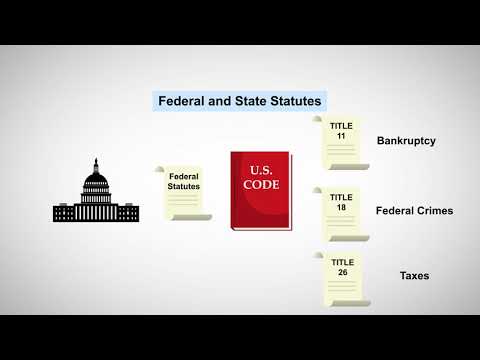
Understanding the reach of US law in the UK can be pretty tricky. It’s like trying to navigate a huge, winding maze. The United States has a vast legal framework known as the US Code, which includes federal laws organized into titles. Now, you might wonder, “How does this affect me here in the UK?” Well, let’s break it down.
Jurisdiction Matters
First off, let’s talk about jurisdiction. Basically, jurisdiction is where laws apply. US laws primarily apply within the borders of the United States. However, they can spill over into the UK in certain situations.
- Extraterritorial Reach: Some US laws have extraterritorial effect. This means they can apply beyond American soil. A classic example is anti-corruption laws like the Foreign Corrupt Practices Act (FCPA). If a UK company has dealings with American firms or citizens, they might fall under this law.
- Trade and Commerce: If you’re doing business internationally and engaging with US companies, you need to be aware of their regulations. For instance, export controls and sanctions imposed by the US government could impact your operations in the UK.
The Influence of International Treaties
Let’s not forget international treaties! The UK and US often collaborate on legal matters due to treaties covering various areas like trade and defense. These agreements can have significant implications for how both countries’ laws interact.
It’s kind of like being part of a team; if one player makes a move, it affects everyone else on that field.
The Role of Local Courts
Now, even though US law doesn’t directly apply in UK courts, there are times when local courts may refer to it for context or guidance. This usually happens in cases involving international law or disputes where understanding US statutes could provide clarity.
For example, if a case involves intellectual property rights that cross borders between the two nations, judges might look at how similar issues were handled under US law.
Legal Practitioners and Compliance
If you’re a legal practitioner based in the UK dealing with transatlantic matters, compliance becomes super important. Failing to understand how certain aspects of US law might affect your clients could lead to serious consequences.
- Advising Clients: You’ll need to guide clients through any regulatory hurdles they face when working with American entities.
- Keen Eye on Updates: Keeping up with changes in both jurisdictions can be vital since updates often come fast — like changes to sanction lists or new legislation.
The Bottom Line
In short? While US law primarily operates within its own borders, its influence reaches far beyond them. This creates unique challenges and opportunities for anyone practicing law in the UK who deals with American interests.
Navigating these waters requires diligence and flexibility because no two situations will look exactly alike! You really have to stay informed and ready for anything that comes your way as you work through this intertwining legal landscape.
Understanding the Path for British Lawyers to Practice Law in the USA
Becoming a lawyer in the USA when you’ve trained in the UK is a bit of a journey. It’s like crossing over to another world, with different rules and requirements. Here’s what you need to understand about this path.
First off, education is key. In most states, you’ll need to have a law degree from an accredited institution. So, if you have your LLB from the UK, that’s a great start! But don’t forget: some states might ask for additional qualifications or even specific credits that are recognized in the US legal system.
Next up is taking the bar exam. This is like a rite of passage for all lawyers in the US. Each state has its own bar exam, and they can be quite intense! It typically covers various areas of law that might not even be familiar to you as a UK trained lawyer. The thing is, passing this exam means you’re officially allowed to practice law in that state.
You’ll also need to think about character and fitness. This part might feel a bit personal because it involves an assessment of your background and moral character. They’ll check things like your work history and any past issues with the law. It sounds daunting, but it’s really just about ensuring that lawyers are trustworthy.
Then there’s licensing requirements. Once you’ve passed your bar exam and cleared the character check, it doesn’t end there! You have to apply for admission to practice law before you can hang out your shingle (that’s lawyer slang for starting your own practice). This could include further interviews or paperwork depending on the state.
Let’s not forget about continuing legal education (CLE). Even once you’re practicing, you’ll likely need to take additional courses regularly to keep up with changes in laws or ethics rules specific to your area of practice. So it’s kinda like school never fully ends!
Oh! And here’s something worth noting: some states offer alternative pathways for foreign-trained lawyers, often called “foreign attorney status.” This could make things easier if you don’t want to go through all those hoops again or if you’re only looking for limited practice rights.
So yeah, while navigating these requirements can feel overwhelming at times, many British lawyers do successfully make this transition every year. It’s just about understanding each step along the way. If you’ve got determination and patience—you’re well on your way!
Navigating the United States Code can seem a bit like trying to find your way through a maze, especially for legal practitioners in the UK. You might be thinking, “Why would I even bother with American law?” Well, here’s the thing: the world is more interconnected than ever. You never know when you’ll bump into a situation involving U.S. laws, whether it’s a client with international interests or an organization operating across the pond.
Picture this: you’re chatting with a mate over coffee, and they mention they’re thinking about launching their product in America. Suddenly, you’re delving into trademarks and contracts that involve U.S. jurisdictions. It’s like being handed a puzzle piece that doesn’t quite fit anywhere in your UK knowledge. So how do you start piecing everything together?
The United States Code itself is massive—over 50 titles covering everything from agriculture to transportation! Each title breaks down specific laws and regulations, which can feel overwhelming at first glance. You could easily get lost in the legal jargon and vast terminology if you’re not careful. And let’s be honest; some of that language can sound like it was written in a different universe.
For those used to UK statutes, there’s definitely some adjustment needed when looking at U.S. law structures and terminologies. The principles may align sometimes, yet other times they can differ significantly—like comparing apples to oranges! The key lies in understanding how to draw parallels without getting too bogged down by differences.
And here’s where research skills become your best friend! Familiarizing yourself with online databases or resources that specifically cover U.S. law can be incredibly helpful, as well as reaching out to colleagues who have tackled similar issues before. Sometimes just having someone share their experience makes navigating all that legal mumbo jumbo feel less daunting.
So yes, while you may not need to master every single aspect of the United States Code as a UK practitioner, being aware of its existence and having basic navigation skills could save you—and your clients—a lot of headaches down the line! After all, staying informed gives you an edge in this increasingly globalized world we live in today.


