
So, let me tell you about the time my mate moved into a new flat. He was super excited, right? But when he got his tenancy agreement, he realized it was like reading ancient hieroglyphics. I mean, who writes these things?
Look, if you’re renting a place in the UK, you absolutely need to get your tenancy agreement sorted. It’s your safety net. No one wants to be caught in a sticky situation without it—awkward conversations with landlords can get messy.
The information on this site is provided for general informational and educational purposes only. It does not constitute legal advice and does not create a solicitor-client or barrister-client relationship. For specific legal guidance, you should consult with a qualified solicitor or barrister, or refer to official sources such as the UK Ministry of Justice. Use of this content is at your own risk. This website and its authors assume no responsibility or liability for any loss, damage, or consequences arising from the use or interpretation of the information provided, to the fullest extent permitted under UK law.
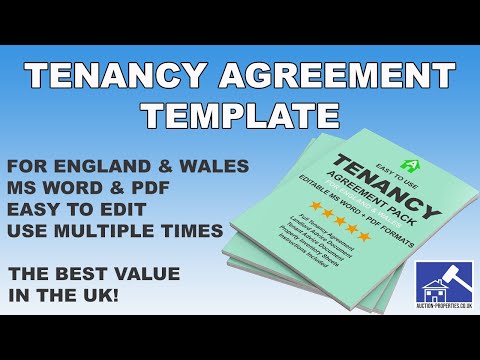
In fact, having the right tenancy agreement isn’t just smart; it’s kind of essential. It keeps everyone clear on what’s what and helps you avoid misunderstandings down the road. And guess what? You can actually download a template that ticks all the legal boxes! So let’s make this easy for you because honestly? You deserve that peace of mind while you’re living your best life in your new home.
Guidelines for Writing Your Own Tenancy Agreement in the UK: Key Considerations and Best Practices
Writing your own tenancy agreement can feel a bit intimidating, but it doesn’t have to be. If you’re a landlord or even a tenant looking to create one, there are some guidelines and best practices you’ll want to keep in mind. Let’s break this down together.
First off, it’s important to understand what a tenancy agreement actually is. Basically, it’s a legal document between you (the landlord) and your tenant that sets out the terms of renting a property. Think of it as the rulebook for your rental arrangement.
Key Considerations for Your Tenancy Agreement:
- Names and Details: You need to include the names of both parties – that’s you and your tenant. Plus, make sure to mention the address of the property in question.
- Duration: Clearly state how long the tenancy will last. Is it a fixed term or rolling? For example, “April 1, 2023 – March 31, 2024” for a fixed term.
- Rent Amount: Be specific about how much rent is due and when it’s payable. Include details like whether it’s monthly or weekly; something like “£800 per month due on the 1st.”
- Deposit Information: You must mention if there’s a deposit and how much it is. Landlords usually take about four weeks’ rent as a deposit. Don’t forget to note what happens with this deposit at the end!
- Responsibilities: Outline who does what regarding maintenance, repairs, and cleaning. It helps avoid confusion later on.
- Notice Period: Indicate how much notice either party needs to give when ending the tenancy. A common one is one month notice.
- Pets and Smoking Policy: If you have rules about pets or smoking in the property, write them down! This way everyone’s clear from day one.
Now that you’ve got those basics covered, let’s get into some best practices.
Best Practices for Drafting Your Tenancy Agreement:
- Simplicity is Key: Keep it straightforward! Use plain language so there are no misunderstandings.
- Avoid Ambiguities: Write clearly so everything makes sense. Don’t leave anything open to interpretation; ambiguity can lead to disputes later on.
- Covers All Scenarios: Think ahead! What happens if someone doesn’t pay rent? Or if there’s damage? Anticipating these issues in advance can save headaches later!
- Edit Thoroughly: Once you draft it up, review everything carefully—better yet, have someone else check too! Typos can lead to major issues.
Lastly, make sure both parties sign and date the agreement once it’s finished—this step helps ensure everyone’s on the same page!
Writing your own tenancy agreement isn’t just about filling in blanks; it’s about creating an understanding between you and your tenant. With these guidelines in mind, you’ll be better prepared if any issues arise down the line.
To sum up: clear terms equal fewer disputes! Just remember that being thorough now can save loads of trouble later on—you follow me? Good luck with your tenancy agreement!
Essential Documents Landlords Must Provide to Tenants in the UK: A Comprehensive Guide
Sure, let’s talk about the essential documents landlords need to provide to tenants in the UK. It’s super important for both parties to understand their rights and responsibilities. So, here are the key documents you should watch out for.
1. Tenancy Agreement
This is basically the cornerstone of your rental relationship. It outlines the terms of your tenancy, like how much rent you pay, when it’s due, and any rules you need to follow. A good tenancy agreement should be clear and cover things like notice periods and what happens if either party wants to end the tenancy.
2. Energy Performance Certificate (EPC)
Landlords must provide an EPC to show how energy efficient a property is. This certificate rates the property from A (very efficient) to G (not efficient). You can ask for this document before you sign anything—it’s your right!
3. Gas Safety Certificate
If there are gas appliances in the property, your landlord needs to give you a valid Gas Safety Certificate. This certificate should be renewed every year and shows that all gas appliances are safe to use. Seriously, make sure they provide this because safety comes first!
4. How to Rent Guide
This guide is issued by the government and gives helpful tips about renting in England. It covers everything from deposits to your rights as a tenant and what happens if things go wrong.
5. Deposit Protection Information
If you put down a security deposit, your landlord must protect it in one of three government-approved schemes within 30 days of receiving it. You should get information about where your deposit is held within that time frame.
6. Inventory List
While not legally required, having an inventory list can really save everyone a lot of trouble later on. This document details the condition of each room and any furniture provided when you move in—super useful if there are disputes over damages when you leave!
Now let me share a little story—once I knew someone who moved into a flat without checking for these documents properly… only to find out later that there was no gas safety certificate! They ended up with some scary moments when they had issues with the boiler; it became a whole saga! So don’t skip this step.
In summary, getting these documents not only protects you but also helps maintain a healthy relationship with your landlord. If anything feels off or missing during this process, don’t hesitate to ask them about it! You have every right to know what’s going on with where you’re living—you follow me? Keep those essential documents handy!
Understanding the Most Common Tenancy Agreement in the UK: A Comprehensive Guide
Understanding your tenancy agreement is super important when you’re renting a place in the UK. The thing is, a tenancy agreement basically spells out the rules of your rental relationship. It’s like a contract that protects both you and your landlord, ensuring you know your rights and responsibilities.
So, what’s typically in a standard tenancy agreement? Well, here are some key points to watch out for:
- Type of Tenancy: Most commonly, you’ll come across an Assured Shorthold Tenancy (AST). This is what most private rentals use in England and Wales.
- Duration: It usually states how long you’re renting the place—like a six or twelve-month term. If you decide to stay after that, the tenancy might roll over into a periodic one. You follow me?
- Rent Amount: You’ll see how much rent you owe and when it’s due. Some people get confused about this part, but it should be crystal clear.
- Deposits: There’s also info on your security deposit—how much it is, where it’ll be held (like with a tenancy deposit scheme), and how you’ll get it back when you move out.
- Responsibilities: This section details what you’re expected to do as a tenant—like keeping the place clean and reporting maintenance issues.
Now let’s put this into perspective. Imagine you’ve just moved into your first flat. You’re all excited about decorating and settling down. But then, something goes wrong with the heating during winter! Your tenancy agreement will guide you on how to report that issue quickly so you aren’t left shivering under blankets for days on end.
Also, another common area of confusion lies in notice periods. If you’re thinking about moving out early or if your landlord wants you out, there are specific rules about how much notice needs to be given—usually it’s one month for monthly tenancies but check those details.
And don’t forget about maintenance responsibilities! Typically, landlords are responsible for major repairs—not things like changing light bulbs (which seems silly but true!). Knowing these little details can really save your skin later.
Lastly, I should mention unfair terms—if something doesn’t feel right or seems one-sided in that agreement, well, it could possibly be challenged under certain laws. Seriously!
It’s crucial to read through this document carefully before signing anything because once you’ve signed it; it carries legal weight! If there’s anything you’re unsure about—even if it feels silly—don’t hesitate to ask someone who knows their stuff.
So yeah, whether you’re renting for the first time or have been doing this for ages, having a solid grasp of your tenancy agreement helps ensure everything runs smoothly between you and your landlord!
So, let’s chat about tenancy agreements for a bit. You know, when you’re renting a place in the UK, having a solid tenancy agreement is pretty important. I mean, it’s like the rulebook of your living situation, right? It lays out what you can and can’t do, plus what your landlord’s responsibilities are.
I remember when I was moving into my first flat. I was all excited but honestly a bit clueless. My landlord handed me this agreement and I just skimmed through it. Big mistake! It wasn’t until later that I realized there were some things in there that didn’t quite sit right with me. If only I’d taken the time to understand it better.
Now, if you’re thinking about downloading a tenancy agreement template to make sure you’re compliant with UK law and all that jazz, it’s a smart move. But here’s the thing – just grabbing any random template off the internet isn’t always enough. You really ought to pay attention to specific details that relate to your situation and location.
Different areas might have different requirements or laws governing rentals, you know? And if you’re not careful, that could land you in hot water down the line. For example, does your template cover things like deposit protection schemes? Or what happens if there’s damage to the property? Those are crucial bits that can save both parties from headaches later on.
It’s also good practice to read through it with your landlord or even have a friend who’s savvy about these things take a look too. Having someone else’s perspective can help catch anything you might’ve missed.
In short, while downloading a tenancy agreement template is definitely helpful for compliance, make sure you’re fully understanding what’s in there. It’ll save you from potential disputes and keep everything running smoothly—like having clear communication with your flatmate about shared chores! Think of it as laying down good roots for your rental journey ahead.


