
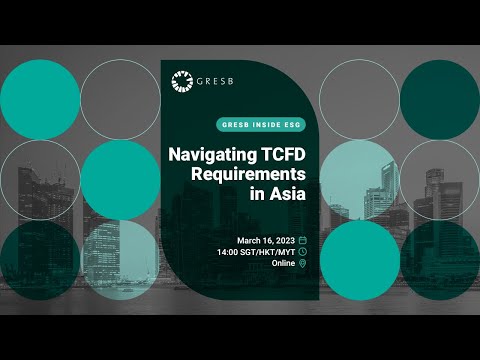
You know that feeling when you’re scrolling through your phone, and suddenly a term pops up that makes you think, “What on Earth is that?” Yeah, I had that moment recently with TCFD.
So, imagine this: you’re at a party, and someone casually drops “Task Force on Climate-related Financial Disclosures” into the conversation. Everyone’s nodding along like they totally get it, but inside, you’re like, “Wait, what?”
The information on this site is provided for general informational and educational purposes only. It does not constitute legal advice and does not create a solicitor-client or barrister-client relationship. For specific legal guidance, you should consult with a qualified solicitor or barrister, or refer to official sources such as the UK Ministry of Justice. Use of this content is at your own risk. This website and its authors assume no responsibility or liability for any loss, damage, or consequences arising from the use or interpretation of the information provided, to the fullest extent permitted under UK law.
Well, if you’ve ever felt that way about TCFD regulations in the UK legal scene, you’re definitely not alone! It’s like trying to find your way through a maze blindfolded. But hey, it doesn’t have to be so daunting.
Let’s cut through the jargon and make sense of what all this means for you and your practice. Grab a cup of tea or coffee—I’ve got your back!
Understanding TCFD Regulations: A Guide for UK Legal Practice
Understanding TCFD Regulations can feel a bit overwhelming at first, but let’s break it down together. The Task Force on Climate-related Financial Disclosures (TCFD) was established to improve the transparency around climate-related risks and opportunities. Basically, it encourages companies to disclose relevant information that investors need to make informed decisions regarding sustainability. You follow me?
In the UK, TCFD regulations are becoming increasingly important. In 2021, the UK government announced that all large companies must start disclosing their climate-related risks in line with TCFD recommendations. This means businesses are now more accountable for their environmental impact.
So, what does this mean for legal practice? Well, you might find yourself advising clients on how to comply with these regulations. Here’s what you need to know:
- Disclosure Requirements: Companies are required to report on governance, strategy, risk management, and metrics related to climate change. It’s about painting a full picture of how climate change could affect their business.
- Governance: Legal practices need to review how businesses’ boards oversee climate-related issues. For instance, is there someone responsible for these matters? You really want to ensure they’ve got the right person in charge.
- Risk Management: This involves assessing how well a business identifies and manages risks tied to climate change. It’s not just about ticking boxes; clients should have actionable insights.
- Metrics & Targets: Clients should be setting measurable targets related to sustainability and reporting on them consistently. It makes sense; if they aren’t tracking progress, how can they claim to be green?
Now here’s something interesting: if a company fails to comply with these regulations, they could face significant penalties or damage their reputation in an increasingly eco-conscious market! Nobody wants that.
Having open conversations about climate strategy in board meetings is essential too. Clients may need support with integrating sustainability into their core business strategy rather than seeing it as an add-on.
But don’t forget—the TCFD isn’t just a compliance exercise; it’s also about seizing opportunities! Like creating new products or services tailored towards sustainable practices can often lead to a competitive edge.
And here’s where legal practitioners come in—helping clients navigate this landscape effectively will not only protect them from potential pitfalls but also position them for success as society shifts toward greener ideals.
Ultimately, understanding TCFD Regulations involves keeping an eye on both responsibility and opportunity—it’s about being proactive rather than reactive in today’s ever-evolving regulatory environment. So when you’re guiding your clients through this maze of regulations, remember: it’s not just legal work; it’s playing your part in helping shape a more sustainable future!
Understanding TCFD Mandates in the UK: Compliance Strategies for Businesses
The Taskforce on Climate-related Financial Disclosures, or TCFD, is a big deal in the UK right now. If you’re running a business, understanding the TCFD mandates is crucial. So, what’s the deal with these regulations?
First off, the TCFD was set up to help businesses disclose climate-related risks and opportunities. Basically, they want companies to be more transparent about their climate impact. This isn’t just for show; it’s about encouraging better practices and helping investors make informed decisions.
Now, if we zoom in on compliance strategies for businesses, there are a few things you should consider:
1. Understand Your Reporting Requirements: Not every business has the same obligations. Large companies and those listed on the stock exchange must comply fully with these guidelines. It’s important to know where you stand.
2. Assess Your Risks and Opportunities: Take a good look at how climate change affects your operations. Are there risks to your supply chain? Can you take advantage of new green technologies? Doing this analysis helps build a solid foundation for your disclosures.
3. Align with Existing Frameworks: You’ll find that aligning with frameworks like the Global Reporting Initiative (GRI) or Sustainability Accounting Standards Board (SASB) can streamline your process. This way, you aren’t reinventing the wheel.
4. Set Clear Goals: You don’t just want to report; you want to show progress too! Setting measurable targets related to emissions reduction or sustainability can really demonstrate commitment.
5. Engage Stakeholders: It’s smart to involve various stakeholders early on—think employees, customers, and suppliers. Their input can provide valuable insights and help with transparency.
And let’s not forget about documentation! Keeping track of everything can feel overwhelming at times, but it’s super important for making that reporting process smooth as butter come audit time.
Speaking of audits, prepare for external reviews too! The idea is not just to tick boxes but actually make meaningful changes based on what you’re learning through this process.
Also remember: Compliance isn’t just a checklist; it’s an ongoing journey toward sustainability—so keep revisiting your strategies regularly!
If you’ve ever found yourself wondering how all this applies practically in real life—say after watching a documentary about rising sea levels—you’re not alone! Many businesses are realizing that taking action now can not only help our planet but also enhance their reputation and engage customers better.
So there you have it—understanding TCFD mandates isn’t as daunting as it seems once you break things down step by step! Keep an eye out for updates because these regulations are evolving as our understanding of climate change does too.
Understanding the Mandate: Is TNFD Required for Businesses?
Alright, let’s talk about mandates and the TNFD. You probably know that businesses are being pushed to be more sustainable, right? Well, if you’re running a company in the UK, there’s this conversation happening around the Taskforce on Nature-related Financial Disclosures (TNFD). It’s like the TCFD (Taskforce on Climate-related Financial Disclosures) but focused on nature — biodiversity and ecosystems, you know?
The TNFD is all about helping businesses understand their impacts and dependencies on nature. But is it required for you? That’s where it gets a bit tricky.
Right now, compliance with TNFD isn’t legally mandatory. But there are some things to consider:
- Current Regulations: While the TNFD itself isn’t a requirement yet, regulations related to environmental disclosure are evolving quickly. The UK government is really pushing for transparency in how companies manage risks tied to nature.
- Investor Pressure: Even if it’s not legally required now, investors are looking more at companies’ sustainability practices. If your business doesn’t align with these growing expectations, you could lose funding or investment opportunities.
- Moral Responsibility: Beyond legalities and profits, there’s this rising awareness of our duty to protect the environment. Companies that grasp this will likely thrive as consumers lean more towards eco-friendly brands.
A while back, I heard from a friend who owns a small business. She was hesitant about adopting any new reporting framework because of costs and complexity. But after seeing how customers responded positively when she shared her sustainability efforts online—let’s just say her business took off! People want to support brands that care.
The whole point of TNFD is to promote better understanding of how your company relates to natural assets. Even if it feels daunting now, being proactive can give you an edge in your market later on.
If you’re still confused about what implementing the TNFD could mean for your operations or reporting practices down the line, chatting with someone who knows their stuff might help clear things up. Just keep in mind: while it’s not law just yet, staying ahead of regulations can only do good for you and your business.
In short: no TNFD isn’t required… yet! But paying attention to it could save you some hassle later on and position your business as a leader in sustainability.
The Task Force on Climate-related Financial Disclosures, or TCFD for short, has been a hot topic in legal circles in the UK lately. You might be wondering why that is. Well, climate change is no longer just a buzzword; it’s a pressing issue that affects everyone, including businesses and their bottom lines.
For legal practitioners, navigating TCFD regulations means keeping up with how companies report climate-related risks and opportunities. It’s like trying to read the fine print on a really long contract while also keeping an eye on the ever-changing landscape of climate science—pretty tricky!
I remember chatting with a buddy who runs a small consultancy. He mentioned how hard it is for businesses to understand what’s being asked of them under these new guidelines. It’s not just about compliance; it’s about genuinely incorporating sustainability into their operations and strategies. That’s where legal experts come in, guiding companies through the complex maze of regulations.
But here’s the thing: it goes beyond just ticking boxes for reports. Companies genuinely need to consider how their operations impact the environment, which can sometimes lead to some tough conversations among stakeholders. The balance between profit and responsibility can feel like walking a tightrope… one wrong step, and it could all come crashing down.
You see, TCFD isn’t just another regulation that businesses have to follow; it’s part of this larger shift towards a more sustainable economy. It encourages businesses to think long-term about how they operate within our changing climate. That said, as more firms begin to embrace these regulations, there’ll likely be some growing pains along the way—lots of questions about what exactly needs reporting and how best to do it.
For you as a business owner or stakeholder? Understanding these implications can help make your company not just compliant but also competitive in this evolving marketplace. And if you’re working with legal professionals? They’ll be crucial allies in helping you navigate through these new waters.
In the end, adapting to TCFD regulations isn’t just about legislation—it’s an opportunity for genuine change and growth in the face of climate challenges we all share today. And while it may seem daunting now, approaching it with an open mind can lead to meaningful progress down the line!


