
You know that feeling when you open your bank account and see a little surprise waiting for you? Like, “Hey, that’s more than I expected!” Well, if you’ve ever received a P800 tax rebate, you probably felt something similar.
It’s one of those things that can make your day. But navigating the P800 process can be… let’s say, a bit of a maze. Seriously. It can feel like trying to assemble IKEA furniture without the instructions.
The information on this site is provided for general informational and educational purposes only. It does not constitute legal advice and does not create a solicitor-client or barrister-client relationship. For specific legal guidance, you should consult with a qualified solicitor or barrister, or refer to official sources such as the UK Ministry of Justice. Use of this content is at your own risk. This website and its authors assume no responsibility or liability for any loss, damage, or consequences arising from the use or interpretation of the information provided, to the fullest extent permitted under UK law.
So, what’s this P800 all about? Basically, it’s a notice telling you that HMRC thinks you’ve overpaid your taxes. Fun stuff, right? But don’t worry! I’m here to make it all clear, so you won’t feel lost or overwhelmed.
Whether you’re confused about how to claim or just want to understand what it all means for you, I’ve got your back. Let’s take a relaxed stroll through this whole process together!
Understanding How Tax Rebates Work in the UK: A Comprehensive Guide
Understanding tax rebates can feel a bit overwhelming, but it’s really not that bad once you break it down. In the UK, a tax rebate is basically money that you may get back from HM Revenue and Customs (HMRC) if you’ve overpaid your taxes during the tax year. And trust me, this happens more often than you might think!
So, here’s how the whole process works. First off, the P800 form is crucial in this mix. This form comes into play when HMRC believes you’ve paid too much tax based on their calculations of your income. They’ll send this P800 to you after the end of the tax year, usually around July.
If your P800 shows that you’re due a rebate, it’ll detail how much you overpaid and tell you how they calculated it. It’s like getting a little letter saying “Hey! You paid too much!” But don’t panic if you don’t get one immediately; sometimes these things take time.
Now, let’s go over some key points about how to navigate this process:
- Check Your Income: It’s important to know exactly how much you earned and what taxes were taken off. If you’re working for more than one employer or have other sources of income (like freelance work), things can get tricky.
- Your Tax Code Matters: The tax code provided by your employer indicates how much tax is deducted from your paychecks. If this code is wrong, it could lead to an overpayment!
- Eligibility for Rebates: Common reasons for receiving a rebate include being on an incorrect tax code, earning below the personal allowance threshold, or working part-time while still paying full taxes.
If everything looks good on your P800 and you’re owed money, HMRC will usually pay it back by either sending a cheque or refunding directly into your bank account. In some cases, if you’ve got ongoing work with them (like being self-employed), they might also offset future tax bills with any rebate due.
You know what? Sometimes folks just don’t realize they’re entitled to these rebates until it’s too late! A mate of mine got a hefty sum back after checking his P800 one day; he thought he was just doing fine until he saw that number pop up! It really opened his eyes to keeping track of those pesky receipts.
If there’s an issue with your refund or maybe something seems off with the amount listed in your P800 (like it’s not matching up with what you expected), don’t hesitate to contact HMRC directly. They can clear up any confusion and help walk you through any necessary steps to sort things out.
The whole idea behind tax rebates is pretty straightforward: If you’ve paid more than what’s necessary according to HMRC’s calculations during the year—and many people do—you simply have the right to get that money back! So keep an eye on those forms and don’t leave cash on the table!
In summary: Understanding how tax rebates work in conjunction with forms like P800 can save you money and stress in the long run. Just remember to stay organized about your income details and keep track of everything for smoother sailing!
Step-by-Step Guide to Claiming Your P800 Tax Refund: Essential Tips and Process
Alright, so you’ve received a P800 tax calculation from HMRC, and it turns out you’ve overpaid your taxes. First off, good news! You might just be eligible for a tax refund! Now, let’s walk through the process together—nice and straightforward.
The P800 form is HMRC’s way of letting you know how much tax you’ve paid compared to how much you actually needed to pay. Sometimes, due to changes in your income or not working for a full year, things get a bit muddled up. But don’t worry; claiming that refund doesn’t have to be a headache.
1. Check Your P800: The first step is to carefully read through your P800. It’ll show how much you’ve paid and what they think should be paid based on your income details. Make sure all your details match up—like your name, address, and National Insurance number. If something’s off, that could delay things.
2. Look at Your Tax Year: The P800 will usually refer to a specific tax year (you know, April 6th of one year to April 5th of the next). Confirm that this aligns with when you were working or receiving benefits. Any discrepancies here could mean an issue.
3. Decide How You Want Your Refund: HMRC usually offers the option of getting your refund either as cash credited back to your bank account or deducted from future tax payments (if you’re due any more). Choose what works best for you!
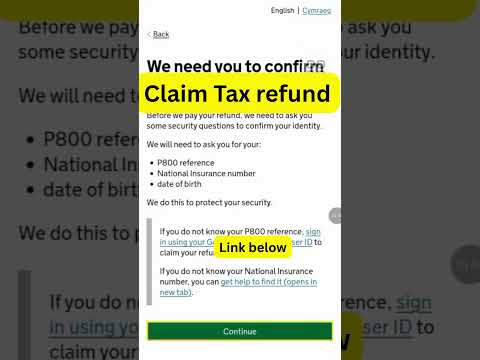
4. Claiming Online or by Post: If everything looks spot-on in your P800 and you’re ready to claim:
- If you want to claim online: Log into your Personal Tax Account. You can check all the details here and make the process smooth.
- If you prefer good ol’ snail mail: Write back to HMRC using the address on the P800, clearly stating you’re claiming a refund and include any necessary personal details they might need.
5. Time Frame: Once you’ve made the claim (either way), it generally takes about 4-6 weeks for the refund to land in your account if everything’s in order. But don’t panic if it takes longer; sometimes they just need more info.
6. Keep Records: Always save copies of any correspondence with HMRC—emails, letters—just in case there’s an issue later on! Keep ‘em safe like they’re gold because they can come in handy if questions pop up down the line.
Btw, I had this friend who got all flustered when he found out he had overpaid his taxes for two years straight! He thought he’d never see that money again! But once he dug into his P800s and followed these steps? He was chuffed when it finally came through!
If after all this you still feel stuck or something isn’t right with how they’re processing things? Don’t hesitate—give them a call or reach out via their contact page for some clarity.
So yeah, claiming back those pennies shouldn’t keep you up at night! You’ve got this!
Understanding the Legitimacy of P800 Refund Letters: Key Insights and Tips
It’s such a common situation—getting a P800 refund letter in the post, and you’re left scratching your head, wondering if it’s legit. P800 tax rebate letters are issued by HM Revenue and Customs (HMRC) to let you know if you’ve paid too much tax during the year. So, what do you need to know about these letters and how to respond? Let’s break it down.
First off, when you receive a P800 letter, it’s important to check the details. Look for your name, National Insurance number, and the tax year it refers to. If any of this info seems off, or doesn’t match up with your records, give HMRC a call. It’s always better to be safe than sorry—especially when it comes to money matters.
Now, let’s talk about the refund itself. The P800 letter will usually inform you how much tax has been overpaid and what your refund amount is going to be. Refunds can come in two ways: sometimes you’ll get a cheque in the post directly from HMRC or they might pay it straight into your bank account if they have your banking details on file. Just remember: no one should be asking for personal information like passwords or PINs—you don’t want to fall for scams.
It’s also worth noting that receiving this letter doesn’t guarantee you’ll get money back right away. There can be delays based on various factors like workload at HMRC or even issues with your bank details. If you’re waiting for your money and feel it’s taking too long, just reach out to them for an update.
When I think about P800 letters, I remember my mate Sarah from uni who once got one while working part-time at a cafe. She thought it looked sketchy until I explained it was all above board. She ended up getting quite a nice little sum back! And trust me, she needed that cash for her next trip.
Here are some key things to keep in mind:
- The P800 may come with additional instructions; read them carefully.
- If you think there’s been an error after checking everything thoroughly, consider appealing.
- Keep records! It’s good practice to file away any correspondence from HMRC.
In addition to that, double-check whether you’ve had multiple jobs in the last fiscal year—this often leads to overpaid taxes since each employer may not have full visibility of your other income streams.
So there you have it! Understanding your P800 refund letters can take some of that weight off your shoulders when you’re unsure about paperwork. Keep an eye on those details; make notes if necessary—and don’t hesitate to ask HMRC questions if something doesn’t sit right with you!
Navigating the P800 tax rebate process can feel a bit like trying to solve a puzzle without all the pieces. You know? Some folks get a surprise refund, while others are left scratching their heads, wondering what it’s all about.
So, picture this: you’ve just finished your annual tax return, and the numbers aren’t adding up quite right. Maybe you’ve overpaid during the year, and then bam! You get this P800 notification in the post saying that you’re owed money back from HMRC. Exciting, right? But wait—what exactly does that mean?
The P800 form usually arrives if you haven’t paid your taxes correctly throughout the year. It could be due to a change in job or perhaps a side hustle that didn’t quite take off. Anyway, HMRC uses this form to let you know whether you’re due a refund or if they think you’ve underpaid.
Now, if you’ve received a P800 telling you that you’re due some cash back, first things first—don’t panic! It’s pretty straightforward to claim your rebate. If everything checks out on the form, HMRC typically processes your refund automatically into your bank account. That’s nice and simple.
But here’s where things can get tricky: sometimes people disagree with what’s on that P800. Maybe they believe they’ve paid enough tax or want to contest an amount stated by HMRC. This is where it gets more complicated than just filling in some numbers on a form. You’ll need to contact HMRC directly and possibly provide documents proving your case.
I remember my friend Sarah went through something similar last year. She thought she was owed money back because her work situation changed halfway through the year. When she finally got her hands on her P800, it turned out she was entitled to a nice little sum but didn’t know how to navigate the process of claiming it back—talk about frustrating! But after some phone calls and digging around online for info, bingo! She got her refund—and with that money, she was able to treat herself to a much-needed holiday.
So basically, if you’re faced with a P800 notice yourself, don’t shy away from asking questions or seeking help if needed. Whether it’s chatting with friends who have been in similar situations or checking resources online—there’s plenty of support available out there for navigating this part of UK tax law.
In the end, dealing with tax matters might not be anyone’s idea of fun (understandably), but knowing how to tackle things when they get confusing will make life just a bit easier when those forms start arriving in your mailbox.


