
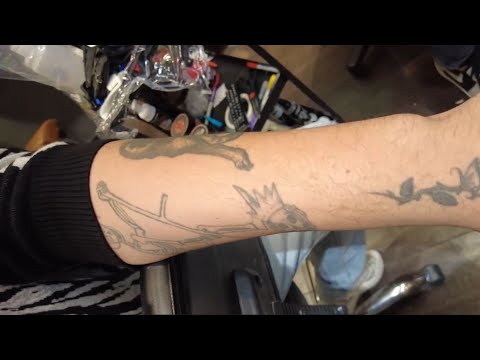
So, picture this: you’re at a fancy job interview, dressed to the nines, and just as you’re about to wow them with your killer skills, the interviewer gives your tattoo a side-eye. Ouch! Ever been there?
Tattoo discrimination in the workplace is like the elephant in the room. It’s kinda awkward, right? You’d think we’re past judging people for their ink, but nah.
The information on this site is provided for general informational and educational purposes only. It does not constitute legal advice and does not create a solicitor-client or barrister-client relationship. For specific legal guidance, you should consult with a qualified solicitor or barrister, or refer to official sources such as the UK Ministry of Justice. Use of this content is at your own risk. This website and its authors assume no responsibility or liability for any loss, damage, or consequences arising from the use or interpretation of the information provided, to the fullest extent permitted under UK law.
In the UK, this stuff can get pretty sticky when it comes to employment law. Some folks feel like they gotta hide their art just to fit in at work. And that’s not cool at all!
Let’s chat about what rights you have if you ever find yourself in that situation. Because everyone deserves a fair shot—even if they’ve got a little ink on their skin!
Understanding Tattoo Discrimination: Employer Policies and Rights in the UK
You know, tattoos have really evolved over the years. They used to be associated with rebelliousness or certain subcultures, but now they’re pretty mainstream! Still, some workplaces hold old-fashioned views about body art. So let’s chat about tattoo discrimination and what your rights are in the UK.
First off, employers can create policies about appearance. This includes tattoos. Some companies might ask you to cover up your tattoos or may even have strict rules against visible ink. It’s not illegal for them to have these policies, but they must apply them fairly and consistently.
Now, if an employer decides not to hire you because of your tattoos, that’s where things get a bit sticky. This could potentially fall under discrimination laws, especially if it affects a group of people sharing certain characteristics. For example, if a company only discriminates against employees with visible tattoos and that group happens to be predominantly made up of a certain race or gender, this could lead to legal trouble for the employer.
Let’s say you’ve got a beautiful tattoo that represents something important in your life—maybe it marks a significant event or honors someone special. If an employer unfairly judges you based on that ink alone, it just doesn’t feel right, does it? It can make you feel undervalued as an individual with unique experiences.
In the UK, we have laws like the Equality Act 2010 which protect against discrimination based on certain protected characteristics such as race, sex, age, or disability. But guess what? Tattoos themselves aren’t considered a protected characteristic under this act. So while your boss might be able to enforce their appearance policy legally, they still need to make sure they’re not applying it in a way that discriminates against others.
Here are some key points regarding tattoo discrimination:
If you ever find yourself feeling unfairly treated because of your tattoo in the workplace—whether you’re facing harassment or being passed over for promotions—it’s worth speaking up! You could reach out to your HR department or seek advice from places like ACAS (the Advisory, Conciliation and Arbitration Service).
You’re certainly not alone in this; many people share similar experiences regarding discrimination at work! The key is knowing your rights and standing firm when needed. That way, you can proudly show off who you are—ink and all!
Understanding Tattoo Laws in the UK: Regulations and Guidelines You Need to Know
Understanding tattoo laws in the UK can feel a bit confusing, especially when you throw employment rights into the mix. So let’s break it down, shall we?
First off, it’s important to mention that there are **no specific laws** in the UK that directly regulate tattoos themselves. But there are rules and guidelines surrounding **tattooing practices** and **discrimination**, especially in workplaces.
Now, if you’re thinking about getting a tattoo or showing off your ink at work, here’s what to keep in mind:
- Age Restrictions: In the UK, you can’t legally get a tattoo if you’re under 18. Tattoo artists must check your ID to make sure.
- Health and Safety: Tattoo parlours need to follow health regulations. This includes using sterile equipment and proper hygiene practices.
- Employment Policies: Many employers have their own dress codes which may include guidelines about visible tattoos. Look out for policies that could limit which tattoos you can show at work.
If you’re facing issues due to your tattoos at work—like being treated unfairly—this could lead into **tattoo discrimination**. You see, while UK law doesn’t specifically mention tattoos, it does protect against discrimination based on characteristics like race or gender under the Equality Act 2010. Though not explicitly covered, some argue that discrimination based on appearance could fall under broader protections.
An example: let’s say someone applies for a job and has visible tattoos. If they don’t get hired just because of those tattoos—while another candidate without ink gets the job—it raises eyebrows. Is this discriminatory? Potentially!
What happens is if you find yourself treated unfairly because of your inked skin, it’s worth speaking up or seeking legal advice. You might have a case under employment law if the treatment violates your rights.
But remember this; workplaces often want to maintain a certain image, so they might enforce strict dress codes—this is where things can get tricky.
So basically, while your right to get tattooed is pretty clear-cut in the UK, how your employer reacts to them can vary widely—from strict rules banning them completely to more relaxed policies that allow for self-expression.
And lastly, if you’re feeling insecure about expressing yourself through body art at work? You’re not alone! Many people navigate these waters every day—you just want to make sure whatever choices you make are informed ones!
Understanding Employer Rights and Employee Protections: Can Discrimination Against Tattoos Occur in the Workplace?
When you think about tattoos, you might picture a cool design that someone’s really proud of, right? But in the workplace, things can get a bit tricky with how employers and employees deal with them. So, let’s break down employer rights and employee protections in the context of tattoo discrimination.
First things first, an employer has the right to set dress codes or appearance standards. This includes rules about visible tattoos. But here’s the thing: they can’t just make these rules without good reason. Employers need to consider whether the dress code is reasonable and necessary for their business.
- Health and Safety: In some industries, like healthcare or food service, there might be legitimate health concerns about visible tattoos.
- Company Image: For certain businesses that pride themselves on a particular image or brand identity, they might feel that visible tattoos don’t align with that image.
You see, it’s a bit of a balancing act. Employers can establish standards, but they also need to ensure these don’t unfairly target specific groups of people based on characteristics tied to their culture or beliefs.
The law in the UK protects employees from discrimination under the Equality Act 2010. This law covers various protected characteristics like race, gender, and religion. But here’s where it gets interesting: tattoos themselves aren’t inherently protected traits unless they’re related to your identity in some way. For example, if someone has religious tattoos that are crucial to their identity and those are discriminated against at work, then we could be looking at potential legal trouble for the employer.
This was actually highlighted in a case where an employee was dismissed due to their face tattoo which had significant cultural meaning for them. The tribunal ruled in favor of the employee because it could be seen as indirect discrimination based on cultural belief.
- Treating Employees Fairly: Employers must not use generalizations about tattoos when hiring or promoting staff.
- Create Clear Policies: If they do have policies regarding appearance or tattoos, these should be communicated clearly and applied consistently across all staff members.
If you’re sitting here wondering if you can take action if you feel discriminated against due to your tattooed skin – yes! First off, try talking with your HR department or manager about your concerns. If things don’t improve? You might want to look into lodging a formal grievance or even taking it further through an employment tribunal. It’s all about ensuring everyone feels respected and valued at work!
Tattoo discrimination is not something many people think about until it happens to them (like my friend Sarah). She had this beautiful floral tattoo on her arm that was part of her identity. When she got turned down for a job because of it, she felt completely crushed. It opened her eyes not just to her own situation but to how prevalent this issue can be for others too.
If you’re navigating these waters either as an employee or employer—knowledge is key! Know your rights and responsibilities so you’re well-equipped if this kind of situation ever arises!
So, let’s chat about something that’s been buzzing around a lot lately—tattoos in the workplace. You know, it’s one of those topics that can get people all riled up. There was this story I heard about a young woman who was turned down for a job simply because she had visible tattoos. She was more than qualified but ended up feeling like she was judged on her appearance rather than her skills. It’s frustrating, right?
In the UK, employment law is pretty clear when it comes to discrimination—it’s not allowed. The Equality Act 2010 protects individuals from being treated unfairly based on certain characteristics, like age, gender, race, and even religion or belief. But here’s the kicker: tattoos aren’t specifically mentioned in that list. So what does that mean for someone like our friend who got passed over at work?
Well, while having tattoos isn’t a protected characteristic itself, if an employer’s policy against visible tattoos disproportionately impacts one group more than another—say, if it affects people from a particular cultural background—that could potentially breach equality laws.
Employers do have some leeway to set dress codes and grooming standards. They can say no to visible tattoos if they feel it impacts their brand image or customer relations—you see this often in industries like hospitality or finance where they want to maintain a certain image. But it gets murky because what if someone feels their tattoo is part of their identity? That’s where the conversation really heats up.
It’s really about finding a balance between maintaining professionalism and respecting an individual’s expression of themselves through art on their skin. Some companies are starting to rethink these policies as they realize that allowing employees to express themselves can lead to happier workplaces with more loyal staff.
So maybe instead of focusing solely on appearances, we should be pushing for discussions around inclusivity and acceptance in workplaces across the UK? After all, you don’t want your next potential rockstar employee to miss out just because of some ink! The future seems like it’s leaning towards a world where talent shines brighter than tattoos—here’s hoping we get there sooner rather than later!


