
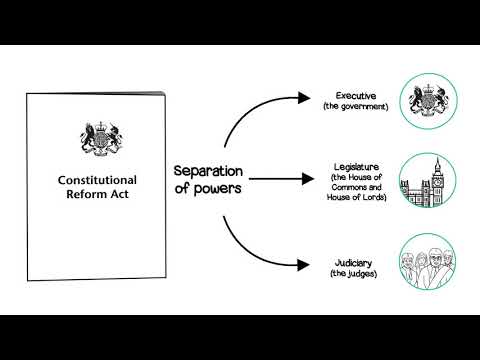
You know, I once read that the Supreme Court of the UK has been around for more than a decade now. Can you believe it? It seems like just yesterday we were all figuring out what it meant to have a new top court shaking things up!
Seriously, this place isn’t just some fancy courtroom in London. It’s where the big legal decisions happen, shaping our laws and rights in ways that affect everyday life.
The information on this site is provided for general informational and educational purposes only. It does not constitute legal advice and does not create a solicitor-client or barrister-client relationship. For specific legal guidance, you should consult with a qualified solicitor or barrister, or refer to official sources such as the UK Ministry of Justice. Use of this content is at your own risk. This website and its authors assume no responsibility or liability for any loss, damage, or consequences arising from the use or interpretation of the information provided, to the fullest extent permitted under UK law.
Imagine being part of a session where they’re deciding whether your neighbor’s loud music is actually a nuisance or if it’s just good taste… or lack thereof! Sounds intense, right?
So, let’s dive into how these sessions work and why they matter so much. You’ll see how they help mold the legal landscape in ways you might not expect. It’s pretty fascinating stuff!
Key Supreme Court Cases: When the UK Declared Laws Unconstitutional
The UK Supreme Court plays a crucial role in shaping law by interpreting the Constitution and, at times, declaring laws unconstitutional. When this happens, it can make waves throughout the legal landscape. Let’s take a closer look at some key cases that illustrate this point.
One landmark case is R (Miller) v Secretary of State for Exiting the European Union in 2017. Here, the Supreme Court ruled that Parliament must be involved in the Brexit process. The government couldn’t just trigger Article 50 without consulting MPs first. This decision emphasized Parliament’s power, which, you know, made politicians and citizens alike sit up and pay attention.
Then there’s R (Jackson) v Attorney General, a case from 2005 that tussled with the legality of the Hunting Act 2004. It questioned whether this act was passed legally through Parliament under the Parliament Acts. The court held it was valid, but it raised significant discussion about parliamentary sovereignty and how laws can be challenged.
In R (Factortame Ltd) v Secretary of State for Transport, decided in 1990, the court took it up a notch by declaring that UK courts must give effect to EU law over conflicting UK legislation. This was a game-changer regarding how UK courts had to treat parliamentary sovereignty versus EU obligations.
Another significant case is R v Secretary of State for Home Department (known as “the Belmarsh Case”) from 2004 where indefinite detention without trial of foreign nationals was found unlawful under human rights law. It highlighted how even national security measures can come under scrutiny when they conflict with individual rights.
It’s also worth mentioning Hill v Chief Constable of West Yorkshire. In this case, which dealt with negligence claims against police forces failing to prevent crimes, the court decided not to hold police liable for their operational decisions. This ruling shaped how we view public authorities’ responsibilities in negligence cases.
So basically, these cases show how powerful the Supreme Court is when it steps in to declare laws unconstitutional or clarify their application. They protect individual rights while ensuring that Parliament remains sovereign—it’s a delicate balance!
If you’re ever curious about any specific case or want to dig deeper into what implications these rulings bring for everyday life or future legislation, feel free to ask!
Understanding the Supreme Court’s Influence on National Law and Legal Frameworks
The Supreme Court of the United Kingdom plays a crucial role in shaping national law and legal frameworks. It’s the highest court in the land, meaning its decisions are final and must be followed by all lower courts. This power can have a huge impact on various aspects of UK life, from human rights to business regulations.
1. Interpretation of Law
The Supreme Court interprets laws passed by Parliament. This means that when there’s confusion about what a law really means, the Court steps in to clarify it. For example, there was a significant case regarding brexit, where the Court had to clarify whether Parliament needed to vote before triggering Article 50. Their ruling emphasized that parliamentary sovereignty is essential.
2. Setting Precedents
Every time the Supreme Court makes a decision, it sets a legal precedent. This basically means that lower courts must follow this ruling in similar cases. It’s like saying, “Hey, this is how we do things now!” So when the Supreme Court decides something important—like issues surrounding equality or freedom of speech—those rulings ripple through all levels of the judiciary.
3. Human Rights
The interaction between UK law and human rights is significant as well. The Supreme Court ensures that human rights laws are upheld even when they’re controversial. There’ve been cases where the Court had to weigh public safety against individual rights, often drawing media attention and public debate.
4. Constitutional Matters
Also, don’t forget about constitutional matters! The Supreme Court can address issues relating to devolution—the division of powers between England, Scotland, Wales, and Northern Ireland—and whether certain actions taken by those governments comply with UK law.
When people think about law being shaped at such high levels, it can feel pretty distant or complex—like it’s happening up there in some ivory tower somewhere far away from everyday life! But imagine for a second someone you’ve known having their case heard because it involved new interpretations or applications stemming from high-profile decisions made by this very court.
And let’s not gloss over how their sessions aren’t just legal formalities; they’re filled with debate and discussion among top legal minds in the country! Each session brings cases that often reflect societal changes or highlight areas where laws need to adapt or catch up with modern realities.
In short, the influence of the Supreme Court on national law isn’t just about black and white legal texts—it’s about real lives being affected every day by their decisions and interpretations!
Exploring the Role of the UK Supreme Court in Lawmaking: Authority and Implications
The UK Supreme Court plays a significant role in shaping the law. You might think of it as the final stop for legal decisions. But, what does this really mean? Well, let’s break it down!
First off, the Supreme Court has authority. It stands at the top of the judiciary system in the UK. That means its rulings are final and can’t be appealed. This gives it power over other courts – they have to follow the decisions made by this court. So, if a case comes up that affects laws or rights, and it’s heard by the Supreme Court, their decision can change everything.
Now, you might wonder how they actually make law. Unlike Parliament or legislatures, which create laws through legislation, the Supreme Court interprets existing laws and can set legal precedents.
Precedent is a fancy word for past decisions that guide future cases. For example, if the court decides on a case involving human rights and sets a clear interpretation of what those rights mean, other courts will follow that guidance in similar cases going forward.
Sometimes people get confused about whether they are making laws or just interpreting them. It’s a bit of both! Through their rulings, they can fill in gaps left by Parliament or even influence new legislation indirectly.
Take the case of R (on the application of Miller) v Secretary of State for Exiting the European Union, for instance. Here, the court ruled that Parliament must be involved in triggering Article 50 to leave the EU. The decision emphasized parliamentary sovereignty and highlighted how judicial authority interacts with political processes.
There’s also something called judicial activism. This happens when courts decide to make bold interpretations – sometimes stepping into areas previously left untouched by law-makers. Some folks argue this makes judges too powerful; others believe it’s essential for protecting rights.
But here’s a thing: while judges interpret and apply existing law based on precedents and principles, they’re also aware that they must reflect changes in society’s values and morals.
Additionally, when you think about implications, consider how a ruling might impact everyday lives! If there’s a landmark decision about workers’ rights or privacy concerns? That could set off ripples throughout various sectors—like employment practices or technology use.
In short:
- The Supreme Court holds ultimate authority over legal interpretations.
- It sets precedents, shaping future cases.
- Please note: It may influence new laws indirectly through its impactful rulings.
- The balance between judicial activism and restraint is continually debated.
- Decisions have real-life implications, affecting individual rights.
So when you hear about Supreme Court sessions, just remember: those sessions aren’t just routine ceremonies—they’re pivotal moments where justice intersects with society’s evolving needs! You see? It’s not all black-and-white; it gets pretty colorful when decisions are made!
The Supreme Court sessions in the UK are kind of like the grand finale of a legal performance. They’re where the most significant cases get their moment in the spotlight, and the judges’ decisions can really shape the law for years to come. Imagine setting up a big, complex puzzle; each case is like a piece that fits somewhere in that broader picture of justice.
I remember this one time my friend was telling me about how his life changed after a court ruling on employment rights. He’d been fighting for fair treatment at work, and when the Supreme Court ruled in favor of employees being treated equally, it felt like an enormous weight lifted off his shoulders. That’s what these sessions can do—they don’t just make legal history; they can change people’s lives.
What’s fascinating is how these sessions tackle issues that might seem distant or abstract until they hit close to home. One ruling might concern something like data privacy, which sounds all techy and corporate, but if you’ve ever had your personal information mishandled, you know it’s more than just legal jargon; it’s about your everyday life!
It’s also interesting to see how these judges weigh their decisions so carefully. They look at past cases and laws but also consider societal changes. The law isn’t static; it evolves with us, you know? When the judges take on cases, they’re not just interpreting rules—they’re engaging with real-world implications and ensuring that justice keeps pace with society.
And hey, let’s not forget about public interest! Sometimes those court sessions are packed with people eager to see justice unfold right before their eyes. It reminds us that we’re all part of this larger narrative, where every decision made echoes through time and shapes our understanding of rights and responsibilities.
So yeah, when we talk about Supreme Court sessions, it’s not just legal formalities or dusty books—it’s about real impact!


